


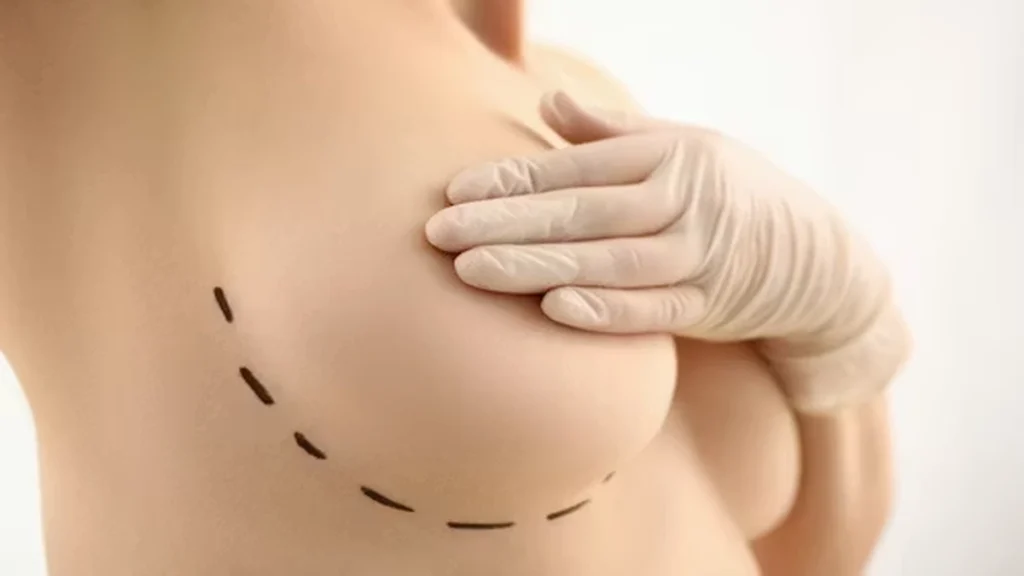
Breast reduction surgery is life-changing — but what happens in the weeks after the procedure matters just as much as the surgery itself. One of the most overlooked parts of recovery? The bra you wear while healing. Choosing the right breast reduction bra can directly influence how smoothly your recovery goes, yet most patients walk out of surgery with little guidance on what that actually means. The result is a lot of well-intentioned guesswork at exactly the wrong time.
Here are five things surgeons consistently wish their patients knew before recovery begins.
1. Your Regular Bra Is Not a Recovery Bra
This is the big one. No matter how supportive your everyday bra feels, it wasn’t designed for post-surgical tissue. Regular bras rely on pressure points — underwires, narrow straps, rigid bands — that become problematic when your body is healing. These pressure points can restrict circulation and interfere with your body’s natural recovery process at a time when that circulation is doing critical work. Post-surgical bras are engineered differently, with even, gentle compression and soft construction that works with healing tissue rather than against it. Making this swap before surgery — not after — means you’re ready the moment you need it most.
2. Front Closures Aren’t Just Convenient — They’re Essential
After breast reduction surgery, simple movements like reaching behind your back become surprisingly difficult. What feels like a minor inconvenience before surgery quickly becomes a daily frustration during recovery. Front-closing bras shift from a nice-to-have to an absolute necessity during early recovery. Beyond accessibility, front closures also allow for easier adjustment as your body changes in the first few weeks — and it will change. Swelling fluctuates, surgical sites shift, and your fit needs will look noticeably different from one week to the next. A front closure makes those daily adjustments manageable without straining healing tissues.
3. Compression Level Matters More Than Most People Realize
Not all compression is created equal. Too little and you’re not getting the therapeutic support your healing tissue needs. Too much and you risk restricting the very circulation that’s doing the healing work. It’s a narrow window, and getting it wrong in either direction has consequences. Most post-reduction patients need light to moderate compression, but the right level depends on your specific procedure and your surgeon’s recommendations. A well-designed breast reduction bra takes the guesswork out of this by providing calibrated, even compression across the entire treatment area — without the pressure points that regular bras introduce.
4. The Fabric Is Doing More Work Than You Think
The material your recovery bra is made from isn’t just a comfort consideration — it’s a medical one. Healing surgical sites are vulnerable to moisture buildup and infection, which means fabric that actively wicks moisture away from the skin isn’t optional, it’s essential. Antimicrobial properties add another layer of protection for sensitive post-surgical skin that’s more susceptible to irritation than usual. And breathability matters too — air circulation supports wound healing in ways that are easy to underestimate when you’re focused on fit and compression. Look for high-quality blends that balance all three: moisture management, antimicrobial protection, and breathability, without sacrificing the structural support your recovery depends on.
5. You’ll Need More Than One — and You’ll Need Them Sooner Than You Think
Most patients underestimate how many recovery bras they’ll go through. At minimum, you need two in rotation so you’re never without compression while one is being washed — and washing happens frequently when you’re wearing a bra around the clock for weeks at a time. Some patients cycle through two or three different sizes as swelling resolves and body contours settle over several months. Elastic fibers also degrade with regular washing, meaning bras lose their compression effectiveness over time. Planning ahead and having the right garments ready before surgery means one less thing to manage during recovery, when your energy is better spent healing.
The Bottom Line
Recovery from breast reduction surgery involves a lot of variables you can’t control. The bra you wear isn’t one of them. Understanding what makes a post-surgical compression bra different from what’s already in your drawer helps you make a decision that actively supports your healing — rather than one that just fills a gap.
For a deeper look at what to look for, what features matter most, and how to find the right fit for your specific recovery, comprehensive guides from specialists in post-surgical garments are worth bookmarking before your procedure date.
Click Here to Read More!