


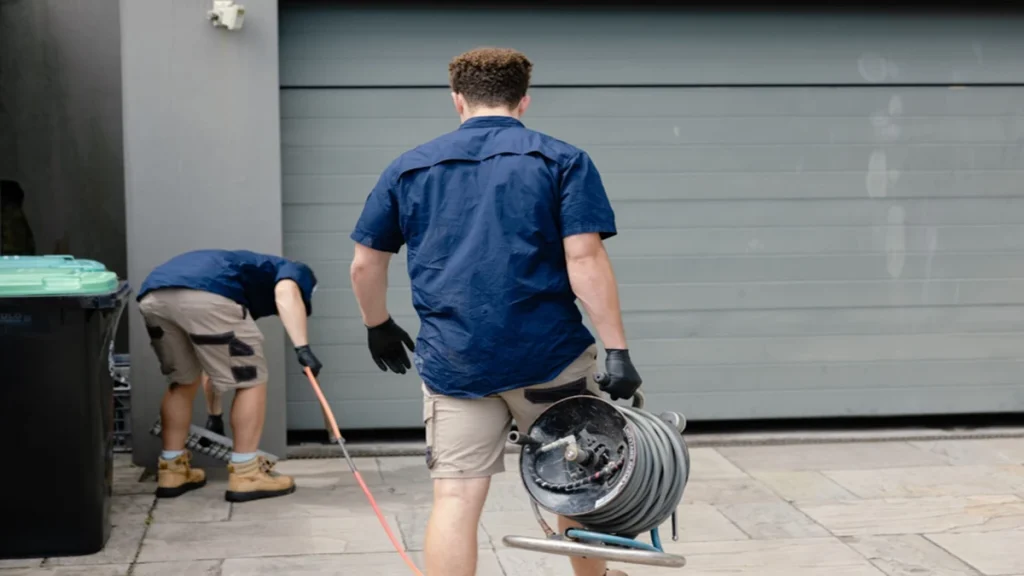
Blocked or damaged pipes are a common issue for residential, commercial and strata properties. Cracks, tree root intrusion and ageing pipe materials can all lead to recurring drainage problems if not addressed properly. Many property owners now look for reliable pipe relining solutions as an alternative to traditional pipe replacement because they offer an effective and less disruptive way to restore damaged pipes. Understanding how pipe relining works, where it is most effective and what to expect from the process can help you make informed decisions about your plumbing system.
Modern plumbing technology has evolved to allow internal pipe repairs with minimal impact on buildings, landscaping and everyday activities. Pipe relining is now widely used across Australia as a practical long term repair method.
Understanding Pipe Relining
Pipe relining is a trenchless plumbing repair method that restores pipes from the inside. Rather than removing damaged sections of pipe, a new liner is installed within the existing pipe structure.
The liner is coated with a specialised resin that hardens once in place. When cured, it creates a smooth, joint free internal pipe that seals cracks, reinforces weak areas and improves flow.
Because the original pipe remains underground, pipe relining avoids excavation and structural damage.
Why Pipes Deteriorate Over Time
Pipes are built to last, but they are constantly exposed to environmental and operational stress. Over time, this stress can compromise their integrity.
Common Causes of Pipe Damage
- Tree roots seeking moisture entering joints or cracks
- Ground movement due to soil expansion or contraction
- Ageing materials such as clay, cast iron or older PVC
- Corrosion from waste, chemicals or minerals
- Repeated blockages that increase internal pressure
Even minor cracks can worsen if ignored, leading to leaks, collapses or sewage backups.
How the Pipe Relining Process Works
Pipe relining follows a structured and carefully controlled process to ensure durability and accuracy.
The first step is a detailed CCTV camera inspection. This allows plumbers to identify the exact location, cause and extent of the damage. It also confirms whether the pipe is suitable for relining.
Next, the pipe is thoroughly cleaned using high pressure water jetting to remove debris, scale and roots. A clean surface is essential for the liner to bond properly.
Once prepared, a flexible liner soaked in resin is inserted into the pipe and positioned precisely. The liner is inflated to press against the pipe walls and left to cure. After curing, the liner hardens to form a strong, seamless internal pipe.
A final camera inspection confirms the repair quality.
Key Benefits of Pipe Relining
Pipe relining offers several advantages over traditional dig and replace methods.
Practical Advantages
- No digging through floors, walls or gardens
- Faster repair times compared to excavation
- Reduced labour and reinstatement costs
- Long lasting structural reinforcement
- Improved water flow and drainage performance
These benefits make relining an appealing option for many property owners seeking efficient repairs.
When Pipe Relining Is the Right Solution
Pipe relining is suitable for many types of damage, but it is not appropriate in every scenario.
Relining works well for pipes with cracks, fractures, corrosion and root intrusion. It can also strengthen pipes that are beginning to deteriorate but have not collapsed.
However, pipes that have completely collapsed, shifted out of alignment or lost significant sections may require replacement. A professional inspection is essential to determine suitability.
Pipe Relining for Residential Properties
Homeowners often choose pipe relining to avoid damage to their homes and outdoor areas. Pipes beneath slabs, driveways and landscaped gardens can be repaired without disruption.
This makes relining ideal for older homes where pipes are difficult or costly to access. Repairs are completed faster, allowing households to return to normal routines sooner.
Pipe Relining for Commercial and Strata Buildings
In commercial and strata environments, pipe relining helps minimise disruption to tenants, staff and customers. Repairs can often be completed without shutting down operations or accessing multiple units.
Strata properties benefit from reduced common area damage and quicker resolution of shared drainage issues. This helps maintain building functionality and resident satisfaction.
Longevity and Durability of Relined Pipes
Relined pipes are designed to last for decades when installed correctly. The materials used are resistant to corrosion, root penetration and chemical exposure.
The smooth internal surface reduces friction, which improves flow and lowers the risk of future blockages. This contributes to long term system reliability.
Many relining systems are engineered to meet or exceed the structural strength of the original pipe.
Maintenance After Pipe Relining
One of the advantages of pipe relining is reduced ongoing maintenance. Once repaired, pipes typically require minimal intervention.
Responsible usage helps extend performance. Avoid flushing inappropriate items and schedule occasional inspections to monitor system condition.
Preventative maintenance remains important for overall plumbing health, even after relining.
Environmental and Cost Considerations
Pipe relining is considered a more environmentally friendly repair option because it reduces excavation, waste and material use.
There is less disturbance to soil, vegetation and surrounding infrastructure. This makes it suitable for environmentally sensitive areas.
From a cost perspective, relining often proves more economical when restoration costs, labour and downtime are considered. While upfront costs may be similar in some cases, the reduced impact often results in overall savings.
Choosing the Right Plumbing Professional
Successful pipe relining relies on expertise, quality materials and accurate assessment. Experienced plumbers use advanced inspection tools, proven liners and correct curing techniques.
Choosing professionals with specific relining experience ensures the repair meets industry standards and delivers long term performance.
Clear communication, transparent recommendations and thorough inspections are key indicators of quality service.
Why Early Action Matters
Addressing pipe damage early helps prevent escalation. Small cracks can lead to significant failures if left untreated.
Early intervention with relining often avoids emergency repairs, property damage and higher costs. Proactive maintenance supports long term plumbing reliability.
Conclusion
Pipe relining offers a practical, modern solution for repairing damaged pipes without the disruption of excavation. By choosing reliable pipe relining solutions, property owners can restore their plumbing systems efficiently while protecting buildings, landscaping and daily routines.
With professional assessment and correct installation, pipe relining provides a durable, cost effective and minimally invasive option for maintaining healthy drainage systems. Whether for residential, commercial or strata properties, relining delivers long term value and peace of mind.