


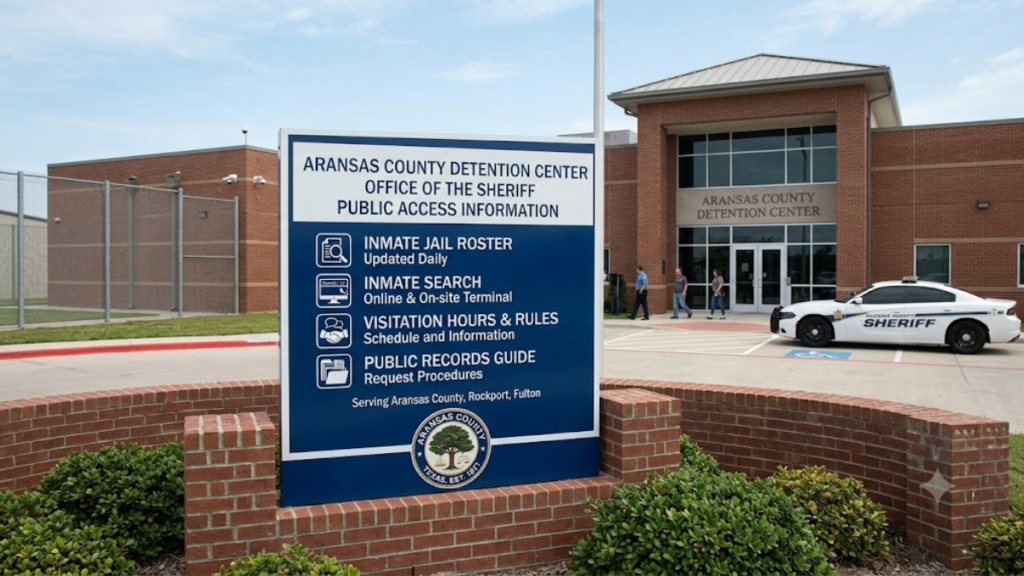
Aransas County inmates records and jail roster information are important public resources used by families, attorneys, journalists, and community members to locate individuals currently held in custody within the Aransas County detention system in Texas. The Aransas County Detention Center, located in Rockport, serves as the primary correctional facility for the county and processes individuals arrested by local law enforcement agencies. These records typically include inmate names, booking dates, charges, bond information, mugshots, and custody status.
In recent years, online inmate search systems have become increasingly accessible, allowing users to search jail rosters digitally rather than relying solely on phone inquiries or in-person requests. Public inmate databases are part of broader transparency initiatives that allow the public to access non-confidential criminal justice records. However, understanding how these systems work, what information is available, and how often they are updated is essential for obtaining accurate results.
Aransas County inmate searches are commonly used for several reasons. Families may want to confirm whether a relative has been booked into jail, attorneys may need booking details for legal preparation, and bail bond agencies often monitor rosters to identify recently arrested individuals. Researchers and media organizations may also analyze inmate demographics and incarceration trends to better understand local criminal justice patterns.
According to publicly available inmate and detention center resources, the Aransas County Detention Center manages inmate processing, visitation scheduling, medical support, and public inmate lookup functions. The jail primarily houses individuals awaiting trial, serving short-term sentences, or being temporarily detained before transfer to other facilities.
| Overview Category | Details |
|---|---|
| County | Aransas County, Texas |
| Main Facility | Aransas County Detention Center |
| Primary Location | Rockport, Texas |
| Main Function | Housing pretrial detainees and short-term inmates |
| Public Search Availability | Online inmate roster and lookup systems |
| Common Record Details | Charges, mugshots, booking dates, bond amounts |
| Contact Number | (361) 790-0168 |
| Typical Search Methods | Name search, booking number lookup |
Understanding the Aransas County Jail System
Structure of the Detention Center
The Aransas County Detention Center functions as the county’s central correctional facility and is managed by the sheriff’s department. The jail processes arrests from local law enforcement agencies operating within Aransas County, including municipal police departments and county deputies.
The facility is designed to hold inmates at varying security levels depending on charges, criminal history, and behavioral assessments. Most inmates housed in the detention center are awaiting court proceedings, though some may serve misdemeanor or short-term felony sentences. The facility also temporarily houses detainees pending transfer to state correctional institutions.
Public records indicate the detention center operates from facilities in Rockport, Texas, with administrative oversight provided by county detention officials.
Booking and Intake Procedures
When an individual is arrested in Aransas County, they are transported to the detention center for processing. The booking procedure generally includes fingerprinting, photographing, medical screening, warrant checks, and entry into the jail management system.
Booking records typically contain:
- Full legal name
- Arresting agency
- Criminal charges
- Booking date and time
- Bond information
- Mugshots
- Custody status
These details are often entered into digital inmate management systems that feed public inmate lookup tools. Depending on processing times and technical delays, records may appear online within hours of arrest or later the same day.
Inmate Population and Demographics
Publicly accessible inmate statistics indicate that Aransas County maintains a fluctuating inmate population influenced by arrests, court proceedings, and transfers. Jail population data often includes demographic breakdowns by gender, ethnicity, age groups, and offense classifications.
For example, publicly reported inmate data has shown:
- A majority male inmate population
- Significant numbers of misdemeanor and felony detainees
- High weekly turnover rates due to releases and new bookings
These trends reflect the operational realities of county detention systems, where inmate populations change frequently.
How to Search for Aransas County Inmates
Online Inmate Search Tools
The most common method for locating Aransas County inmates is through online inmate lookup systems. These databases allow users to search by:
- First name
- Last name
- Booking number
- Date of birth in some systems
Public inmate lookup tools typically display current inmates only, although some databases may archive recently released detainees for a limited period.
Users should understand that jail rosters update continuously, and custody status can change rapidly due to:
- Bond releases
- Court orders
- Transfers
- Dismissed charges
- Sentence completion
Information Available in Inmate Records
Aransas County inmate records may contain several categories of information depending on system policies and state regulations. Commonly available data includes:
- Booking photographs
- Criminal charges
- Bond amounts
- Court information
- Housing location
- Arrest date
- Custody classification
Some systems may also display previous arrests or sentencing details, although availability varies by jurisdiction and platform.
Limitations of Public Searches
Although online inmate databases improve accessibility, they are not always perfectly accurate or comprehensive. Several limitations exist:
- Delayed updates
- Misspelled names
- Temporary technical outages
- Restricted juvenile records
- Sealed or protected cases
Additionally, not all inmates appear immediately after arrest due to processing times or administrative review procedures.
Visitation and Communication Procedures
Visitation Policies
County jails generally maintain structured visitation schedules for inmates. Visitors are usually required to:
- Present government-issued identification
- Schedule visits in advance
- Follow dress codes
- Comply with security screening procedures
Visitation policies can change based on staffing, security conditions, or operational needs. Some facilities may offer video visitation systems in addition to in-person visits.
Mail and Communication Systems
Inmates housed at the Aransas County Detention Center can typically receive mail under strict screening policies. Approved correspondence generally includes:
- Letters
- Legal mail
- Approved publications
- Certain photographs
Facilities often prohibit contraband, unauthorized items, or materials that threaten jail security.
Phone communication is usually handled through contracted inmate phone providers, with calls monitored except for protected attorney-client communications.
Commissary and Financial Support
Families can often deposit funds into inmate commissary accounts, allowing detainees to purchase approved items such as:
- Snacks
- Hygiene products
- Writing supplies
- Basic clothing items
Commissary services help inmates obtain supplemental necessities beyond standard jail-issued materials.
Legal and Public Records Considerations
Public Record Transparency
Texas public records laws generally allow public access to inmate and booking information unless records are legally restricted. This transparency supports:
- Government accountability
- Public safety awareness
- Legal system monitoring
However, public access does not imply guilt. Arrest records only indicate that an individual has been detained or charged, not convicted.
Mugshots and Privacy Concerns
The publication of mugshots remains controversial. Critics argue that widespread online distribution can harm employment opportunities and reputations, especially for individuals whose charges are dismissed or reduced.
At the same time, law enforcement agencies maintain that public booking records serve legitimate transparency and identification purposes.
Bail Bond and Legal Assistance
Bond amounts are often displayed in inmate records, allowing families or bail bond companies to determine release eligibility. Inmates may secure release through:
- Cash bonds
- Surety bonds
- Personal recognizance bonds
- Court-approved release programs
Legal representation remains essential for navigating criminal proceedings and protecting constitutional rights.
Challenges Facing County Jail Systems
Overcrowding and Resource Limitations
Like many county detention systems across Texas, facilities such as the Aransas County Detention Center may face operational challenges including:
- Limited staffing
- Rising inmate populations
- Healthcare demands
- Infrastructure maintenance
These pressures can affect inmate services, visitation scheduling, and facility operations.
Mental Health and Medical Care
Modern detention facilities increasingly address mental health and substance abuse concerns among inmates. Public resources indicate that inmate support services may include:
- Medical evaluations
- Prescription medication management
- Counseling programs
- Substance abuse treatment support
Mental health management remains one of the most significant challenges in county corrections nationwide.
Technology and Digital Modernization
County jail systems continue transitioning toward digital management systems for:
- Online inmate searches
- Electronic records
- Video visitation
- Automated scheduling
These improvements increase accessibility while reducing administrative burdens on detention staff.
Conclusion
Aransas County inmate records and jail roster systems provide an important public resource for accessing custody information, booking records, and detention center procedures in Rockport, Texas. Through digital inmate lookup systems, families, attorneys, and community members can locate inmates, review charges, confirm bond information, and better understand detention processes.
The Aransas County Detention Center serves a critical role in the local criminal justice system by housing pretrial detainees, managing inmate services, and supporting public safety operations. While online inmate databases have improved accessibility and transparency, users should recognize their limitations, including update delays and incomplete records.
As detention systems continue evolving through technology modernization, public access tools are likely to become more sophisticated, providing faster updates, enhanced communication options, and improved administrative efficiency. At the same time, ongoing discussions surrounding privacy, inmate rights, and ethical publication of booking information will continue shaping how public jail records are managed in the future.
FAQs
FAQ 1: How can I search for Aransas County inmates online?
You can search for Aransas County inmates using online jail roster and inmate lookup systems. Most searches require the inmate’s first and last name, though some systems also support booking number searches. Results may include charges, mugshots, booking dates, and bond information.
FAQ 2: Where is the Aransas County Detention Center located?
The Aransas County Detention Center is located in Rockport, Texas. Publicly listed addresses include facilities on Highway 35 North and East Concho Street, with the detention center managed by the Aransas County Sheriff’s Office.
FAQ 3: What information appears on an inmate roster?
An inmate roster commonly includes the inmate’s name, booking date, charges, bond amount, mugshot, custody status, and court-related information. Some records may also include demographic or housing details.
FAQ 4: Can inmates receive visitors and phone calls?
Yes, inmates can generally receive scheduled visitors and phone calls under jail regulations. Visitors usually need valid identification and must follow facility rules regarding scheduling, dress codes, and security screening.
FAQ 5: Are Aransas County inmate records public?
Yes, many inmate and booking records are public under Texas public records laws. However, some information may be restricted for juveniles, sealed cases, or legally protected records. Public access policies can vary depending on the nature of the case and applicable laws.