


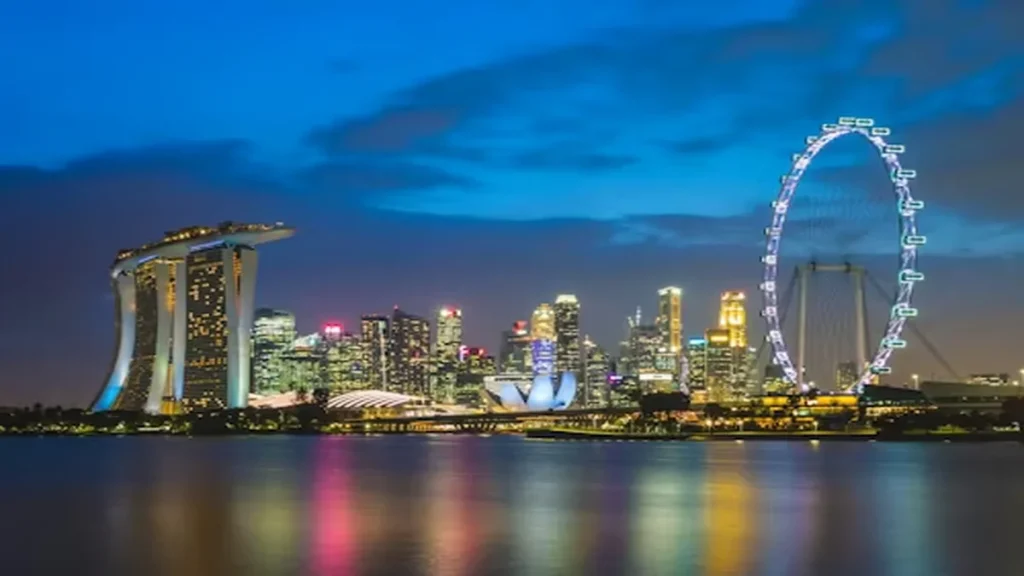
Singapore offers a clear mix of tradition and modern development. Local hawker centres represent the city’s food culture, while its skyline reflects advanced urban planning and technology. Singapore tour packages are designed to cover both sides of the destination in a well-structured way. They help travellers understand the city’s culture, visit major attractions, and experience modern lifestyle hubs without complexity.
This blog outlines how Singapore tour packages are structured, the experiences they include, and how travellers move from hawker centres to modern city zones within one itinerary.
Know Singapore’s Cultural Roots Through Hawker Centres
Hawker centres are a simple way to understand daily life in Singapore. They bring together food, community routines, and shared public spaces in a way that feels genuine and easy to experience during a tour.
What Makes Hawker Culture Special
Hawker centres are organised, lively, and built for everyday dining. They also reflect how different communities have lived side by side for decades.
- Shared seating that keeps the atmosphere social and fast-moving
- A wide mix of food traditions shaped by regional migration
- Quick service that suits tight sightseeing schedules
- Clear stall layouts that make ordering more straightforward
- Public dining habits, such as queueing and peak-hour dining norms
Popular Hawker Experiences Included in Singapore Tour Packages
Most itineraries include hawker time in a planned way, so it fits smoothly between attractions. This helps travellers enjoy local food without slowing the day down.
- Set lunch or dinner stops near major sightseeing zones
- Support for common dietary preferences and ingredient awareness
- Time slots chosen to avoid the busiest rush periods
- Simple tips on dining norms, such as tray return and seating habits
Colonial Heritage and Ethnic Neighbourhoods
Singapore’s heritage areas show how trade, administration, and migration shaped the city. They are usually planned as walking routes because the details are best understood at street level.
Walking Through Singapore’s Past
Heritage walks focus on conserved streets where older buildings still define the view. Shophouses, city halls, old buildings, public memorials, and other official landmarks often sit close together, making them suitable for a half-day plan. Guides usually explain how different communities settled, worked, and built local institutions, while the route highlights architecture that blends European planning with regional design features.
Heritage Stops Often Covered in Tour Itineraries
Many Singapore tour packages include a mix of civic landmarks and culturally linked areas to keep heritage touring balanced. The usual pattern is a short photo stop at a historic building or riverfront zone, followed by a longer walk through conserved streets. Time is often built in for observing facades, courtyards, and local shops, because these small details help explain how communities lived and traded.
The Rise of the High-Tech Skyline
Singapore’s skyline is part of its modern identity, with planned business zones, waterfront design, and strong public spaces. Modern sightseeing is often placed later in the day, so lighting and views feel more dramatic and comfortable.
Singapore as a Global Innovation Hub
Innovation is usually explained through what visitors can directly observe rather than technical details. Tours often point to transport efficiency, pedestrian-friendly planning, and how eco-friendly features are built into compact city spaces.
Public spaces are typically clean, well-managed, and easy to navigate, which supports a smooth touring rhythm for families and first-time international travellers. This approach also helps travellers understand the city’s modern reputation through real features seen on the ground.
Iconic Modern Landmarks in Singapore Tour Packages
Many itineraries focus on the Marina Bay skyline as a key symbol of modern Singapore, with planned time for views and photos. Gardens by the Bay is often included for its mix of landscaped spaces and technology-led displays. Packages may also add river cruises or night skyline tours, which are especially popular for photographers and first-time visitors.
Experiencing Singapore Evening Views and Comfortable Weather
Night touring is usually designed to show a different side of the city, with illuminated waterfronts, calmer temperatures, and a stronger focus on views. Plans often include a scenic walk, a viewpoint stop, and an easy dining window that does not interrupt the next day’s schedule. This timing works well for many travellers managing early starts, especially when the overall trip is short.
Sentosa Island: Entertainment Meets Innovation
Sentosa is often treated as a dedicated leisure destination within the itinerary. It brings together attractions, beach zones, and scenic areas, while keeping travel between points relatively manageable.
Why Sentosa Is a Core Part of Most Packages
Sentosa is included because it adds variety and suits mixed groups. It also helps balance cultural touring with lighter experiences.
- A clear change of pace from city touring
- Flexible timing, from relaxed walks to activity-led plans
- A compact layout that reduces long internal travel
- Family-friendly spaces that work across age groups
- Scenic zones that support photos and short breaks
- Plenty of covered areas that help during hot afternoons
Common Sentosa Attractions Included
In many Singapore tour packages, Sentosa is scheduled with a set of headline stops plus free time. This structure helps travellers cover key areas while still moving at a comfortable pace.
- Scenic transport options that provide elevated views
- Beach areas planned for short walks and downtime
- Viewpoints that work well for sunset timing
- Short nature paths or green zones for a slower pace
Shopping, Lifestyle, and Urban Experiences
Shopping is usually planned as a focused window rather than being spread across every day. For travellers from India, this format often works well because it supports last-minute buying while keeping the trip scheduled. A well-planned route also reduces tiredness by placing shopping close to central transport links and other evening activities.
Conclusion
Singapore itineraries feel strongest when they balance everyday culture with modern city design. Hawker centres show local routines, heritage sites explain the city’s layered history, and skyline touring highlights contemporary planning and architecture. Night experiences add a visual shift, while Sentosa provides a lighter day that suits families and mixed interests. When these elements are sequenced with sensible travel times and rest breaks, the trip can feel full and varied without feeling overloaded.