


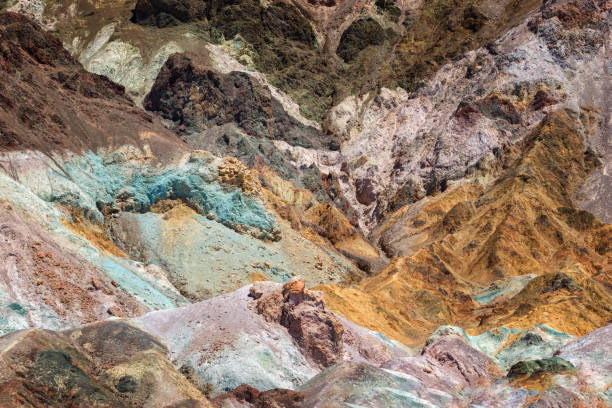
Hochre, often referred to as ochre in various regions, is one of the oldest naturally occurring pigments known to humanity. Its earthy tones, ranging from yellow to deep red, have been celebrated for thousands of years. From prehistoric cave paintings to modern artistic expressions and industrial applications, Hochre has maintained a unique place in both human culture and technology. Understanding this pigment offers insight not only into art history but also into geology, chemistry, and the ways natural resources continue to shape human creativity.
Unlike synthetic pigments, Hochre derives its color from natural iron oxides and other mineral compounds found in soil and rocks. Its stability, non-toxicity, and wide range of hues make it a versatile medium for painters, decorators, and industrial users alike. This article explores Hochre’s historical significance, chemical composition, artistic applications, industrial uses, and cultural impact in a detailed and structured manner.
Historical Significance of Hochre
Prehistoric Art and Early Uses
Hochre has been traced back to prehistoric times, with evidence found in some of the earliest known human art. Cave paintings in Lascaux, France, and Altamira, Spain, prominently feature ochre-based pigments, showcasing early humans’ fascination with earthy reds and yellows. These pigments were not only used for artistic expression but also for ritualistic and symbolic purposes, suggesting that Hochre played a role in the spiritual and cultural life of ancient societies.
Archaeologists have discovered that early humans used Hochre for body decoration, burial rites, and even as a form of sunscreen. Its availability in nature made it an essential resource, connecting art, symbolism, and daily life in prehistoric communities.
Hochre in Ancient Civilizations
The pigment continued to hold importance through the ages. Ancient Egyptians employed red and yellow ochres in tomb paintings and temple murals. Similarly, Roman and Greek artists used Hochre for frescoes and pottery decoration. Beyond aesthetics, Hochre symbolized various cultural meanings: red often represented vitality or protection, while yellow symbolized divinity or life.
The pigment’s stability and longevity contributed to the survival of countless historical artworks. Unlike organic dyes, which fade over time, Hochre maintains its color for millennia, allowing modern viewers to glimpse the vibrancy of ancient artistic practices.
Chemical Composition and Properties of Hochre
Mineral Basis
Hochre derives its color primarily from iron oxides, which naturally occur in clay and soil. The chemical composition can vary, but typical components include:
| Component | Chemical Formula | Color Contribution | Typical Concentration |
|---|---|---|---|
| Hematite | Fe₂O₃ | Red | 30–70% |
| Goethite | FeO(OH) | Yellow-brown | 10–40% |
| Clay | SiO₂·Al₂O₃·H₂O | Texture/opacity | 10–30% |
| Other minerals | Various | Variations | 0–5% |
The varying ratios of these minerals create a wide spectrum of hues, from pale yellow to deep maroon. This diversity makes Hochre particularly useful for artists seeking natural, earthy tones.
Physical and Chemical Properties
- Non-toxic: Safe for both humans and animals.
- Lightfast: Resistant to fading under sunlight.
- Stable: Chemically inert in most environmental conditions.
- Versatile: Can be mixed with oils, water, or binders for different mediums.
Hochre’s physical and chemical stability has contributed to its longstanding presence in human culture and continues to make it attractive in modern applications.
Artistic Applications of Hochre
Painting and Frescoes
Hochre remains a popular choice for traditional painters, especially those working with natural pigments. It is often used in:
- Oil painting: Provides rich, earthy tones.
- Watercolor: Produces soft, muted shades suitable for landscapes.
- Frescoes: Ideal for wall paintings due to its durability and resistance to fading.
Artists appreciate Hochre not only for its color but also for the texture it provides. Its slightly granular consistency allows for layering and mixing, producing depth and natural variation.
Decorative Arts
In addition to painting, Hochre is used in:
- Pottery and ceramics: For natural glazes and surface decoration.
- Interior decoration: As a pigment in natural plasters, wall paints, and pigments for sustainable construction.
- Textile dyeing: Historically used to impart warm tones to fabrics.
The natural origin of Hochre appeals to modern eco-conscious artists and designers who prefer materials that are safe, sustainable, and biodegradable.
Industrial Applications of Hochre
Beyond the artistic realm, Hochre has found uses in multiple industries due to its chemical stability and pigmenting power.
Construction and Architecture
Hochre pigments are incorporated into:
- Cement and concrete: Adds aesthetic warmth to buildings.
- Roofing tiles and bricks: Provides earthy reds and yellows.
- Plasters and mortars: Natural coloring without synthetic additives.
Its non-toxic nature makes it ideal for both residential and public buildings, particularly in eco-friendly construction projects.
Manufacturing and Coatings
- Paints and coatings: Hochre provides natural color alternatives to synthetic pigments.
- Plastic coloring: Used for biodegradable or eco-friendly polymers.
- Rubber and ceramics: Ensures stable and enduring coloration.
Scientific and Cultural Research
In archaeology and geology, Hochre analysis can reveal information about soil composition, mineral deposits, and ancient human activity. Its preservation in ancient artifacts allows researchers to reconstruct historical pigment preparation techniques and understand cultural symbolism.
Modern Trends and Sustainability
Eco-friendly Art and Design
Modern interest in natural pigments has revived the use of Hochre. Artists, designers, and architects increasingly prefer Hochre for its environmental friendliness, non-toxicity, and historical authenticity.
Industrial Sustainability
As industries seek alternatives to chemical pigments, Hochre offers a renewable and low-impact solution. It reduces reliance on synthetic dyes, which can be harmful to the environment and human health.
Market and Availability
Today, Hochre is commercially available in powder, liquid, or paste forms, catering to artists, craftsmen, and industrial users alike. Suppliers often certify natural sourcing and mineral composition, ensuring consistent quality.
Comparative Table: Hochre vs. Synthetic Pigments
| Feature | Hochre (Natural) | Synthetic Pigments |
|---|---|---|
| Color Stability | High | Varies |
| Toxicity | Non-toxic | Often toxic |
| Environmental Impact | Low | High |
| Cost | Moderate | Low–Moderate |
| Historical Significance | Very High | Low |
This comparison highlights why Hochre remains relevant in both art and industry despite the prevalence of synthetic alternatives.
Cultural Significance
Hochre has been more than just a pigment; it embodies cultural and spiritual expression. From the earliest cave paintings to ceremonial uses in African and Aboriginal cultures, Hochre symbolizes:
- Life, vitality, and fertility (red ochre).
- Purity and divinity (yellow ochre).
- Connection to the Earth and natural resources.
Even today, festivals, rituals, and traditional practices often incorporate Hochre, preserving an ancient link between humans and natural pigments.
Challenges and Limitations
While Hochre is versatile, there are certain limitations:
- Color Range: Limited compared to synthetic pigments; cannot achieve bright or neon colors.
- Consistency: Natural variations in mineral composition can affect color uniformity.
- Availability: High-quality sources are region-specific and sometimes limited.
Despite these challenges, Hochre’s benefits, especially in sustainability and cultural significance, outweigh its drawbacks.
Conclusion
Hochre stands as a testament to humanity’s enduring relationship with the Earth. Its historical, artistic, industrial, and cultural significance is unmatched among natural pigments. From prehistoric cave art to modern eco-friendly design, Hochre continues to influence art, science, and industry. Its stability, safety, and versatility ensure that Hochre remains relevant, connecting ancient traditions with contemporary practices in a uniquely natural way.
The continued appreciation of Hochre reflects not only a preference for aesthetic beauty but also an acknowledgment of sustainable and responsible use of natural resources—a value that remains as vital today as it was thousands of years ago.
Frequently Asked Questions (FAQs)
1. What is Hochre?
Hochre is a naturally occurring pigment derived from iron oxides, typically found in soil and clay, producing earthy red, yellow, and brown tones.
2. How is Hochre used in art?
Artists use Hochres in painting, frescoes, pottery, and decorative arts for its stability, natural hues, and texture.
3. Is Hochre safe for humans and the environment?
Yes, Hochress is non-toxic, biodegradable, and eco-friendly, making it safe for both human use and environmental applications.
4. Can Hochre be used in modern industry?
Absolutely. Hochres is applied in paints, coatings, plastics, construction materials, and ceramics due to its stability and natural coloration.
5. How does Hochre compare to synthetic pigments?
Unlike synthetic pigments, Hochres is non-toxic, historically significant, environmentally friendly, and highly stable but offers a limited color range.