


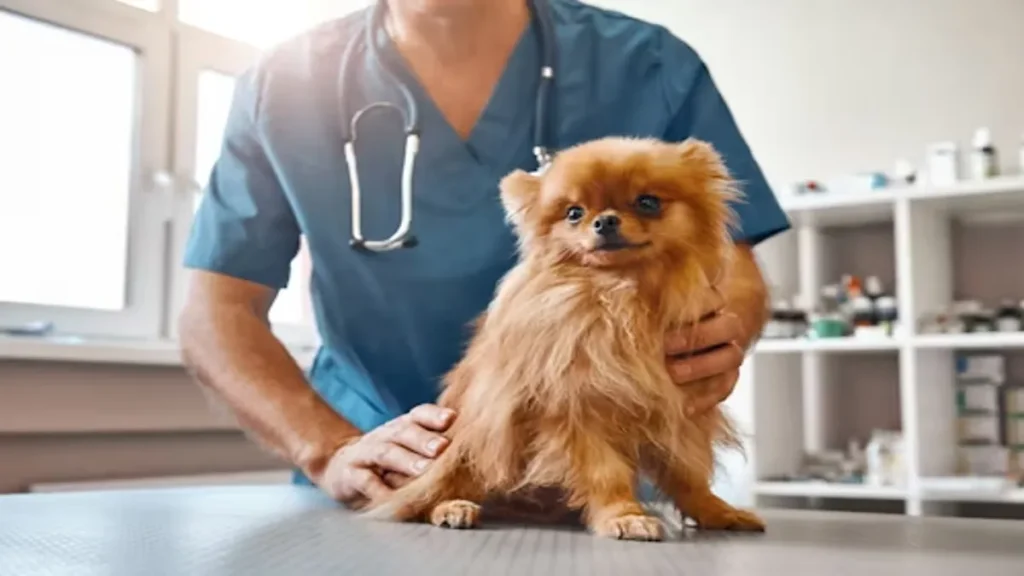
When your pet lives with a long-term condition, every small change can feel like a crisis. You watch closely, you plan ahead, yet sudden flares still happen at night, on weekends, or on holidays. Urgent care steps in during those tense moments. It gives you fast support when your regular clinic is closed or fully booked. A veterinarian in Willow Grove can check breathing trouble, seizures, pain, or sudden weakness before they grow worse. Urgent care teams read past records, adjust medicine, and treat flare-ups so you can avoid long, traumatic hospital stays. They also explain what to watch for at home and when to act. You gain clear steps. Your pet gains steady care. Together, urgent care and your regular vet form one safety net that protects your pet’s comfort and your peace of mind.
Why chronic conditions need quick support
Chronic conditions place a steady strain on your pet’s body. Heart disease, kidney disease, diabetes, arthritis, allergies, or long-term breathing trouble can shift without warning. A small change in eating, drinking, or breathing can mark a serious turn. Quick action often keeps a short flare from turning into a life-threatening crisis.
According to the U.S. Food and Drug Administration, changes in medicine use, dose, or timing can quickly affect a pet’s health. Chronic care leaves very little room for error. Urgent care fills that gap when something feels off, and you cannot wait.
How urgent care works with your regular vet
Urgent care is not a full replacement for regular visits. It supports them. You use each for a clear purpose.
| Type of visit | When you use it | What you can expect |
|---|---|---|
| Regular vet visit | Planned checkups, vaccine visits, routine blood work, long-term care talks | Review of history, long-term plan, refills, diet, and lifestyle guidance |
| Urgent care visit | Sudden change in breathing, pain, behavior, eating, or bathroom use | Fast check, short tests, treatment for the current flare, advice on next steps |
| Emergency hospital | Collapse, trauma, uncontrolled bleeding, severe breathing trouble, active seizures | Intensive care, surgery, full day or overnight stays |
This shared approach keeps your pet supported at three levels. Regular care sets the plan. Urgent care handles sudden spikes. Emergency care handles life-threatening events.
Common chronic conditions that benefit from urgent care
Many long-term problems need urgent checks at times. Some of the most common include:
- Heart disease with new coughing, fainting, or tiring
- Kidney or liver disease with new vomiting or not drinking
- Diabetes with sudden weakness, shaking, or confusion
- Arthritis with sudden refusal to stand, walk, or use stairs
- Chronic lung disease with faster breathing or open mouth breathing
- Seizure disorders with a new seizure pattern
- Severe allergies with swelling or hives
Each of these can shift from mild to severe in a short time. A fast exam and simple test can show if you can watch at home or if you need more care right away.
What urgent care can do during a flare
Urgent care teams focus on three main steps.
- Stabilize your pet and ease pain or distress
- Run focused tests that answer clear questions
- Adjust the plan for the next day or two
That often includes:
- Physical exam and listening to the heart and lungs
- Blood sugar check for pets with diabetes
- Basic blood work for kidney or liver concerns
- X X-raysfor breathing or heart concerns
- Fast medicine changes for seizures or pain
These steps buy time. They help your pet feel steady and safe until your regular vet can review the longer plan.
Signs that mean you should use urgent care
You know your pet’s normal routine. When something shifts, trust that sense. Use urgent care when you notice three kinds of changes.
- Breathing changes. Faster breathing, noisy breathing, or open mouth breathing in cats
- Behavior changes. Sudden hiding, restlessness, confusion, or crying
- Body changes. Refusal to eat, repeated vomiting, sudden swelling, or trouble walking
The Centers for Disease Control and Prevention reminds pet owners that sudden illness in pets can also affect human health in some cases. Quick checks protect your whole household.
How urgent care protects pets with chronic pain
Pets with arthritis or past injuries often hide pain. You may only see small hints. A limp that lasts longer than a day. A stiff rise from the bed. A growl when touched. Urgent care can:
- Check joints and spine for new strain
- Give short term pain relief
- Adjust doses of long-term pain medicine
- Teach you safe home steps like rest and simple comfort aids
Quick pain control stops a spiral. When pain rises, pets eat less, move less, and grow weaker. Early help keeps daily life steady.
Planning ahead with a chronic care safety kit
Preparation lowers panic. You can build a simple plan with three parts.
- A written summary of your pet’s diagnosis, current medicines, and dose schedule
- A list of local urgent care and 24-hour hospitals with phone numbers
- Clear rules from your regular vet on when to seek urgent care
Keep copies on your phone and on your fridge. Share them with family. This way, any adult in your home can act fast if you are not there.
Working as a team for long-term comfort
Chronic illness can leave you tired, worried, and unsure. You do not have to carry that alone. Your regular vet knows your pet’s story. Urgent care steps in during sudden changes. Emergency teams stand ready for the worst days.
You stand at the center of this circle. You watch. You notice. You speak up when something feels wrong. With that early warning, urgent care can act quickly. Your pet stays safer. You can rest with fewer what if thoughts at night.