


Every generation of leaders faces a defining shift. For today’s leaders, that shift is the rise of “many minds” working together — analytical minds, creative minds, neurodivergent minds, and minds shaped by different cultures, geographies, and experiences.
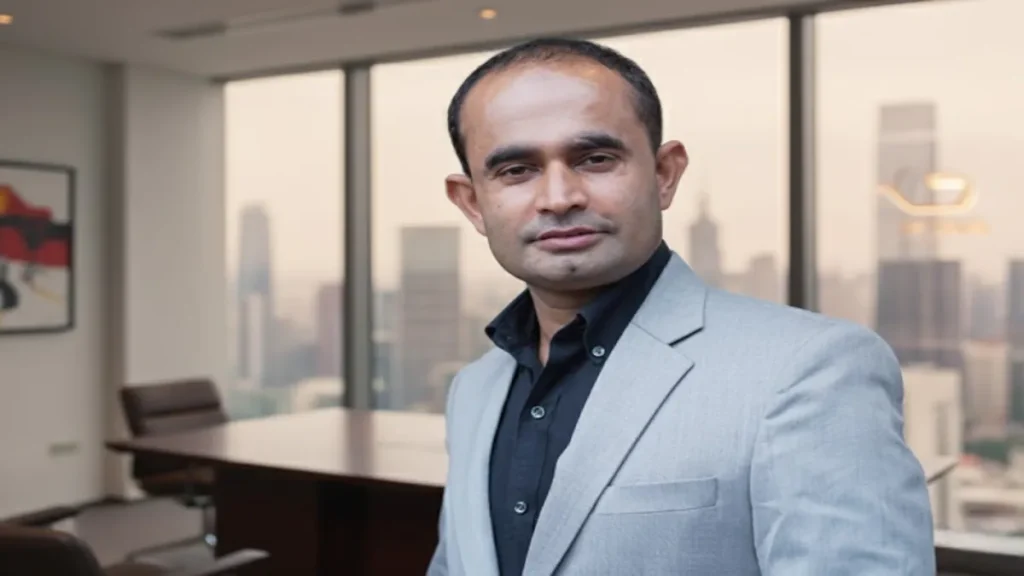
For Sabeer Nelli, CEO of Zil Money, this is not a theoretical concept. It’s the foundation of how he built a fintech platform used by over a million businesses and scaled it from a small idea in Tyler Petroleum to a global payments ecosystem.
As the workforce becomes more cognitively diverse, leaders are realizing that innovation doesn’t come from one type of mind — it comes from many. And the leaders who learn to embrace this diversity will define the next decade of business growth.
Understanding Cognitive Diversity and Its Business Value
Cognitive diversity refers to differences in how people think, learn, problem-solve, and make sense of the world. From a business standpoint, these differences aren’t obstacles. They are multipliers.
Teams built with varied thinking styles generate more ideas, spot risks earlier, and create stronger systems. In a fintech environment — where compliance, creativity, security, and user experience intersect — this diversity becomes a competitive edge.
Sabeer’s journey reflects this philosophy. In building Zil Money, he prioritized hiring people who approached problems differently — data-oriented engineers, UX-centric designers, operational thinkers, and pattern-spotting analysts. The outcome is a platform that solves real SMB frustrations because it was shaped by diverse minds solving diverse problems.
The message from Sabeer is clear: differences aren’t liabilities. They’re strategic assets.
Practical Ways to Lead Neurodiverse Teams
Sabeer’s leadership model centers on removing friction so people can contribute in ways that align with how their minds work. A few practices stand out in his approach:
Flexible communication rhythms: Some team members thrive with structured documentation; others do better with short verbal updates. Allowing both reduces misunderstandings and increases clarity.
Adaptive collaboration: Instead of forcing one collaborative style, Sabeer encourages leaders to allow varied work modes — whiteboarding, asynchronous ideation, rapid prototyping, or quiet solo problem-solving.
Clear expectations paired with autonomy: Rather than micromanagement, teams at Zil Money receive clarity on goals while retaining freedom in how they get there.
Environment that supports focus: This includes predictable workflows, reduced context-switching, and meeting formats that work for both extroverted and introverted thinkers.
These practices create rooms where different types of minds thrive — boosting productivity, psychological comfort, and creative output.
Cultivating a Culture of Curiosity and Psychological Safety
Innovation requires people to speak up, question the assumed, and explore ideas without fear of judgment.
Sabeer emphasizes curiosity as a leadership behavior — not just a team expectation. When leaders demonstrate openness, ask honest questions, and show they don’t have all the answers, teams feel safer contributing their own perspectives.
This environment becomes vital in fast-moving sectors like fintech, where regulations evolve, fraud risks shift, and customer needs change quickly. Teams must feel free to propose new approaches, challenge outdated processes, and admit gaps in understanding.
Sabeer models this by encouraging “learning conversations” rather than “evaluation conversations.” Instead of spotlighting mistakes, he shifts focus toward the learning that came from them. This subtle cultural decision strengthens resilience and accelerates problem-solving.
Leveraging Diversity to Build High-Performing Teams
High-performance teams aren’t built by collecting identical thinkers. They’re built by combining complementary ones.
At Zil Money, engineers who think in systems work alongside creatives who think in narratives, analysts who scan for patterns, and operations specialists who simplify workflows. This blend allows the company to scale complex payment rails — ACH, RTP, wires, international transfers, check processing, virtual cards — without losing human-centered design.
For leaders trying to build similar environments, Sabeer’s approach offers a roadmap:
Design teams intentionally, not accidentally
Balance detail-oriented minds with big-picture thinkers.
Create leadership roles for different cognitive strengths
Not all leaders are extroverts, and not all innovators are loud.
Value how people think, not just what they know
Skills can be trained; thinking patterns are what drive breakthroughs.
Embrace the Many Minds Movement
For Sabeer, leadership is no longer about directing — it’s about creating conditions where diverse minds can perform at their highest level. Businesses that understand this will innovate faster, solve harder problems, and build more resilient teams. Those who ignore it will fall behind.
The future belongs to leaders who welcome a wide spectrum of thinkers — neurodivergent, analytical, intuitive, creative, and everything in between. This is the world Sabeer is building through Zil Money: a future where talent doesn’t have to fit a mold to make an impact.
Leadership today is no longer about being the smartest person in the room.
It’s about building rooms where many minds can thrive.