


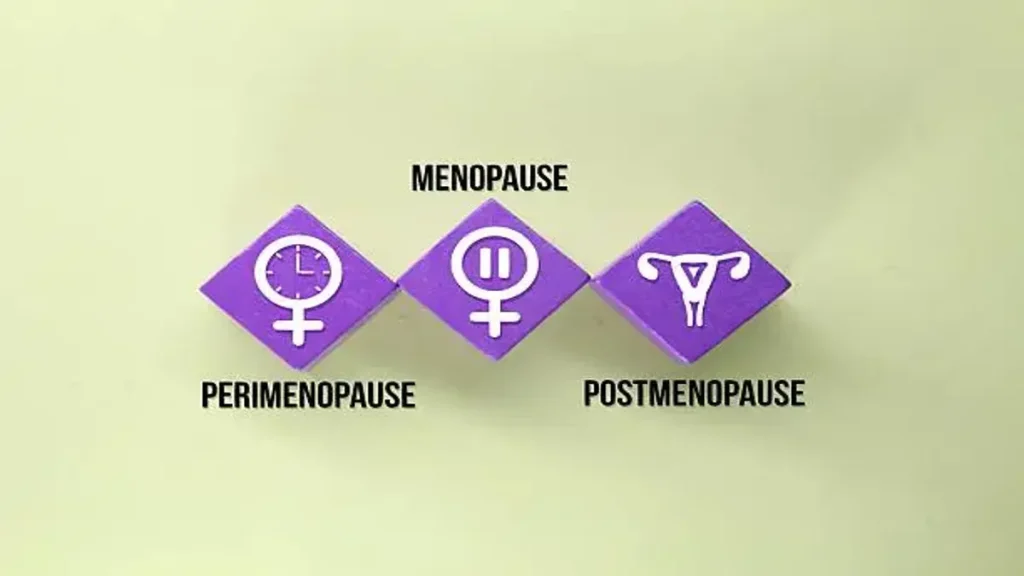
Menopause is a natural stage of life that every woman experiences, usually between the ages of 45 and 55. While it marks the end of reproductive years, it can also bring a wide range of physical and emotional changes that affect daily life. From hot flushes and sleep problems to mood swings and fatigue, these symptoms are often linked to a hormonal imbalance caused by changing oestrogen and progesterone levels. Understanding the right menopause treatment options can make this transition far more manageable and help women maintain a healthy, active lifestyle.
This article explores menopause in detail, explains why symptoms occur, and outlines the most effective treatment approaches available today, using clear and practical guidance tailored for women in Australia.
Understanding Menopause and Its Impact
Menopause is officially diagnosed when a woman has not had a menstrual period for 12 consecutive months. However, symptoms often begin years earlier during perimenopause, when hormone levels start to fluctuate.
These hormonal changes can lead to a variety of symptoms, including:
- Hot flushes and night sweats
- Irregular periods
- Vaginal dryness
- Difficulty sleeping
- Anxiety, irritability, or low mood
- Weight gain and reduced energy
- Reduced bone density
At the core of many of these issues is a hormonal imbalance, where the body produces lower levels of key reproductive hormones. While menopause is a natural process, the symptoms should not be ignored if they are affecting quality of life.
Why Menopause Treatment Matters
For some women, menopause symptoms are mild and short-lived. For others, they can be intense and long-lasting, interfering with work, relationships, and overall wellbeing. Seeking appropriate menopause treatment is not about “curing” menopause, but about managing symptoms and supporting long-term health.
Untreated symptoms can increase the risk of conditions such as osteoporosis, cardiovascular disease, and ongoing mental health challenges. Early and personalised treatment can help women stay healthy and confident during this stage of life.
Hormone Replacement Therapy (HRT)
Hormone Replacement Therapy, commonly known as HRT, is one of the most effective menopause treatment options for moderate to severe symptoms. It works by replenishing the hormones that decline during menopause, helping to correct the underlying hormonal imbalance.
Benefits of HRT
- Reduces hot flushes and night sweats
- Improves sleep quality
- Helps relieve vaginal dryness
- Supports bone health
- May improve mood and concentration
HRT is available in several forms, including tablets, patches, gels, sprays, and vaginal treatments. In Australia, HRT is widely prescribed and considered safe for many women when used appropriately and reviewed regularly by a healthcare professional.
However, HRT is not suitable for everyone. A full medical assessment is essential to determine whether it is the right menopause treatment for an individual’s health history and risk factors.
Non-Hormonal Menopause Treatment Options
Not all women want or can use hormone-based therapies. Fortunately, there are several non-hormonal approaches that can help manage symptoms and improve overall wellbeing.
Lifestyle Changes
Simple lifestyle adjustments can significantly reduce menopause symptoms:
- Maintaining a balanced diet rich in calcium and vitamin D
- Regular physical activity to support heart and bone health
- Reducing caffeine and alcohol intake
- Managing stress through mindfulness or relaxation techniques
These changes help stabilise the body and may ease symptoms caused by hormonal imbalance over time.
Non-Hormonal Medications
Certain prescription medications, such as low-dose antidepressants or blood pressure medicines, may help reduce hot flushes and mood changes. These are sometimes recommended as an alternative menopause treatment when HRT is not suitable.
Natural and Complementary Therapies
Many women explore natural menopause treatment options to support their health during this transition. While results vary, some approaches may offer relief for mild symptoms.
Common natural options include:
- Herbal supplements such as black cohosh or red clover
- Phytoestrogens found in soy-based foods
- Acupuncture for hot flushes and sleep issues
It is important to note that “natural” does not always mean risk-free. Supplements can interact with medications or have side effects. Always consult a qualified healthcare provider before starting any alternative treatment, especially when addressing hormonal imbalance.
Managing Emotional and Mental Wellbeing
Menopause is not just a physical change; it can also affect emotional health. Anxiety, low mood, and reduced confidence are common during this stage, often linked to hormonal shifts and life changes occurring at the same time.
Effective menopause treatment should include mental and emotional support, such as:
- Talking therapies or counselling
- Stress management techniques
- Support groups or online communities
Addressing emotional wellbeing is just as important as managing physical symptoms and can greatly improve quality of life.
Menopause Treatment and Long-Term Health
Beyond symptom relief, menopause treatment plays a key role in protecting long-term health. Lower oestrogen levels can increase the risk of osteoporosis and heart disease. A proactive approach that includes regular health checks, appropriate treatment, and healthy lifestyle choices can reduce these risks.
Bone density scans, heart health monitoring, and ongoing medical reviews are particularly important for women experiencing early or severe menopause symptoms linked to hormonal imbalance.
Choosing the Right Menopause Treatment
There is no one-size-fits-all solution when it comes to menopause. The best menopause treatment depends on factors such as age, symptom severity, medical history, and personal preferences.
A healthcare professional can help create a personalised plan that may include:
- Hormonal or non-hormonal therapies
- Lifestyle and dietary changes
- Mental health support
- Ongoing monitoring and adjustments
Open communication with a doctor ensures that treatment remains safe, effective, and aligned with changing needs over time.
Final Thoughts
Menopause is a natural life transition, but the symptoms do not have to take control. With the right menopause treatment, women can manage discomfort, restore balance, and protect their long-term health. Whether addressing hot flushes, sleep issues, or emotional changes caused by hormonal imbalance, early support and informed choices make a significant difference.
By understanding available options and seeking professional guidance, women can move through menopause with confidence, resilience, and a renewed focus on wellbeing.