


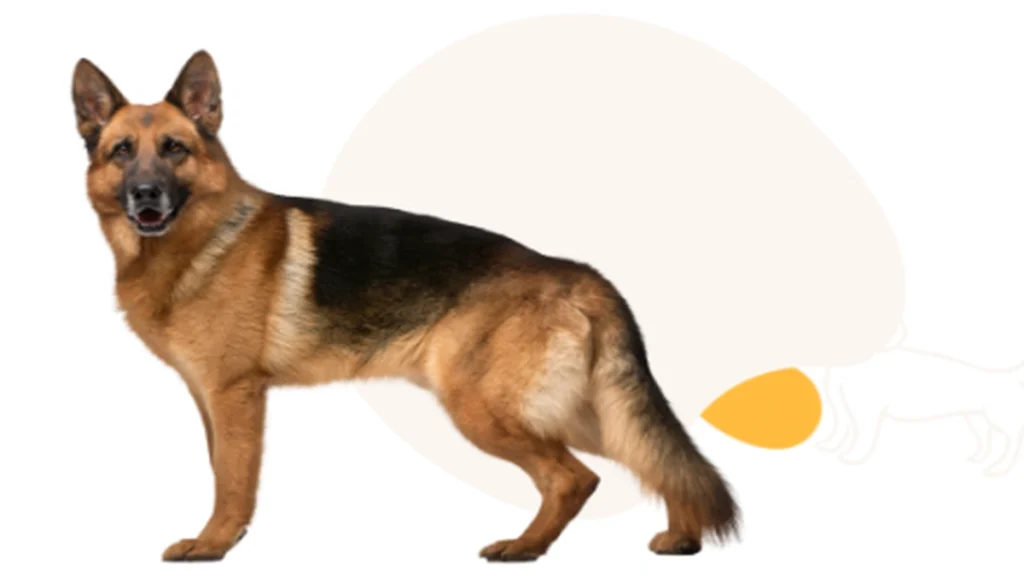
German Shepherds are intelligent, loyal and active dogs that bring joy to many Australian families. With their striking appearance and thick double coats, they need ongoing grooming to stay healthy, comfortable and looking their best. Many owners choose to work with German Shepherd grooming specialists at The Dog Social to ensure their dog’s coat is well looked after through professional care tailored to the breed. Regular grooming supports skin health, reduces shedding, prevents matting and allows you to keep an eye on your dog’s overall wellbeing.
Understanding the German Shepherd Coat
German Shepherds have a distinctive double coat. The outer coat consists of straight, coarse guard hairs that protect against dirt and moisture. Beneath this is a dense, soft undercoat that insulates the dog from temperature extremes. This combination requires maintenance that recognises both layers so that loose hair and debris are removed without damaging the protective guard coat. Knowing how your dog’s fur is structured helps you choose grooming tools and practices that work with the coat rather than against it.
Why Professional Grooming Matters
While basic brushing and bathing can be done at home, professional grooming provides deeper care that helps maintain coat health and comfort. Grooming specialists are trained to identify skin issues, seasonal shedding patterns, areas prone to matting and changes in the coat that may signal health concerns. Working with German Shepherd grooming specialists at The Dog Social gives your dog access to techniques and equipment designed for double-coated breeds, helping prevent unnecessary discomfort and keeping the coat balanced and manageable.
Brushing: The Foundation of Coat Care
Regular brushing is the foundation of coat care for German Shepherds. Because they shed year round and heavily during seasonal changes, frequent brushing helps reduce the amount of loose hair in your home and prevents tangles and matting.
Best practices for brushing include:
• Working from head to tail, section by section
• Using tools designed for double coats such as undercoat rakes and slicker brushes
• Being gentle around sensitive areas like the belly and tail base
• Brushing at least several times per week, and daily during heavy shedding seasons
Taking the time to brush properly not only removes loose undercoat hairs but also promotes circulation and helps distribute natural oils throughout the coat.
Bathing Without Stripping Natural Oils
Bathing is an important part of grooming but should be done carefully. Too frequent washing can strip natural oils, leaving the skin dry or irritated. German Shepherds typically need a bath every 6 to 8 weeks, though active dogs that spend a lot of time outdoors may need more frequent cleaning.
Professional groomers know how to choose gentle, breed-appropriate shampoos and conditioners and apply them in ways that clean effectively while maintaining skin health. They also dry the coat thoroughly to avoid moisture trapped close to the skin, which can cause irritation or odour.
Tackling Seasonal Shedding
German Shepherds undergo seasonal shedding, often in autumn and spring. During these periods, they “blow coat,” releasing large amounts of undercoat hair. Managing this effectively involves more frequent brushing, sometimes daily, and can benefit from professional deshedding treatments. Grooming specialists use techniques that remove loose undercoat efficiently while respecting the integrity of the top coat. Regular maintenance during shedding seasons helps your dog stay comfortable and reduces the amount of hair shed around the home.
Checking for Skin and Coat Health
Grooming is also an opportunity to check your dog’s skin and coat for issues. Look for signs such as:
• Redness, flakiness or inflammation
• Bald patches or irregular hair loss
• Lumps, bumps or skin growths
• Insect bites, ticks or fleas
• Unusual odours or damp fur after a bath
Professionals trained in canine handling can spot these indicators early and may recommend veterinary attention if something unusual is found. Regular grooming thus doubles as a preventative health check.
Nail Trimming and Paw Care
Paw and nail care is an essential part of grooming. Long nails can alter a dog’s gait, cause discomfort and increase the risk of injury. Professionals know how to trim nails safely and recognise when a dog may need specialised foot care due to activity level, age or gait when walking on hard or rough surfaces. Regular paw inspections can also reveal foreign bodies, cracked pads or infections between toes so they can be addressed promptly.
Ear and Dental Care
Although often overlooked, ear and dental care are important grooming aspects. German Shepherds can develop ear issues due to trapped moisture or debris, especially after outdoor play or bathing. Gentle ear cleaning with appropriate products helps reduce the risk of irritation and infection.
Dental health supports overall wellbeing. While daily brushing at home is ideal, professional grooming visits often include checks and guidance on tooth care. Clean teeth and healthy gums contribute to fresher breath and reduced risk of dental disease.
Grooming Frequency and Scheduling
The frequency of professional grooming varies depending on your dog’s lifestyle and shedding cycle. For many German Shepherds, a professional grooming visit every 6 to 10 weeks strikes a good balance between deep cleaning, deshedding and health checks. Dogs with high outdoor activity, allergies or skin sensitivities may benefit from more regular visits. Experienced groomers help you tailor a schedule that suits your dog’s needs, coat texture and seasonal changes.
Grooming Tools That Support At-Home Care
Investing in quality grooming tools helps you maintain your dog’s coat between professional visits. Useful tools include:
• Undercoat rakes to remove loose fur
• Slicker brushes for surface grooming
• Pin brushes for detangling
• Grooming gloves for comfortable, gentle brushing
Using these tools consistently keeps the coat manageable, enhances comfort and reduces the volume of hair shed around your home.
Preparing Your Dog for Grooming Sessions
Positive grooming experiences start at home. Helping your dog feel comfortable with handling, brushing and bathing from an early age makes professional sessions smoother. Reward-based training that pairs grooming with treats and calm praise builds trust and reduces stress. Communicate any behavioural sensitivities to your groomer so they can approach your dog thoughtfully, ensuring a positive, safe experience.
Conclusion
German Shepherds have beautiful coats that reflect their energy, strength and personality. Caring for these coats requires understanding the double-coat structure, managing shedding, maintaining skin and paw health and seeking expert support when needed. Working with German Shepherd grooming specialists at The Dog Social ensures that your dog’s grooming needs are met with skill, patience and breed-appropriate techniques.
With regular brushing, mindful bathing, seasonal deshedding support and scheduled professional care, your German Shepherd can stay comfortable, healthy and looking great year round. Investing in grooming not only improves appearance but also contributes to your dog’s overall wellbeing and quality of life.