


Introduction
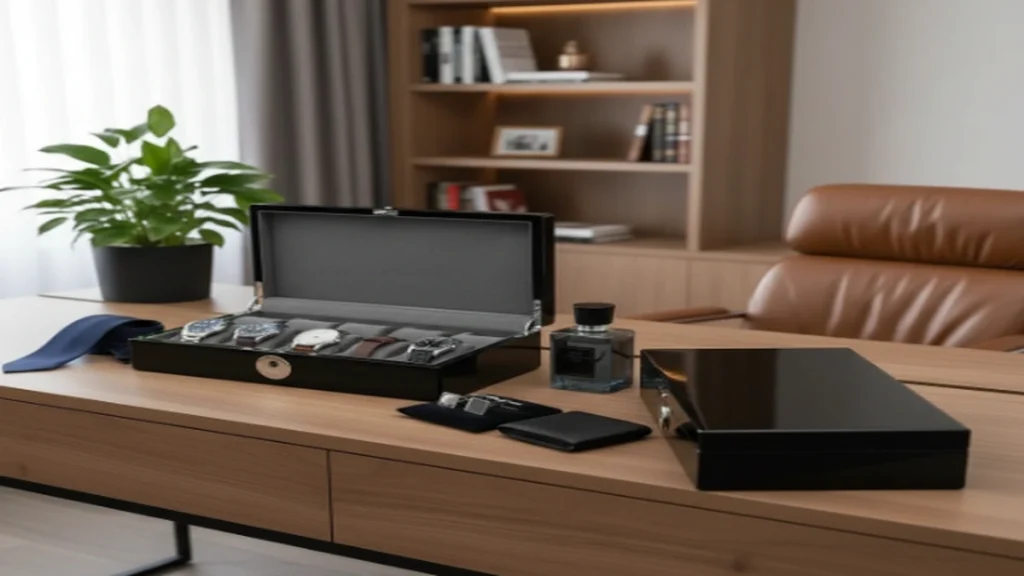
In the world of timepieces, a watch box isn’t just a simple container—it’s a guardian for your cherished collection. Whether you’re a casual enthusiast with a few favorites or a dedicated collector building an impressive array, watch boxes provide the perfect blend of protection, organization, and style. They keep your watches safe from dust, scratches, and everyday mishaps while allowing you to display them elegantly.
Imagine opening a sleek wooden case to reveal your timepieces nestled on soft cushions, ready for your next adventure. This guide dives deep into everything you need to know about watch boxes, from their history to modern features. We’ll explore types, materials, benefits, and tips to help you find the ideal one, ensuring your watches remain in pristine condition for years to come.

What is a Watch Box?
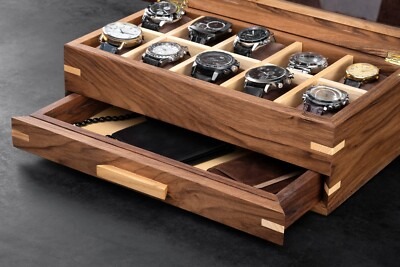
A watch box is a specialized storage case designed specifically for wristwatches. It typically features individual compartments or slots lined with soft materials to prevent damage. Unlike generic jewelry boxes, these are tailored to accommodate the unique shapes and sizes of watches, often including cushions or pillows that hold them securely in place.
These boxes come in various designs, from compact travel options to large display cases. Their primary role is to organize and protect timepieces, but many also serve as decorative pieces that enhance your space. Essentially, a good watch box turns chaotic storage into an organized showcase.
Beyond basic storage, some incorporate advanced elements like built-in winders for automatic watches. This keeps mechanisms running smoothly even when not worn. In short, it’s an essential accessory for anyone serious about their watch collection.
The History of Watch Boxes
The concept of watch boxes dates back to the 16th century, when pocket watches became status symbols among the elite. Early versions were simple leather pouches or wooden cases crafted to protect delicate mechanisms during travel. As watches evolved from pocket to wrist styles in the early 20th century, storage needs changed too.
By the 18th century, ornate boxes made from precious woods and metals emerged, often customized for nobility. These weren’t just functional; they reflected the owner’s wealth. The industrial revolution brought mass production, making watch boxes more accessible.
In the modern era, brands like Scatola del Tempo pioneered luxury options in the late 20th century, using high-end materials for collectors. Today, watch boxes blend tradition with innovation, incorporating tech like USB ports for smartwatches. This evolution mirrors the watch industry’s growth, turning basic storage into collectible art.
Types of Watch Boxes
Watch boxes vary widely to suit different needs, from everyday storage to travel protection. Understanding the types helps you pick one that matches your lifestyle. Let’s break down the main categories.
Standard Watch Boxes
These are basic, multi-slot cases for home use. They often hold 6 to 12 watches and feature simple lids without extras. Ideal for beginners, they focus on organization and basic protection.
Many come with removable pillows for easy access. Prices start low, making them accessible for growing collections.
Display Cases
Display watch boxes emphasize visibility with glass or acrylic tops. They turn storage into a showcase, perfect for enthusiasts who want to admire their pieces daily.

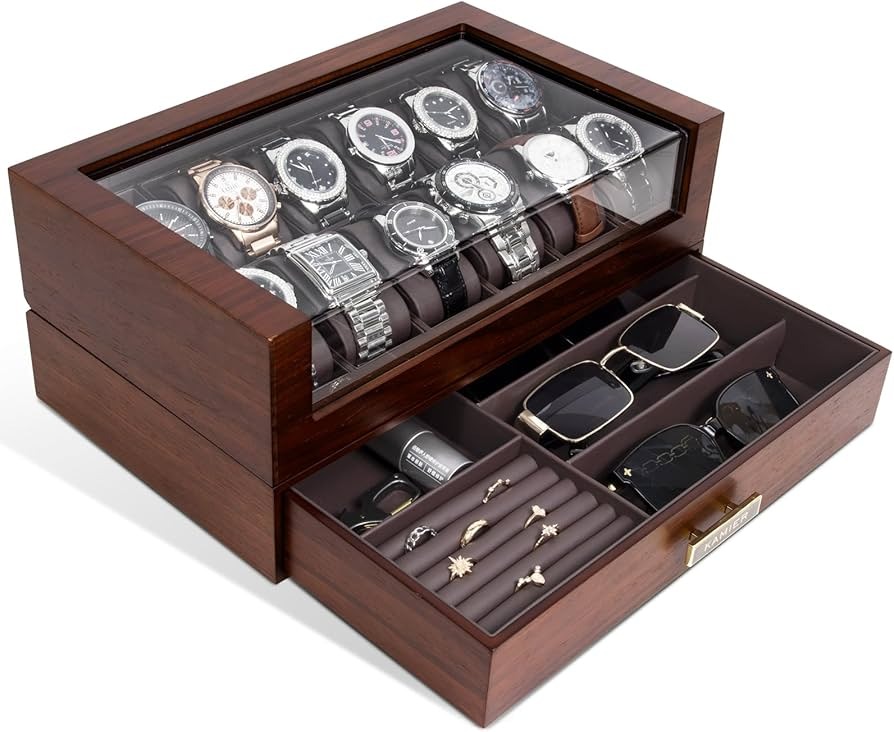
Some have angled lids for better viewing angles. These are great for desks or dressers, adding a decorative touch.
Travel Watch Rolls and Cases
Compact and portable, travel rolls are cylindrical pouches that wrap around watches. They hold 1 to 5 pieces securely, ideal for trips.
Cases offer more structure with hard shells for added protection. Both prevent tangling and scratches during transit.
Watch Winder Boxes
For automatic watches, these incorporate rotating mechanisms to mimic wrist movement. They keep watches wound and ready to wear.
Often combined with storage slots, they’re essential for collectors with mechanical timepieces that stop when idle.
Luxury and Custom Boxes
High-end watch boxes use premium materials like exotic leathers or rare woods. Custom options allow personalization, such as engravings or specific slot counts.
These cater to serious collectors, offering features like locks and climate control.
Modular Watch Boxes
Flexible designs let you add or remove sections as your collection grows. They’re practical for evolving needs without buying new boxes.
Some stack or connect, saving space while maintaining organization.
To compare, here’s a table highlighting key differences:
| Type | Capacity | Key Feature | Best For | Price Range |
| Standard | 6-12 slots | Basic compartments | Beginners | $20-$100 |
| Display | 4-17 slots | Glass lid | Showcasing | $50-$300 |
| Travel Roll | 1-5 watches | Portable wrap | Trips | $20-$80 |
| Winder Box | 2-10 watches | Rotation mechanism | Automatic watches | $100-$500 |
| Luxury | Up to 40 | Premium materials | Collectors | $200-$2000+ |
| Modular | Variable | Expandable | Growing collections | $100-$400 |
This variety ensures there’s a watch box for every scenario.
Materials Used in Watch Boxes
The material of a watch box affects its durability, aesthetics, and protection level. Common choices include wood, leather, and synthetics, each with unique pros.
Wood offers timeless elegance and sturdiness. Options like walnut or oak provide natural grains that age beautifully. It’s ideal for display cases but can be heavy.
Leather, whether genuine or vegan, adds a luxurious feel. It’s soft, flexible, and resistant to scratches, perfect for travel rolls.
Carbon fiber is modern and lightweight, offering high strength for premium boxes. It’s popular in high-tech designs.
Interiors often use velvet or suede to cushion watches gently. Metal accents like aluminum handles enhance durability.
Choosing materials depends on your style—wood for classic, leather for sophistication.
Key Features to Look For in Watch Boxes
When selecting a watch box, certain features elevate functionality. Soft pillows that adjust to band sizes prevent slipping.
Glass lids allow viewing without opening, reducing dust exposure. Drawers or compartments store extras like straps or tools.
Locks provide security for valuable collections. USB ports in modern boxes charge smartwatches conveniently.
Secret compartments add intrigue for hiding valuables. Ensure hinges are sturdy to avoid wear over time.
Climate control in advanced models regulates humidity, protecting against moisture damage.
Benefits of Using a Watch Box
Using a watch box protects your investments from scratches and dust, preserving value over time. It organizes collections, making selection effortless.
Display options boost aesthetic appeal, turning watches into decor. For automatics, winders maintain accuracy.
They prevent UV fading on dials and straps. Overall, they extend watch lifespan and enhance enjoyment.
Travel versions ensure safe transport, avoiding damage in luggage.
How to Choose the Right Watch Box
Start by assessing your collection size—opt for expandable options if growing. Consider budget; quality doesn’t always mean expensive.
Think about usage: home display or travel? Material preferences matter for style.
Check pillow sizes for fit—larger wrists need bigger cushions. Read reviews for real-user insights.
Prioritize lined interiors to avoid scratches. Test hinges and locks for smoothness.
Don’t overthink visuals; choose what appeals personally.
Popular Watch Box Brands
Several brands stand out for quality watch boxes. Wolf is renowned for durable, feature-rich options like the British Racing series.
Tawbury offers vegan leather designs with storage drawers, affordable yet elegant.
Holme & Hadfield focuses on collector-grade display cases with lifetime warranties.
Scatola del Tempo provides luxury Italian craftsmanship for high-end needs.
Rapport London excels in stylish, customizable boxes.
Shinola combines American design with practical storage.
Deferichs specializes in solid wood with secret compartments.
Case Elegance delivers modular, wood-based affordability.
Bosphorus Leather is great for rolls and portable cases.
These brands cater to various budgets and styles.
Watch Box Maintenance Tips
Regular care keeps your watch box looking new. Dust exteriors weekly with a soft cloth to prevent buildup.
For leather, use conditioner sparingly to avoid cracking. Wood benefits from occasional polishing.
Avoid direct sunlight to prevent fading. Store in cool, dry places.
Clean interiors gently, removing watches first. Vacuum slots if needed.
Deep clean every six months, wiping with mild solutions. This maintains longevity.
Conclusion
A well-chosen watch box transforms how you interact with your timepieces, offering protection, organization, and style. From humble beginnings in history to today’s innovative designs, these essentials cater to every collector’s needs. By understanding types, materials, and features, you can select one that enhances your collection. Remember, the right box not only safeguards your watches but also reflects your passion. Invest wisely, and enjoy your timepieces for generations.
FAQs
What is the best material for a watch box?
Wood provides durability and elegance, while leather offers flexibility. Choose based on your aesthetic and usage needs.
How many slots do I need in a watch box?
Start with your current collection plus room for growth. 6-12 slots suit most beginners.
Are watch winders necessary?
For automatic watches worn infrequently, yes—they keep them running accurately.
Can I use a watch box for travel?
Opt for rolls or hard cases designed for portability to protect during trips.
How do I clean my watch box?
Use soft cloths for dusting; condition leather periodically and polish wood as needed.
What’s the difference between a watch box and a watch case?
Boxes are typically for home storage, while cases are more portable.
Do watch boxes protect against humidity?
Some advanced models include climate control; otherwise, store in dry environments.
Are custom watch boxes worth it?
For unique needs or personalization, yes—they add a special touch.
How much should I spend on a watch box?
Budget $50-$300 for quality; higher for luxury features.
Can smartwatches fit in watch boxes?
Yes, many have adjustable pillows and USB charging ports.