

Helping children develop healthy habits is one of the most valuable gifts parents and caregivers can provide. These habits, formed early, often last a lifetime and influence physical health, emotional well-being, and overall quality of life. Teaching children about nutrition, exercise, hygiene, and self-care requires patience, consistency, and creativity. By modeling positive behaviors and creating supportive environments, adults can empower kids to make choices that benefit them now and in the future.
Start with Nutrition Basics
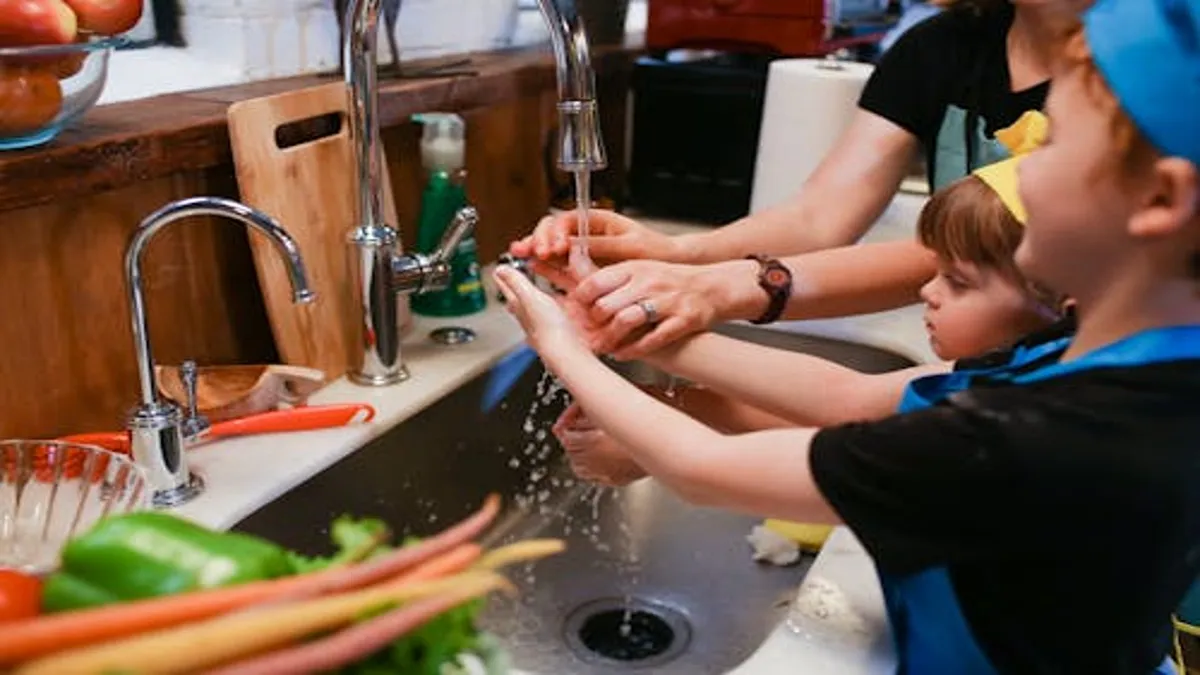
Nutrition is a cornerstone of healthy living, and children benefit greatly from learning about balanced diets early on. Parents can introduce the concept of food groups, explaining the importance of fruits, vegetables, proteins, and whole grains. Involving children in meal preparation is a practical way to teach them about healthy eating—allowing them to wash vegetables, stir ingredients, or choose snacks from a list of nutritious options. These small actions help children understand the value of food choices and encourage them to take ownership of their health.
Encourage Physical Activity
Exercise is essential for children’s growth and development, but it doesn’t have to feel like a chore. Encouraging physical activity through play makes movement fun and engaging. Activities such as riding bikes, swimming, or playing tag provide exercise while fostering social skills and creativity. Parents can also set aside family time for walks or sports, reinforcing the idea that fitness is a shared priority. By making physical activity enjoyable, children are more likely to view exercise as a natural and rewarding part of daily life.
Teach the Importance of Hygiene
Hygiene is another critical area where children need guidance. Simple routines like washing hands before meals, brushing teeth twice a day, and bathing regularly help prevent illness and build confidence. Parents should explain why these habits matter, using age-appropriate language to connect hygiene with health outcomes. For example, visiting a pediatric dentist in Chula Vista can reinforce the importance of oral care, showing children how professional checkups complement their daily routines. When children understand the connection between hygiene and feeling good, they are more likely to adopt these practices consistently.
Model Healthy Behaviors
Children learn best by observing the adults around them. Parents and caregivers who demonstrate healthy habits—such as eating balanced meals, exercising regularly, and practicing good hygiene—set powerful examples. Modeling also extends to emotional health; showing children how to manage stress, practice gratitude, or maintain positive relationships teaches them that wellness is holistic. When children see these behaviors consistently, they are more likely to imitate them, making healthy habits a natural part of their own lives.
Create Supportive Environments
A supportive environment makes it easier for children to practice healthy habits. This includes stocking the home with nutritious foods, limiting screen time, and providing opportunities for physical activity. Schools and community programs can also play a role by offering health education and safe spaces for exercise. Encouragement is key—praising children for making healthy choices reinforces their efforts and builds confidence. By creating environments that prioritize wellness, parents and caregivers help children feel empowered to maintain healthy routines.
Conclusion
Teaching children about healthy habits is a long-term investment in their well-being. By focusing on nutrition, encouraging physical activity, reinforcing hygiene, modeling positive behaviors, and creating supportive environments, parents and caregivers can guide children toward a lifetime of good health. These lessons not only protect children from illness but also instill confidence, resilience, and a sense of responsibility for their own well-being. With consistent guidance and encouragement, children can grow into adults who value and maintain healthy habits, ensuring a brighter and healthier future.
 admin
admin  Sky Bloom IT