

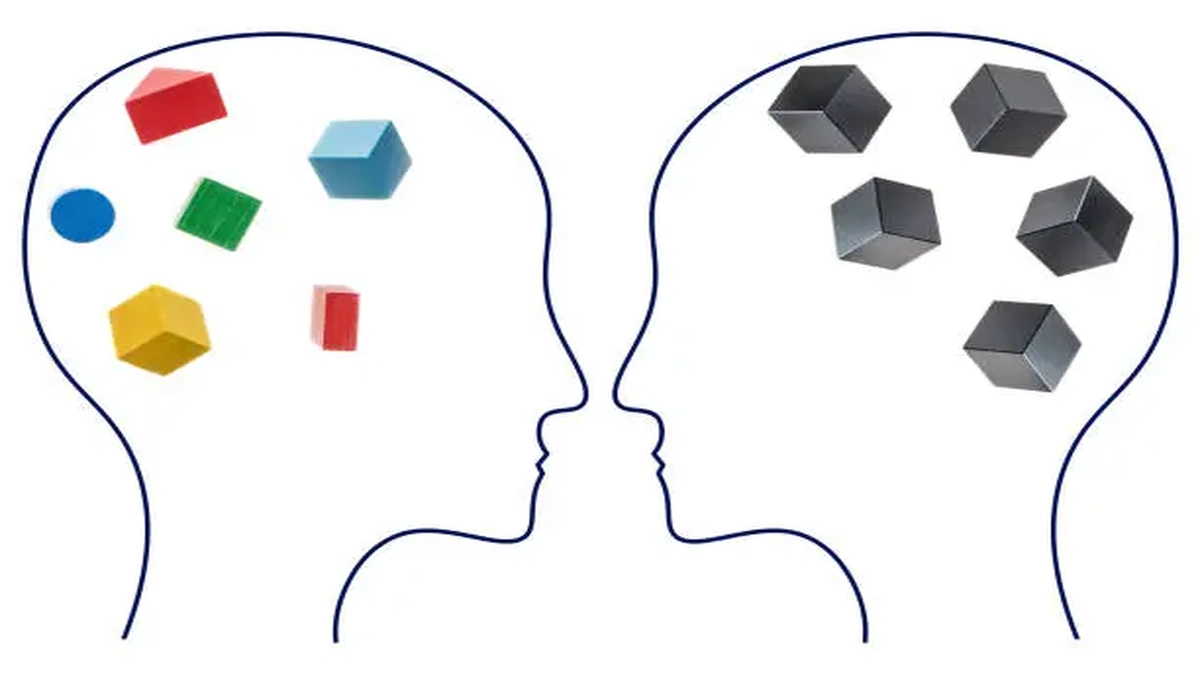
Aquidimatismo is a contemporary concept used to describe how individuals and societies adapt to changing environments, pressures, and expectations without losing a sense of identity or coherence. It combines the idea of acclimatization with a cultural and psychological understanding of meaning-making, emphasizing that adaptation is not only biological or technical, but also emotional, social, and narrative in nature.
Rather than framing change as disruption alone, aquidimatismo frames it as an integrative process. People do not merely react to new conditions; they reinterpret them, weave them into their stories, and reshape their sense of self around them. This process can be seen in migration, technological shifts, climate adaptation, social change, and personal transformation.
Aquidimatismo therefore operates at the intersection of resilience and creativity. It suggests that stability is not achieved by resisting change, but by absorbing it in ways that preserve core values while allowing new forms to emerge. This concept becomes especially relevant in an era characterized by accelerating technological change, environmental uncertainty, and evolving social norms.
By naming this process, aquidimatismo provides language for something humans have always done: adapt not just physically, but existentially. It offers a way to understand how people remain themselves while becoming something new.
The Meaning and Origins of Aquidimatismo
Aquidimatismo is a neologism that blends ideas of acclimatization and adaptive balance. While not part of formal scientific terminology, it draws from established concepts in biology, psychology, anthropology, and philosophy.
In biology, acclimatization refers to physiological adjustments to environmental change. In psychology, adaptation describes how people adjust cognitively and emotionally to new circumstances. Aquidimatismo extends these ideas into the cultural domain, where adaptation includes changes in identity, values, narratives, and social structures.
The term is used to describe a pattern rather than a rule. It does not prescribe how adaptation should happen but observes how it unfolds when people integrate change with meaning rather than experience it as pure loss or rupture.
Adaptation as a Human Process
Human beings are uniquely capable of reflective adaptation. They not only adjust behavior but also reinterpret experience. This allows them to survive physical changes and also navigate moral, cultural, and existential shifts.
Psychological adaptation includes coping strategies, reframing, emotional regulation, and learning. Social adaptation includes renegotiating norms, roles, and relationships. Cultural adaptation includes reshaping stories, symbols, and traditions.
Table: Dimensions of Adaptation
| Dimension | Focus | Example |
|---|---|---|
| Biological | Physical adjustment | High altitude adaptation |
| Psychological | Emotional coping | Stress management |
| Social | Role negotiation | Migration integration |
| Cultural | Meaning-making | Identity change |
Aquidimatismo encompasses all these dimensions and emphasizes their interdependence.
Aquidimatismo and Environmental Change
Environmental change highlights aquidimatismo vividly. Communities facing climate shifts must adapt infrastructure, livelihoods, and narratives about place and future.
Adaptation is not only technical but cultural. A farming community adjusting to drought does not only change crops; it changes traditions, expectations, and generational identity.
Aquidimatismo describes this layered adaptation where physical survival and cultural continuity evolve together.
Table: Adaptation Across Scales
| Scale | Mechanism | Result |
|---|---|---|
| Individual | Cognitive reframing | Personal resilience |
| Community | Shared strategies | Collective stability |
| Culture | Narrative renewal | Sustained identity |
Expert Perspectives
“Adaptation is not just survival, it is reinterpretation.” — Cultural psychology perspective.
“Resilience depends on both structural flexibility and narrative coherence.” — Sociological systems analysis.
“Human adaptation is meaningful when it preserves continuity while enabling transformation.” — Philosophical anthropology view.
These perspectives align with aquidimatismo’s emphasis on adaptation as integrative rather than reactive.
Aquidimatismo in Cultural Narratives
Stories of exile, return, transformation, and renewal appear in myth, literature, and history. These narratives model how people absorb change into identity.
Migration stories, post-industrial transitions, and digital transformations all involve aquidimatismo. Individuals and groups redefine who they are while remaining rooted in memory and value.
Aquidimatismo therefore reflects a universal human pattern: continuity through change.
Challenges and Misunderstandings
Aquidimatismo can be misread as passive acceptance. In reality, it implies active engagement with change, not surrender to it.
It also should not be used to justify harmful conditions by romanticizing adaptation. Not all change should be accepted; some should be resisted. Aquidimatismo applies when change is inevitable, not when it is unjust.
Takeaways
- Aquidimatismo describes integrative adaptation.
- It spans biological, psychological, social, and cultural change.
- It emphasizes meaning-making alongside survival.
- It applies to environmental, technological, and social shifts.
- It requires agency, not passivity.
- It preserves identity through transformation.
Conclusion
Aquidimatismo offers a way to understand adaptation as a creative, meaning-centered process rather than a purely technical one. It highlights the human capacity to absorb change without losing coherence, to evolve without dissolving identity.
In a rapidly changing world, this capacity becomes essential. Aquidimatismo does not promise comfort or control, but it offers orientation — a way to move through uncertainty with continuity and purpose.
It reminds us that while change reshapes our environment, it also reshapes our stories, and it is through those stories that we remain ourselves.
FAQs
What is aquidimatismo?
It is a concept describing integrative adaptation to change.
Is aquidimatismo scientific?
It draws on science but is cultural and philosophical.
Where is it applied?
In discussions of culture, resilience, and transformation.
Does it mean accepting everything?
No, it applies to inevitable change, not injustice.
Why is meaning important?
Meaning allows continuity during transformation.
 Prime Star