

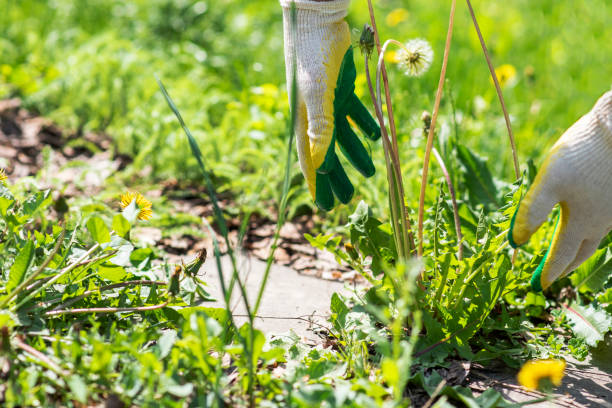
Weeds are one of the most persistent challenges for anyone who cares for a garden, lawn, or cultivated outdoor space. Whether you grow vegetables, flowers, or simply want a clean green yard, weeds can quickly take over and compete with desired plants for water, sunlight, and nutrients. They often grow faster than cultivated plants, thrive in difficult conditions, and return even after repeated removal. Understanding how to get rids of weeds effectively is not just about pulling them out; it involves knowing why they grow, how they spread, and what strategies can keep them under control for the long term. A well-planned approach to weed management can improve plant health, enhance soil quality, and reduce the need for harsh chemicals. By combining preventive methods, natural remedies, and consistent care, it is possible to maintain a healthy and attractive outdoor space without constant frustration.
Understanding Weeds and Why They Grow
Before trying to eliminate weeds, it is important to understand their role in the environment. Weeds are simply plants growing where they are not wanted. Many of them are highly adaptable and can survive in poor soil, dry conditions, or crowded areas. Their seeds spread easily through wind, water, animals, and even human activity. Some weeds also reproduce through roots or underground stems, making them particularly difficult to control.
Types of Common Weeds
Different weeds require different approaches. Some are annuals that complete their life cycle in one season, while others are perennials that return year after year. Identifying the type of weed helps determine the best removal method and prevention strategy.
| Weed Type | Characteristics | Best Removal Approach |
|---|---|---|
| Annual Weeds | Grow from seed and die in one season | Remove before they seed |
| Perennial Weeds | Return every year from roots | Remove entire root system |
| Broadleaf Weeds | Wide leaves and visible flowers | Hand pulling or targeted treatment |
| Grassy Weeds | Look similar to lawn grass | Smothering or selective control |
Understanding these categories allows gardeners to tailor their efforts and avoid unnecessary work. For example, annual weeds can often be controlled by removing them early, while perennial weeds require deeper removal of roots.
Preventing Weeds Before They Start
One of the most effective ways to deal with weeds is prevention. Once weeds establish themselves, they can be difficult to remove completely. Preventive measures reduce the number of weeds that appear and make maintenance easier.
Healthy Soil and Plant Growth
Healthy soil encourages strong plant growth, which naturally suppresses weeds. When desired plants grow thick and vigorous, they block sunlight and leave little room for unwanted growth. Adding compost, maintaining proper watering, and using organic fertilizers can improve soil health and reduce weed problems over time.
Mulching for Weed Control
Mulching is one of the most reliable and natural methods for preventing weeds. A layer of mulch blocks sunlight from reaching weed seeds, making it difficult for them to germinate. Organic mulches such as straw, wood chips, and leaves also improve soil structure as they decompose.
| Mulch Type | Benefits | Ideal Use |
|---|---|---|
| Straw | Lightweight and easy to spread | Vegetable gardens |
| Wood Chips | Long-lasting and decorative | Flower beds and paths |
| Leaves | Free and nutrient-rich | Seasonal garden beds |
| Compost | Adds nutrients and moisture retention | Around plants |
Applying mulch in a layer about 2–4 inches thick can significantly reduce weed growth while retaining moisture and improving soil health.
Manual Weed Removal Techniques
Manual removal remains one of the most reliable methods for eliminating weeds. While it may require time and effort, it ensures that weeds are removed without harming the surrounding environment.
Hand Pulling
Hand pulling is most effective when the soil is moist, as roots come out more easily. Removing weeds early, before they produce seeds, prevents them from spreading further. Using gloves and simple tools like hand forks or weed pullers can make the process more efficient and less tiring.
Hoeing and Cultivating
Hoeing is useful for removing young weeds before they establish deep roots. Regularly loosening the soil surface disrupts weed growth and prevents seedlings from taking hold. This method is particularly effective in vegetable gardens and open beds.
Deep Root Removal
Perennial weeds often have deep roots that must be removed entirely. Digging carefully around the root system and removing it fully prevents regrowth. Leaving even a small piece of root behind can allow the weed to return, so thorough removal is essential.
Natural and Organic Weed Control Methods
Many gardeners prefer natural solutions to avoid chemicals and maintain a healthy environment. Organic weed control methods can be highly effective when used consistently and correctly.
Boiling Water Method
Pouring boiling water directly on weeds can kill them by damaging plant tissues. This method works best on weeds growing in cracks of driveways, sidewalks, or pathways. It is important to avoid pouring boiling water on desired plants, as it can harm them as well.
Vinegar Solution
Vinegar contains acetic acid, which can dry out and kill weeds when applied directly to their leaves. A strong vinegar solution works best on young weeds and sunny days. Repeated applications may be necessary for stubborn growth.
Salt and Natural Solutions
Salt can be used carefully to kill weeds in non-planting areas such as pathways or driveways. However, excessive use can damage soil quality, so it should be applied sparingly and only where plant growth is not desired.
| Natural Method | Effectiveness | Best For |
|---|---|---|
| Boiling Water | Quick and simple | Pathways and cracks |
| Vinegar Spray | Effective on young weeds | Small garden areas |
| Salt Solution | Long-lasting control | Non-planting areas |
| Mulching | Preventive and soil-friendly | Garden beds |
Combining these methods often provides better results than relying on a single approach.
Smothering and Blocking Weeds
Smothering weeds involves blocking sunlight and air, preventing them from growing. This method is particularly useful for large areas or persistent weed patches.
Using Cardboard and Newspaper
Laying cardboard or thick layers of newspaper over weed-infested areas can block sunlight and stop growth. Covering the material with soil or mulch helps it stay in place and improves appearance. Over time, the material decomposes and enriches the soil.
Landscape Fabric
Landscape fabric can be placed under mulch to create a barrier against weeds. While not foolproof, it can significantly reduce weed growth in pathways, flower beds, and around shrubs.
Lawn Weed Control Strategies
Lawns often face unique weed challenges because weeds can blend in with grass. Maintaining a healthy lawn is the best defense against weed invasion.
Proper Lawn Care
Regular mowing, watering, and fertilizing encourage thick grass growth that naturally crowds out weeds. Cutting grass at the right height helps it develop strong roots and shade the soil, making it harder for weeds to grow.
Overseeding
Overseeding fills in bare spots where weeds are likely to appear. Adding new grass seed creates a dense lawn that leaves little room for unwanted plants.
| Lawn Care Practice | Benefit |
|---|---|
| Regular Mowing | Prevents weed seed growth |
| Proper Watering | Encourages strong grass |
| Fertilization | Improves lawn density |
| Overseeding | Fills gaps and prevents weeds |
Seasonal Weed Management
Weed control is not a one-time task but a year-round process. Different seasons require different strategies.
Spring
Spring is the time when many weeds begin to grow. Removing them early prevents them from seeding and spreading. Applying mulch and preparing soil in spring can reduce weed problems throughout the year.
Summer
In summer, regular monitoring and removal are essential. Weeds grow quickly in warm weather, so consistent maintenance prevents them from taking over.
Autumn
Autumn is ideal for removing perennial weeds and preparing soil for the next growing season. Adding mulch and compost helps improve soil health and reduce weed growth in the following year.
Winter
Winter provides an opportunity to plan and maintain tools. Covering garden beds with mulch or protective layers prevents weed growth before spring.
Long-Term Weed Prevention
Long-term weed control focuses on creating conditions where weeds struggle to grow. Healthy soil, proper plant spacing, and consistent care make a significant difference over time.
Crop Rotation and Plant Diversity
In vegetable gardens, rotating crops and planting diverse species can reduce weed problems. Different plants use nutrients differently, preventing conditions that favor certain weeds.
Ground Covers
Planting ground covers fills empty spaces and blocks sunlight from reaching weed seeds. Dense plantings create a natural barrier against unwanted growth.
Consistency and Maintenance
Regular monitoring and quick removal of small weeds prevent them from becoming major problems. Spending a little time each week on weed control is more effective than tackling a large infestation later.
Common Mistakes to Avoid
Many people struggle with weeds because of common mistakes. Avoiding these errors can improve results and save time.
Ignoring Early Growth
Small weeds are easier to remove than large ones. Ignoring them allows roots to grow deeper and seeds to spread.
Incomplete Removal
Leaving roots behind often leads to regrowth. Taking time to remove weeds completely prevents them from returning.
Overusing Chemicals
Chemical herbicides can harm soil health and beneficial organisms. Using natural methods and preventive strategies is often safer and more sustainable.
Tools for Effective Weed Removal
Using the right tools can make weed removal easier and more efficient.
| Tool | Purpose |
|---|---|
| Hand Fork | Removing small weeds |
| Hoe | Surface weed removal |
| Weeder Tool | Deep root removal |
| Garden Gloves | Protection and grip |
| Wheelbarrow | Collecting weeds |
Investing in quality tools reduces effort and improves results.
Building a Weed-Resistant Garden
A weed-resistant garden is not weed-free, but it is easier to maintain. Combining multiple strategies—mulching, proper watering, soil improvement, and regular maintenance—creates an environment where weeds struggle to thrive. Over time, these practices reduce the need for intensive removal and create a healthier ecosystem for plants.
Creating Balance
A balanced garden with healthy soil, proper plant spacing, and consistent care naturally suppresses weeds. Encouraging beneficial insects and microorganisms also improves plant health and reduces weed problems.
Patience and Persistence
Weed control requires patience. Some weeds may take time to eliminate completely, especially those with deep roots or persistent seeds. Consistent effort and a combination of methods produce the best results.
Conclusion
Learning how to get rids of weeds effectively involves more than simply pulling them out. It requires understanding their growth patterns, preventing their spread, and using a combination of natural and practical methods. By focusing on soil health, proper plant care, and consistent maintenance, it is possible to reduce weed problems significantly and maintain a healthy, attractive garden or lawn. Natural approaches such as mulching, manual removal, and smothering techniques can be highly effective when used regularly. Over time, these practices create a sustainable environment where desired plants thrive and weeds struggle to survive. With patience, planning, and the right tools, anyone can achieve long-term weed control and enjoy a cleaner, healthier outdoor space.
click here for more blogs posts
FAQs
1. What is the fastest way to get rid of weeds?
The fastest way to remove weeds is by pulling them out from the roots when the soil is moist, ensuring they do not regrow.
2. Can weeds grow back after removal?
Yes, weeds can grow back if roots or seeds remain in the soil. Complete removal and prevention methods reduce regrowth.
3. Are natural weed killers effective?
Natural methods like mulching, vinegar, and boiling water can be effective when applied consistently and used correctly.
4. How often should weeds be removed?
Weeds should be removed regularly, ideally once a week, to prevent them from establishing deep roots and spreading seeds.
5. Does mulch completely stop weeds?
Mulch greatly reduces weed growth by blocking sunlight, but occasional weeds may still appear and require removal.