

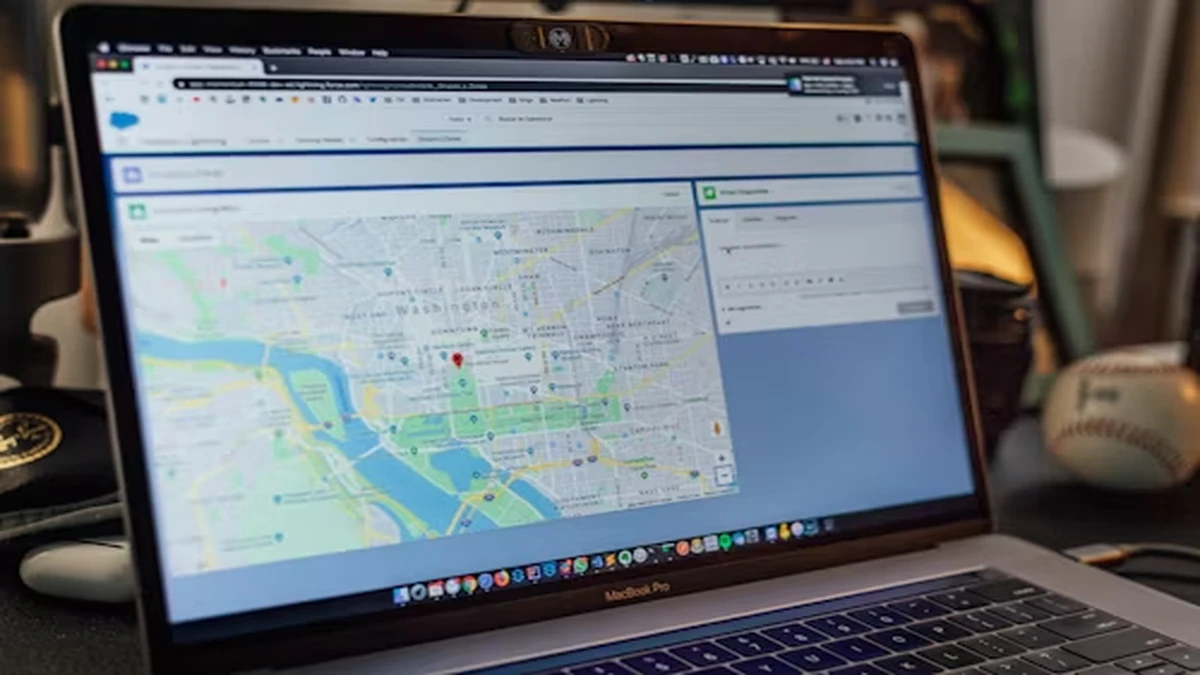
Local markets depend heavily on visibility, trust and accessibility. When customers search for nearby services they rely on listings that show names, addresses, reviews categories and activity signals. These listings influence buying decisions and shape brand perception at a local level. A Google Maps Scraper helps transform this visible information into organized data that supports analysis planning and long term decision making for businesses researchers and consultants working with geographic insights.
What a Google Maps Scraper Represents
A Google Maps Scraper is designed to collect publicly available listing information and present it in a structured format. Through Google Maps data extraction it becomes possible to view hundreds or even thousands of listings without repetitive manual searches. This approach supports consistency and allows teams to focus on interpretation rather than collection.
Importance of Organized Listing Information
Individual listings provide value but only in isolation. Local business information scraping brings structure to scattered information. A Google business listings scraper allows sorting by category location rating or review count. Organized datasets reduce errors and support more confident conclusions across research projects.
Contribution to Location Based Market Research
Regional differences influence consumer behavior and business performance. Location based market research depends on accurate local data. A Google Maps Scraper supports this by showing how businesses are distributed across areas and how customers respond in different regions. Analysts can compare neighborhoods, cities or service zones with clarity and precision.
Competitive Awareness and Market Position
Visibility within map results often reflects reputation and customer trust. A Google Maps Scraper helps compare competitors using the same metrics. Through Google Maps data extraction businesses can study ratings, review volume and listing completeness side by side. These insights highlight opportunities for improvement and differentiation.
Insights From Customer Reviews
Customer feedback reveals expectations and service quality. Local business data scraping allows teams to study review patterns across multiple listings. A Google Maps Scraper helps identify recurring themes changes in sentiment and response behavior. Marketing teams can adjust messaging based on real customer voices rather than assumptions.
Support for Sales and Outreach
Sales planning improves when prospect data is accurate. Maps lead generation software built around listing information helps identify businesses by location category and activity. A Google Maps Scraper supports outreach by showing which listings appear active, engaged and visible to customers. This reduces wasted effort and improves relevance.
Planning New Market Entry
Expansion decisions require confidence. Location based market research becomes more reliable with structured listing data. A Google Maps Scraper helps assess competition density, customer response and category demand before committing resources. This approach supports careful planning rather than guesswork.
Marketing sales and research teams often work with different datasets. A Google Maps Scraper creates a shared foundation. With consistent Google Maps data extraction teams align on the same information which improves collaboration reporting and internal communication.
Responsible Use of Public Information
Public listings exist for transparency and customer reference. Ethical local business data scraping focuses on analysis planning and insight development. A Google Maps Scraper should be used within acceptable standards and respect platform rules. Responsible use protects credibility and long term value.
Industry Applications Across Use Cases
Consultants analyze competition agencies assess visibility, founders study demand and analysts monitor regional trends. In each scenario a Google business listings scraper reduces manual workload while improving accuracy. Structured data supports insight driven decisions across industries.
Selecting a Reliable Collection Option
Accuracy consistency and usable output matter when working with listing data. Teams often seek solutions that handle Google Maps data extraction efficiently. For businesses looking for a dependable option Scraper City is often referenced as a practical choice for managing structured listing data at scale.
Monitoring Market Changes Over Time
Local markets shift as customer preferences change and new businesses appear. A Google Maps Scraper supports repeated data collection which allows comparison across different periods. Tracking these changes helps teams adjust plans based on current signals rather than outdated assumptions.
Long Term Strategic Value
Reliable access to organized listing data supports smarter planning. A Google Maps Scraper transforms visible information into structured insight. Through ongoing local business data scraping organizations gain clearer awareness of competition customer response and geographic performance patterns that influence sustainable growth.
Final Thoughts
A Google Maps Scraper plays an important role in modern local business analysis. By supporting Google Maps data extraction and location based market research it provides clarity, efficiency and consistency. When applied responsibly this approach strengthens research quality, improves planning confidence and supports informed decisions grounded in real local data.
 admin
admin