

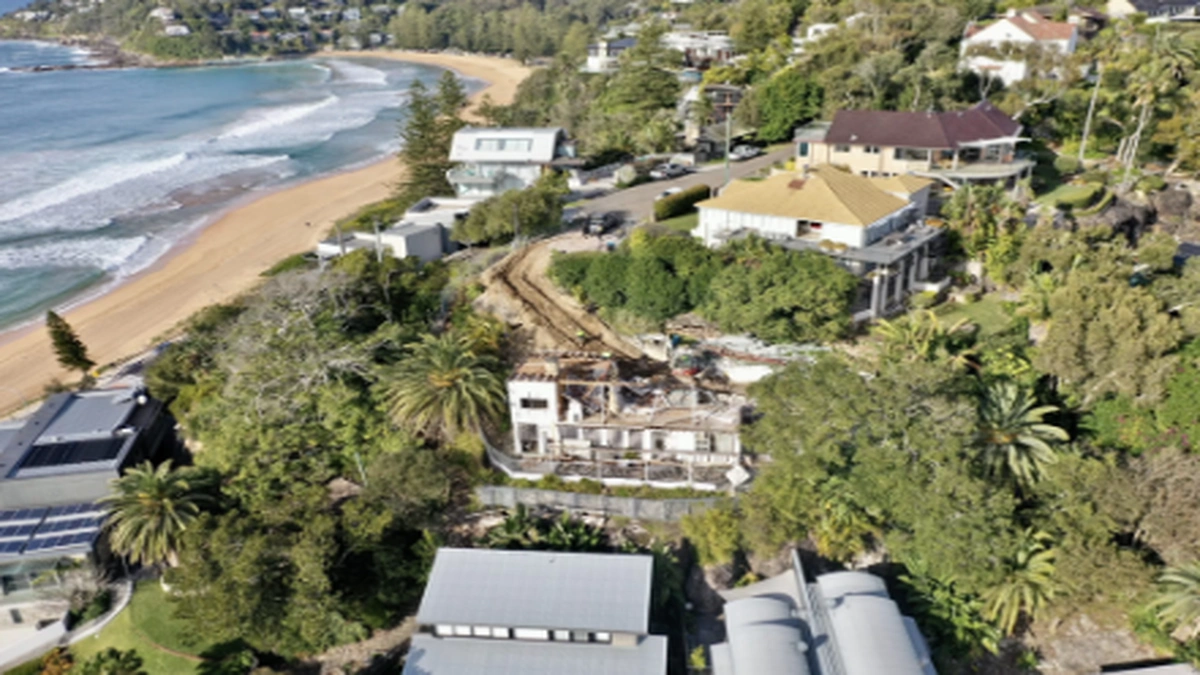
House demolition may appear straightforward from the outside, but it is a highly technical and regulated process that requires careful planning, compliance and expertise. Property owners preparing for knockdown rebuild projects often rely on Demolition in Sydney by Rick Davis Contracting to ensure the job is completed safely and efficiently. From structural complexities to environmental regulations, demolition projects present a range of challenges that must be handled professionally to avoid delays, hazards and unexpected costs.
Understanding these common challenges highlights why experienced demolition contractors play such a vital role in residential redevelopment across Sydney.
One of the first challenges in house demolition is obtaining the appropriate approvals. Sydney councils require specific permits before demolition work can begin. Documentation may include development approvals, environmental assessments and waste management plans. Failing to secure the correct permissions can result in fines or project delays.
Professional demolition contractors manage the compliance process by liaising with local authorities and ensuring all documentation is prepared accurately. Their knowledge of local regulations helps prevent administrative setbacks.
Managing Hazardous Materials
Older homes in Sydney often contain hazardous materials such as asbestos. Improper handling of asbestos poses serious health risks and is strictly regulated under Australian law. Identifying and safely removing hazardous materials requires licensed professionals and specialised procedures. This step must occur before structural demolition begins.
Experienced contractors conduct thorough site inspections and coordinate safe removal in accordance with workplace health and safety standards.
Structural Complexity and Unpredictability
Not all houses are constructed the same way. Variations in materials, extensions or modifications over time can complicate demolition. Unexpected structural reinforcements, hidden load-bearing elements or underground utilities may present challenges during dismantling.
Professional demolition teams conduct detailed pre-demolition assessments to identify structural risks. Using appropriate equipment and staged demolition techniques ensures controlled removal.
Protecting Neighbouring Properties
Sydney’s residential areas are often densely populated. Homes may be located close to neighbouring structures, fences and shared driveways. Vibration, falling debris or dust can impact surrounding properties if not managed carefully.
Expert contractors implement protective measures such as temporary fencing, dust suppression systems and controlled dismantling methods to minimise disruption. Clear communication with neighbours further supports a smooth project process.
Utility Disconnections and Service Coordination
Before demolition begins, all utilities must be safely disconnected. This includes electricity, gas, water and telecommunications. Coordinating service disconnections with utility providers can be time-sensitive and complex.
Professional demolition contractors manage these arrangements to ensure the site is fully decommissioned before heavy machinery is introduced. Safe utility handling prevents accidents and legal complications.
Waste Management and Recycling
Demolition generates significant waste, including timber, concrete, metal and roofing materials. Responsible disposal and recycling are critical to meeting environmental regulations and reducing landfill impact.
Modern demolition practices prioritise material separation and recycling wherever possible. Concrete may be crushed for reuse, while metals can be repurposed. Professional contractors implement structured waste management plans to ensure compliance and sustainability.
Dust and Noise Control
Demolition activity inevitably produces dust and noise. Without proper management, these factors can affect nearby residents and create safety concerns.
Dust suppression methods such as water spraying help contain airborne particles. Noise levels are managed within regulated working hours. Experienced demolition teams follow environmental guidelines to reduce impact and maintain community compliance.
Site Safety and Risk Management
Demolition sites contain inherent risks, including falling debris, unstable structures and heavy machinery operation. Comprehensive risk assessments and safety protocols are essential to protect workers and the public.
Licensed contractors adhere to strict safety standards, ensuring equipment is maintained and personnel are properly trained. Site fencing, signage and traffic management plans further enhance safety measures.
Time and Project Coordination
Demolition is often the first stage of a larger construction project. Delays can impact building schedules and increase costs. Efficient coordination between demolition teams, builders and engineers ensures timelines remain on track.
Experienced contractors plan demolition stages carefully, allowing for smooth transition into construction phases. Reliable project management reduces downtime and unexpected setbacks.
Environmental Considerations
Sydney’s environmental regulations require careful handling of soil, stormwater and potential contamination.
Excavation may reveal unexpected issues such as underground tanks or contaminated soil requiring specialised remediation. Professional demolition contractors conduct thorough site evaluations and address environmental concerns promptly to ensure compliance.
Conclusion
House demolition in Sydney involves far more than simply tearing down a structure. From regulatory compliance and hazardous material removal to neighbour protection and environmental management, numerous challenges require professional expertise.
Engaging experienced demolition specialists ensures safety, efficiency and adherence to Australian standards. By addressing complexities proactively and managing each stage carefully, professional contractors provide a solid foundation for successful redevelopment projects.
 admin
admin  Luys Parker