

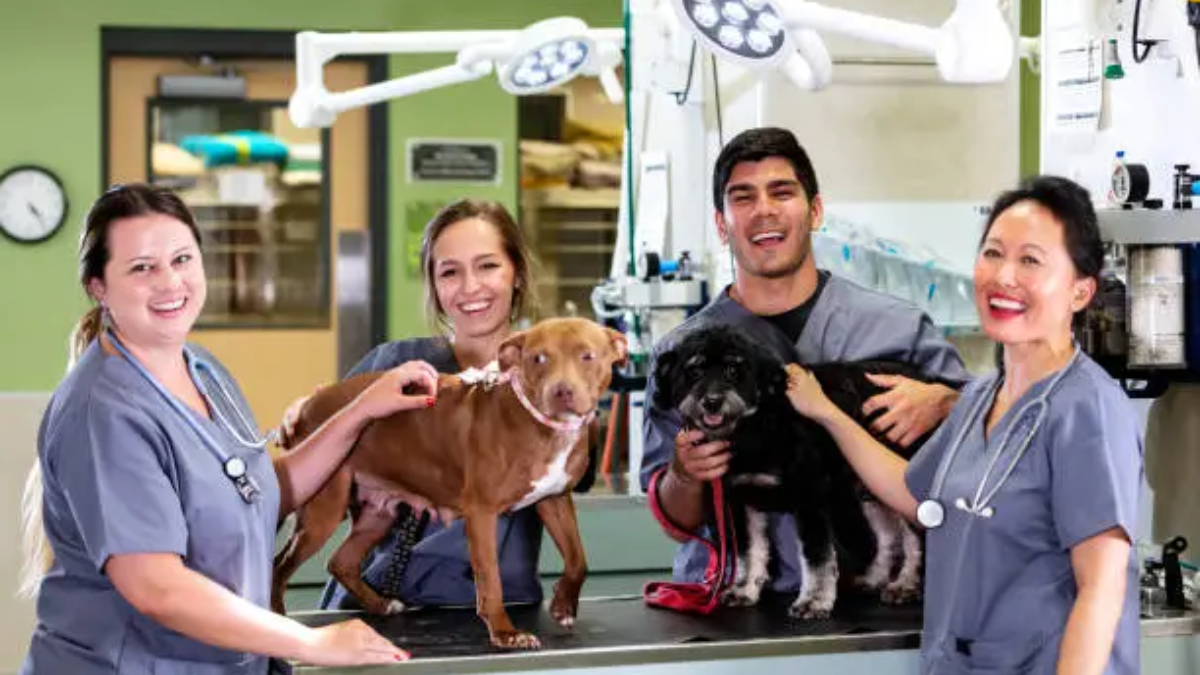
Animal hospitals quietly carry rescue work on their backs. You see the pets who make it home. You often do not see the long nights, tight budgets, and hard choices behind each wag or purr. A Devonshire veterinarian and many others do more than treat broken bones or infections. They help scared animals feel safe. They guide people through hard choices about foster care and adoption. They stretch staff, supplies, and space to give each animal a real shot at a family. This support can mean the difference between life and death for dogs and cats who arrive sick, hurt, or shut down. It can also steady overwhelmed rescue volunteers and first time adopters. The next time you walk into an exam room, you are stepping into part of a rescue network that holds many lives together.
1. They give emergency care when time matters
Rescue groups often bring in animals who are hurt, sick, or starved. You see the happy ending. You rarely see the first critical hours.
Animal hospitals step in fast. They
- Stabilize broken bones and open wounds
- Control pain and prevent infection
- Provide fluids and warmth for shock or heat stress
Federal guidance from the Centers for Disease Control and Prevention shows that early treatment also protects people. Quick care lowers the risk that untreated infections spread to families, staff, or volunteers.
Without this early help, many rescued animals would not survive long enough to reach a foster home. Your choice to support local hospitals and rescues keeps this first link in the chain strong.
2. They run vaccines, tests, and spay or neuter programs
Once an animal is stable, hospitals move to routine care. This stage makes adoption safer for both pets and people.
Animal hospitals often provide rescue partners with
- Core vaccines to protect against rabies and other diseases
- Testing for heartworm, feline leukemia, and other infections
- Spay or neuter surgery to prevent more unwanted litters
The American Veterinary Medical Association explains that spaying and neutering surgery reduces some behavior problems and helps control stray animal numbers. That makes each adoption more stable. It also cuts the strain on shelters that already run at full capacity.
When you adopt from a rescue that works with a trusted hospital, you often bring home a pet who has already received these services. This saves you money. It also gives you clear health records from day one.
3. They support foster families and adopters with clear guidance
Rescued animals carry scars you cannot always see. They may fear loud sounds, sudden moves, or simple things like food bowls.
Animal hospitals guide you through these first weeks. They
- Explain behavior that comes from fear or past harm
- Set simple feeding and exercise plans
- Teach you how to handle house training or litter box trouble
This support prevents many returns to shelters. A short talk with a veterinarian can ease worry and prevent a rushed decision to give up a pet. That protects the animal and your family.
Hospitals also help foster parents. Clear instructions on medicine, wound care, or special diets make foster homes safer places for healing.
Animal hospitals do not only provide medical care. They often act as community hubs for rescue work.
Hospitals may
- Host weekend adoption events
- Display photos and stories of adoptable pets in the lobby
- Offer meeting space for rescue planning or training
These simple acts place rescued animals in front of more people. They also lend trusted voices to rescue efforts. When a veterinarian stands beside a rescue worker and explains an animal’s needs, many people feel more prepared to adopt.
Staff also share stories with kindness and honesty. They explain the hard parts of rescue without blame. That truth builds respect for the work and trust in the process.
5. They track health data that strengthens rescue programs
Behind every success story sits a quiet stack of records. Animal hospitals document each visit, vaccine, and treatment. Rescue groups use this information to plan smarter and protect more lives.
Hospitals help rescues by keeping track of
- Common injuries seen in local stray animals
- Seasonal patterns of disease
- Costs for typical rescue cases
This data guides grant requests, supply orders, and foster training. It shows where prevention can work. It also supports public health planning when patterns suggest wider risks.
How hospital support changes outcomes
The table below shows how access to hospital support can change results for a typical rescue group. Numbers are sample figures used for comparison.
| Measure | Rescue without strong hospital support | Rescue with strong hospital support |
|---|---|---|
| Average medical cost per rescued animal | $450 | $300 |
| Adoption rate within 3 months | 55% | 80% |
| Return to shelter within first year | 20% | 8% |
| Average shelter stay length | 90 days | 45 days |
| Animals turned away for medical reasons | 25% | 10% |
Lower costs come from shared supplies and planned care. Higher adoption rates and fewer returns come from strong medical records, clear guidance, and early behavior support.
How you can strengthen this rescue network
You can help this quiet partnership between animal hospitals and rescue groups grow stronger. You can
- Adopt from rescues that work closely with local hospitals
- Keep your pet’s vaccines and spay or neuter status current
- Support low-cost clinic days that serve shelters and the public
- Offer to foster animals who need short-term medical follow-up
Every step protects both animals and people. It honors the unseen labor in exam rooms and kennels. It also creates more true homes for pets who once had nothing.