

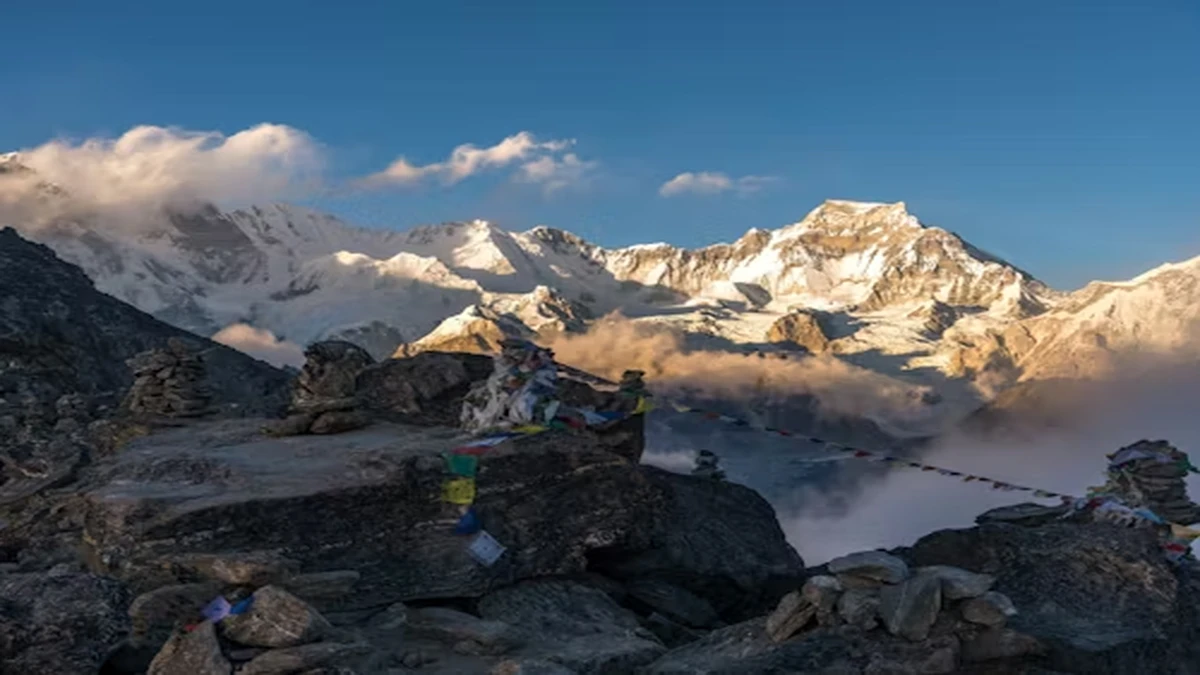
Timing is the single most critical decision you will make when planning a journey to the foot of the Savage Mountain. Unlike other world-class trekking circuits that offer multiple seasons, the window for a successful K2 Base Camp Trekking expedition is exceptionally narrow and unforgiving. The Karakoram does not welcome visitors year-round; it is a realm of extreme weather where winter’s grip is absolute and summer’s thaw is brief. Choosing the right moment to venture into this high-altitude wilderness is not just a matter of comfort, but of safety and the overall success of your expedition. This guide delves into the seasonal nuances, inherent risks, and unparalleled rewards of timing your ultimate mountain adventure.
The Prime Season: Summer in the Karakoram (June-August)
The only realistic and safe period for a K2 Base Camp Trekking journey is during the short but glorious Karakoram summer. From June to August, the high mountain passes become accessible, the glaciers are relatively stable, and the weather, while always unpredictable, offers the highest probability of clear skies and manageable conditions. This is the season when the region comes alive, not just with trekkers but with the world’s most elite climbers aiming for the summits of K2, Broad Peak, and the Gasherbrums.
The Peak of Perfection: Trekking in July
July is universally regarded as the absolute best month for a K2 Base Camp Trekking expedition. It represents the sweet spot, offering the most optimal balance of stable weather, long daylight hours, and the clearest mountain views. By July, the winter snowpack has sufficiently melted to make the trail on the Baltoro Glacier more defined, yet the intense heat of late summer has not yet turned the ice into a maze of slush and meltwater channels. The reward of trekking in July extends beyond the weather; you will share the trail and Concordia with international climbing expeditions, offering a fascinating glimpse into the world of high-altitude mountaineering and a vibrant, bustling atmosphere at the base of the world’s second-highest peak.
The Edges of Summer: June and August
Trekking on the fringes of the peak season presents a trade-off of risks and rewards. June, the start of the season, offers the reward of quieter trails and a more pristine landscape, with the mountains still draped in a heavy coat of winter snow. However, the risks are colder temperatures, particularly at night, and a greater chance of encountering deep snow on the upper glacier and high passes, which can make progress slower and more strenuous. Conversely, August remains a very popular and solid choice, with generally stable weather. The primary risk in late August is that the glacier surface can become more broken and unstable after weeks of summer melt, making navigation more complex. The days also begin to shorten, heralding the swift approach of autumn.
The Shoulder Seasons: A Gamble for the Adventurous
Venturing into the Karakoram outside the core summer months is a significant gamble. While the shoulder seasons of spring and autumn offer their own unique beauty in the lower valleys, they are fraught with risk and uncertainty for anyone attempting a high-altitude K2 Base Camp Trekking itinerary.
Spring’s Awakening (March-May): A Time of Preparation, Not Trekking
Spring in the Karakoram is a season of dramatic transformation in the lower valleys, with apricot blossoms and vibrant green fields. However, for the high mountains, it is still very much winter. The Baltoro Glacier and the high passes remain buried under a deep, unconsolidated snowpack, making them impassable and extremely avalanche-prone. Spring is a time of preparation for the upcoming season, not a time for active K2 Base Camp Trekking. Any trekking during this period is restricted to the lower-altitude valleys around Skardu.
Autumn’s Golden Farewell (September-November): A Race Against Winter
Early September can be a magical time in the Karakoram. The summer crowds have departed, the air is crisp and clear, and the lower valleys are adorned with the golden hues of autumn. This is the primary reward for the late-season trekker. However, the risks increase exponentially with each passing week. Temperatures plummet, the first significant snows of winter can arrive without warning, and the window for a safe return can close rapidly. Most tour operators conclude their K2 Base Camp Trekking season by mid-September at the latest, as trails become hazardous and services shut down.
The Off-Season: Winter’s Unforgiving Grip (December-February)
To be unequivocally clear, winter K2 Base Camp Trekking is not a viable or safe option for commercial or private trekking groups. The Karakoram in winter is one of the harshest environments on Earth. Temperatures at altitude can drop below -40°C, snowfall is immense, and the region is completely inaccessible. The trail is buried, the passes are closed, and the risk of avalanches is extreme. Winter expeditions are the exclusive domain of a handful of the world’s most hardened professional mountaineers attempting winter summits, not for trekking.
Choosing the right season is about mitigating risk, not eliminating it. The Karakoram is a wild and dynamic environment where objective dangers are ever-present, even during the peak summer months.
The Invisible Threat: Altitude Sickness
Regardless of the month you choose, the most significant and persistent risk on any K2 Base Camp Trekking expedition is Acute Mountain Sickness (AMS). With the majority of the trek taking place above 4,000 metres and the highest point reaching over 5,100 metres, the threat of altitude-related illness is constant. A slow, carefully planned itinerary with built-in rest days for acclimatisation is the single most important safety factor, far more critical than the external weather conditions.
The Power of the Mountains: Weather and Environmental Hazards
Even in the stability of July, the mountains create their own weather. Sudden storms can blow in with little warning, bringing snow and high winds. Objective hazards such as rockfall from the steep valley walls and the constant, subtle movement of the glacier underfoot are a daily reality. Avalanches, though less common on the main trail in summer, can and do occur. A successful trek requires not just good planning but a healthy respect for the immense power of the environment you are entering.
Weighing the Risks Against the Unforgettable Rewards
Understanding the risks is crucial, but they must be weighed against the profound rewards that make this trek a life-altering experience.
The Ultimate Reward: Scenery, Solitude, and Success
The reward for navigating the challenges of a K2 Base Camp Trekking journey is nothing short of spectacular. It is the reward of standing at Concordia, the “Throne Room of the Mountain Gods,” surrounded by a pantheon of the world’s most awe-inspiring peaks. It is the profound sense of accomplishment that comes from completing one of the planet’s most demanding and remote treks. It is the experience of true wilderness and solitude in an increasingly crowded world.
Making the Right Choice for Your K2 Trek
Ultimately, the best time for your trek depends on your personal priorities. For the first-time visitor seeking the highest chance of success and the most stable conditions, July is the undeniable choice. For those with more experience who are willing to accept colder temperatures for quieter trails, late June offers a compelling alternative. For those seeking solitude and autumnal colours and who understand the risks, the first two weeks of September could be an option. Whichever window you choose, partnering with a reputable operator who understands the seasonal dangers and rhythms of the Karakoram is the most important step towards a safe and successful K2 Base Camp Trekking adventure.
 Prime Star
  Sky Bloom IT