

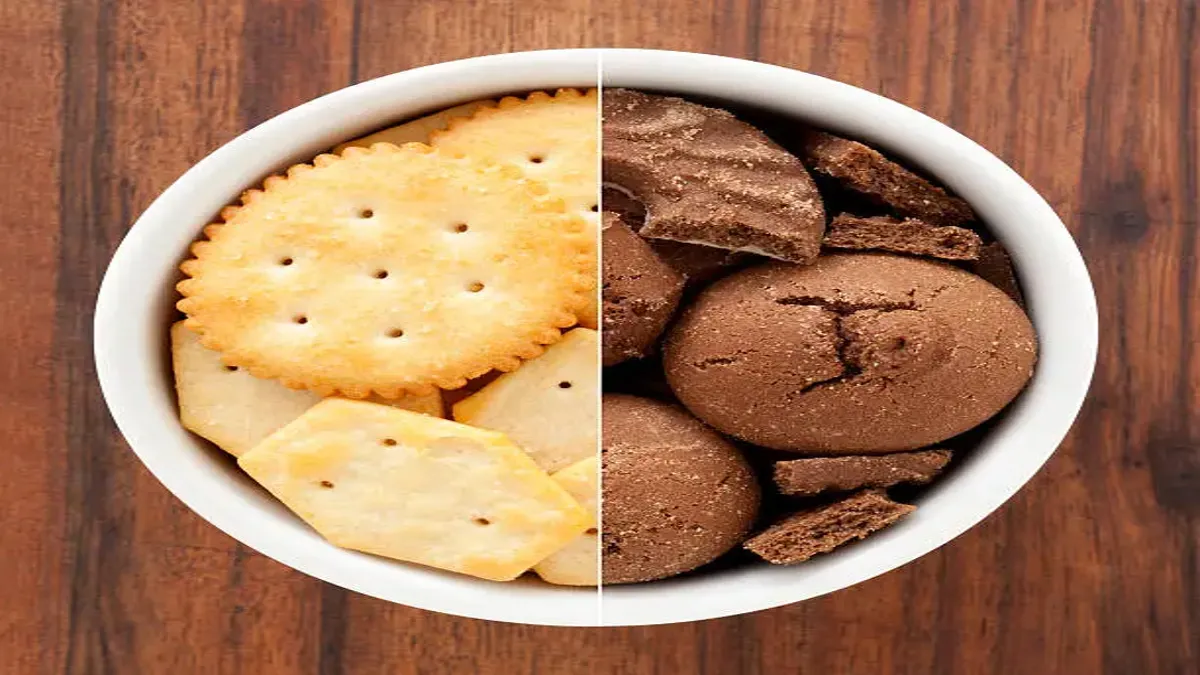
| Summary: This article decodes the “cookie versus biscuit” debate by examining their etymological roots, chemical compositions, and textures. It contrasts the Dutch-derived, chewy cookie with the twice-baked, crisp Latin biscuit. Additionally, it explores regional naming quirks and common pairings, highlighting how moisture levels and baking methods differentiate these popular treats across various global and cultural contexts. |
Settling the Cookie-Biscuit Confusion
We’ve all stood in the pantry, reaching for a “chocolate biscuit” only to find a “chocolate cookie” – or vice versa. This crumbly confusion spans continents, but the debate ends here. In under five minutes, we’ll decode the crisp vs chewy divide. We’ll explore regional naming quirks, pit top brands like Parle-G against Oreos, compare nutritional stats, and share the best dessert pairings. Whether you’re dunking in chai or milk, let’s settle the score once and for all.
Cookie vs Biscuit
The distinction between a cookie and a biscuit begins with their etymology: cookies derive from the Dutch koekje (small cake), while biscuits stem from the Latin bis-coctus (twice-baked). Though both share a foundation of flour, sugar, and fat, their methods and textures diverge sharply.
Cookies boast a higher moisture and fat content, resulting in a dense, chewy, and often chunky consistency.
Conversely, biscuits are baked longer to achieve a light, crisp, and dry snap.
Regional Naming & Culture: UK, US, and India
In the US, “cookie” is the catch-all term for sweet baked treats, while “biscuits” refer to savoury, flaky quick breads served with gravy.
Conversely, the UK and India use “biscuit” as the broad category for crunchy sweets, reserving “cookie” for softer, chunkier varieties like chocolate chip. Iconic examples include British Digestives, Indian Bourbons, and the universal Oreo.
| Tip: When shopping abroad, check packaging cues – look for texture descriptions to ensure you aren’t buying a savoury scone when you want a snap. |
In the Indian context, the term “biscuit” acts as a broad category for tea-time treats, whereas “cookie” is often reserved for indulgent, soft-baked varieties like chocolate chip.
What is the Difference Between a Cookie and a Biscuit?
While often used interchangeably, the choice between a cookie and a biscuit comes down to chemistry and texture.
Key Differences
| Feature | Cookie | Biscuit |
| Sweetness | Heavily sweetened | Mildly sweet or savoury |
| Texture | Soft, moist, and chewy | Crisp, dry, and crumbly |
| Shelf Life | Shorter (more moisture) | Longer (low moisture) |
| Inclusions | Chips, nuts, chunks | Cream fills or coatings |
| Fat Content | High (butter/oil) | Low to Moderate |
| Typical Size | Larger and irregular | Smaller and uniform |
| Best Pairing | Cold milk | Hot tea or coffee |
| Calories (per 10 g) | ~48–55 kcal | ~40–50 kcal |
Cookies prioritise decadence and moisture, whereas biscuits offer a sturdy, long-lasting crunch perfect for dunking.
Choose a cookie for an indulgent, chewy treat, or a biscuit for a crisp, tea-ready snack.
Cookie vs Biscuit – Picking Your Perfect Crunch
Deciding between a cookie and a biscuit really depends on what kind of “crunch” you’re looking for. Cookies are usually the stars of the show when you want something soft, chewy, and packed with treats like chocolate chips, while biscuits are thinner and crispier – making them the ultimate partners for dunking into a cup of tea. Depending on where you live, “biscuit” might mean a fancy snack for tea time; either way, they’re both absolute legends in the snack aisle. No matter if you love a crumbly shortbread or a gooey chocolate chip treat, you really can’t go wrong!
Bourbon vs Dark Fantasy – Which Is Creamier?
Determining “creaminess” comes down to filling-to-biscuit ratios. Dark Fantasy wins on texture, featuring a molten chocolate core (roughly 35-40% filling) for a rich, liquid mouthfeel. In contrast, Bourbons use a stiff cocoa buttercream (approx. 15-20%), offering a gritty, balanced sweetness.
What Are Bourbon Biscuits Made Of?
Bourbon biscuits are a classic British snack consisting of two chocolate-flavoured biscuits sandwiched with a rich cocoa crème. They are primarily made from wheat flour, sugar, and vegetable oil (typically palm). The signature dark colour and flavour come from cocoa powder.
What Are Dark Fantasy Biscuits Made Of?
Dark Fantasy biscuits are a chocolate lover’s dream, consisting of a crunchy cocoa-flavoured cookie shell with a velvety chocolate crème filling inside. The main ingredients include wheat flour, sugar, oil, and a generous amount of rich cocoa solids to give them that signature deep, dark flavour.
| Pro-Tip: Use Bourbons for tea dunking; Dark Fantasy for indulgent dessert plating. |
Are Chocolate-Filled Cookies Better Than Regular Cookies for Dessert Cravings?
Choosing the “better” cookie depends on the depth of your craving. Chocolate-filled cookies offer superior richness, delivering intense flavour and increased satiety through creamy centres that often satisfy hunger faster than standard varieties. While they excel in plating versatility – transforming into a decadent “lava” dessert when warmed – they can be slightly “heavy” on the palate. For a lighter fix, classic chocolate chip cookies remain the “dunking” gold standard with cold milk. Balance these treats by pairing filled cookies with espresso to cut the sweetness or opting for moderation.
Best Chocolate Biscuits in India
India’s chocolate biscuit market offers everything from nostalgic bites to molten luxury.
Top 5 Picks (₹10–50)
- Bourbon: Classic cocoa cream and sugar crystals; budget-friendly.
- Dark Fantasy Choco Fills: Premium, indulgent molten chocolate centre.
- Hide & Seek: Iconic chocolate chips; a nostalgic favourite.
- Sunfeast Choco Cream: Balanced sweetness and widely available.
- Unibic Choco Kiss: Refined texture; a health-conscious choice.
Available at retail stores and online (Amazon, BigBasket). For unique flavours, explore regional artisanal brands.
Are You Team Crunch or Team Chew?
Finding your favourite snack is all about what you’re craving in the moment. If you love a classic tea time, go for a crisp biscuit that holds up perfectly when dipped in a hot drink. On the other hand, if you have a real sweet tooth, a soft and chewy cookie makes an ultimate indulgent dessert.
Whether you prefer a satisfying snap or a melt-in-your-mouth texture, there is truly a perfect pick for everyone. We want to know which side you’re on in the great crunch vs. chew debate! Take a quick photo of your treat and share it with us on social media. We can’t wait to see what you’re snacking on today.
Frequently Asked Questions
Sealed cookies typically last 1–2 weeks, while biscuits remain fresh for 2–3 months due to lower moisture content.
2. Are there vegan varieties?
Yes, look for plant-based brands like TasteGood, The Cinnamon Kitchen, or vegan-friendly options from Parle and Britannia.
3. Where can I find gluten-free options?
Speciality brands like Wheafree or Lo! Foods use almond, rice, or millet flours to provide safe, wheat-free alternatives.
4. What is the best way to store them?
Keep them in an airtight container in a cool, dry place to prevent moisture from making them soggy or stale.
No-bake cookies take mere minutes to set, while simple “3-ingredient” biscuits can be prepped and baked in under 15 minutes.