

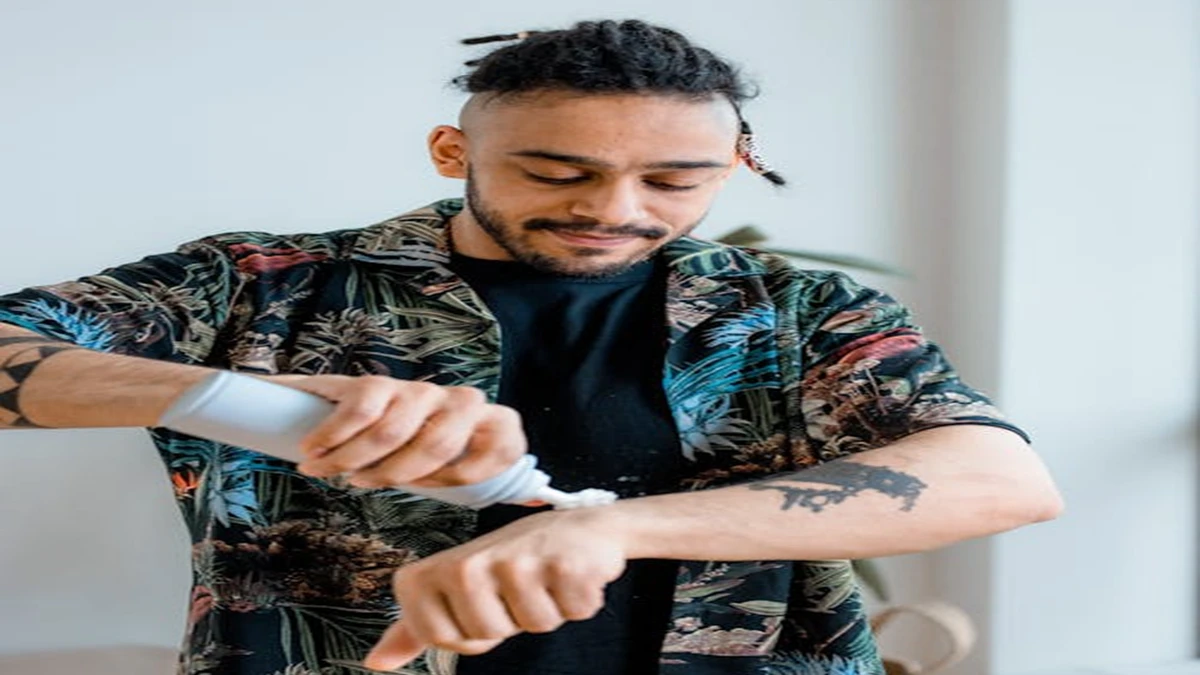
If you’ve ever wondered, “Do tattoo shops have numbing cream?” you’re not alone. Pain management is a common concern, especially if you’re getting your first piece or tackling a larger session. I’ve spent years tattooing clients across Columbus, Ohio, and I want to give you the inside scoop on what’s allowed, what’s safe, and what you should expect from your next appointment.
Let’s break down the current rules for numbing creams, how artists use them responsibly, and tips for managing discomfort while getting your dream tattoo.
Why Numbing Cream Is Popular
Tattooing is a process that involves repeatedly piercing the skin, which can cause discomfort. Topical anesthetics—commonly referred to as numbing creams—are designed to temporarily reduce pain in the area being worked on.
Clients often ask me about tattoo pain management, especially when:
- They’re getting a large tattoo
- The area is particularly sensitive (like ribs, feet, or inner arms)
- They have a lower pain tolerance
A good numbing cream can make the experience more comfortable, but it’s not a replacement for proper preparation, positioning, and professional technique.
The Current Rules Around Numbing Cream in Tattoo Shops
Not all tattoo shops use numbing cream, and usage is regulated differently depending on local laws. In Columbus, Ohio, here’s what you need to know:
- Topical anesthetics are allowed but must comply with federal and state regulations.
- Artists must understand the product they’re using, including ingredients, application methods, and any potential side effects.
- Client consultation is key. We assess allergies, skin sensitivity, and discuss whether numbing is appropriate for your session.
This means that even if a shop advertises numbing cream, the artist might choose to skip it based on safety or client suitability. The goal is always to prioritize skin health and quality results over temporary comfort.
Types of Numbing Creams Used
Not every product labeled “numbing cream” is safe or effective for tattooing. Here’s what’s typically used:
- Lidocaine-based creams: The most common, applied 20–30 minutes before the session
- Prilocaine blends: Sometimes combined with lidocaine for stronger effect
- Over-the-counter options: Less potent but still effective for mild discomfort
It’s crucial to use products specifically approved for skin application and tattooing. Avoid generic creams with unknown ingredients—they may interfere with ink retention or cause irritation.
How Artists Apply Numbing Cream
As a tattoo artist, I always make sure the application is precise:
- Clean the skin thoroughly before application
- Apply a thin, even layer only to the area being tattooed
- Allow the cream to set for the recommended time
- Remove excess to prevent any interference with tattoo ink
Applying too much or using an unapproved product can lead to skin damage or affect the tattoo’s healing process. Safety always comes first.
When to Consider Numbing Cream
Numbing cream isn’t necessary for every client or every session. Consider it if:
- You’re tackling long sessions over multiple hours
- You’re sensitive in certain areas (elbows, ribs, or inner thigh)
- You want to reduce the overall discomfort for anxiety reasons
Keep in mind that numbing cream for tattooing is just one tool. Proper hydration, good sleep, and relaxation techniques are equally important for a comfortable session.
Pain Management Without Numbing Cream
Even if a shop doesn’t use topical anesthetics, there are ways to manage pain:
- Break sessions into shorter appointments
- Stretch and move between stints to relieve muscle tension
- Focus on breathing techniques or meditative approaches
- Apply ice packs pre-session to reduce sensitivity in certain areas
Many clients find that combining these strategies with professional guidance makes the experience much more manageable.
Choosing the Right Tattoo Shop in Columbus, Ohio
Selecting a skilled, reputable shop is just as important as managing pain. Here’s what to look for:
- Clean, regulated environment: Sterile equipment and clear hygiene practices
- Experienced artists: Someone who understands skin, ink, and placement
- Transparent communication: Ability to discuss comfort, technique, and numbing options
- Portfolio and style alignment: Choose an artist whose work matches your vision
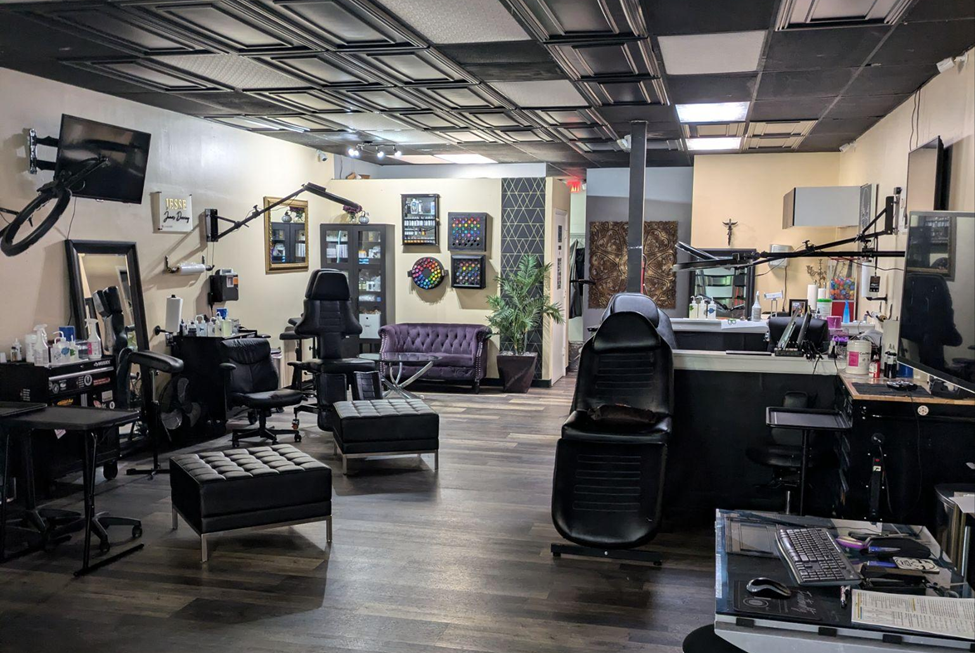
If you’re looking for a trusted option, check out a tattoo shop that prioritizes both artistry and client comfort. For those seeking intricate designs, you might explore The best tattoo shop for custom designs, where experienced artists guide you through every step of the process.
Numbing Cream Safety Tips
Even when used correctly, topical anesthetics require caution:
- Always follow product instructions
- Test a small patch of skin first
- Avoid broken or irritated skin
- Communicate any allergies or sensitivities to your artist
Remember, safety regulations are there to protect both you and the tattoo artist. Adhering to them ensures your tattoo heals beautifully.
Insider Tips from a Tattoo Artist
- Book consultations in advance: Discuss pain management options before your session.
- Be honest about your pain tolerance: This helps the artist pace the session appropriately.
- Ask about product brands: Only use approved numbing creams recommended by your artist.
- Focus on aftercare: Proper healing reduces discomfort and ensures vibrant results.
By approaching your tattoo experience with knowledge, you can enjoy the process without unnecessary anxiety.
Conclusion
So, do tattoo shops have numbing cream? The short answer is yes—but with careful regulation. In Columbus, Ohio, topical anesthetics are permitted but must be used responsibly. As your artist, my priority is always your safety, the longevity of your tattoo, and making sure the experience is as comfortable as possible.
If you’re planning your next session, consider visiting a trusted tattoo shop for guidance. And if you’re looking for complex or custom pieces, explore The best tattoo shop for custom designs to find artists who can bring your vision to life while prioritizing comfort and safety.
Remember, the right preparation, communication, and professional expertise make all the difference between a painful session and a confident, enjoyable tattoo experience.
FAQs
Q1: Are numbing creams legal in tattoo shops?
A: Yes, but usage is regulated. Artists must follow federal and state rules, choose approved products, and ensure safe application.
Q2: Will numbing cream affect my tattoo’s healing?
A: When applied correctly, it shouldn’t interfere with ink retention or healing. Using unapproved products can cause issues, so always consult your artist.
Q3: Can I bring my own numbing cream?
A: It’s best to discuss it with your tattoo artist first. Some creams may not be safe or effective for tattooing, and the artist may have preferred products.
Read: Born x Raised and Its Dedication to Local Communities
 Prime Star