

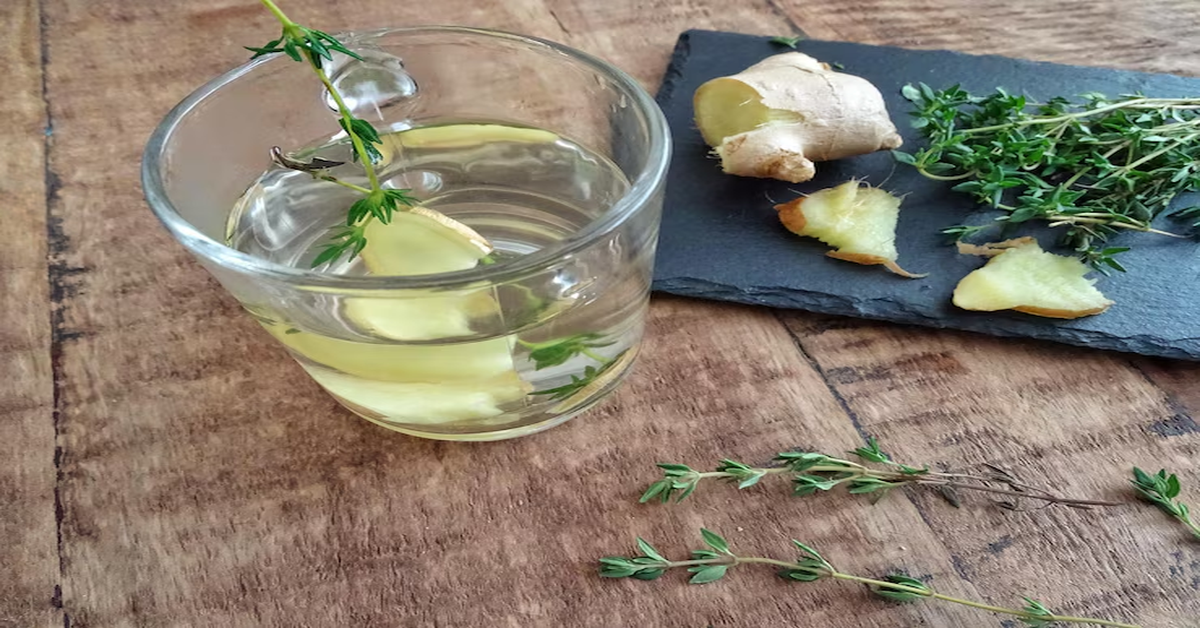
Ginger ale, a carbonated soda flavored with ginger, occupies a uniquely comforting place in global beverage culture. In the first 100 words: the drink blends the warming sharpness of ginger with lively carbonation, offering a refreshing balance of sweetness and subtle spice. For generations, people have reached for ginger ale when they wanted a gentle soda, a mixer for cocktails, or a soothing drink for mild stomach discomfort. Yet few beverages have traveled a more winding historical path.
Originating in 19th-century apothecaries, gin-ger ale began as a medicinal tonic brewed with real ginger root. Over time, it evolved into a mass-produced soda in which sweetness, clarity and consistency overtook earlier, more robust traditions. Its dual nature — part remedy, part refreshment — allowed it to thrive during Prohibition, in soda fountains, in households caring for sick children, and eventually in the global soft drink market.
Today, gin-ger ale sits at an intersection of its past and present: cherished for familiarity, studied for its roots in herbal medicine, and continually reinterpreted by craft brewers and commercial brands. Its journey offers insight into shifting tastes, modern manufacturing, and the enduring cultural appeal of ginger itself.
Early Origins and Apothecary Beginnings
Ginger ale’s earliest form emerged in the mid-1800s, when apothecaries in Ireland and the United Kingdom experimented with ginger-root tonics intended to soothe stomach ailments. The earliest popular version, later called “golden gin-ger ale,” was darker, sweeter and brewed with fermentation. This linked the drink to ginger beer, a traditionally fermented beverage that sometimes carried small amounts of alcohol.
The original golden style offered an aromatic profile built around real ginger, sugar and natural carbonation produced through fermentation. Its boldness reflected its medicinal heritage: a tonic meant to invigorate digestion while offering warmth and sweetness.
As industrialization spread across Europe and North America, these local tonics found new commercial life. Soda-water manufacturers discovered that ginger-flavored soft drinks appealed both to customers seeking relief and to those who simply enjoyed its lively flavor. By the early 20th century, a lighter “dry” version would emerge and ultimately overtake the original.
From Golden to Dry: The Rise of Modern Ginger Ale
The evolution from golden gi-nger ale to the now-dominant “dry” style marked a turning point. Dry ging-er ale, clearer in appearance and milder in flavor, aligned more closely with the preferences of emerging soft drink consumers in North America. As soda bottling expanded and refrigeration improved, this lighter style gained widespread acceptance.
The commercial success of dry gin-ger ale rested on several factors: its mildness appealed to a broad audience, its clarity signaled purity, and its consistent taste suited large-scale bottling. The drink also benefited from cultural shifts. During Prohibition and the temperance movements of the early 20th century, ginger ale — especially the dry variety — became a favored mixer, offering a non-intoxicating alternative that retained some of the complexity of fermented beverages.
With mass production, gin-ger ale ceased to resemble a brewed tonic and became instead a standardized soda. Sweeteners, carbonation, ginger flavoring and preservatives replaced fermentation, allowing manufacturers to scale production and prolong shelf life.
How Ginger Ale Is Made Today
Modern gin-ger ale generally follows one of two production styles: commercial soda manufacturing or traditional fermentation. Commercial production relies on carbonated water, sweeteners such as sugar or corn syrup, and ginger flavoring — which may come from extract, natural flavors, or aromatic compounds. Citric acid adds brightness; preservatives maintain stability; and caramel coloring may deepen the hue in golden varieties.
In contrast, traditionally brewed gin-ger ale begins with fresh ginger root, sugar and water. A “ginger bug” or small amount of yeast initiates fermentation, naturally carbonating the drink. This version often yields a more complex, spicier profile and occasionally a trace amount of alcohol, though far below intoxicating levels.
Today’s market leans heavily toward the commercial method: predictable, shelf-stable and mild. Yet interest in fermentation persists among craft brewers, home fermenters and consumers seeking beverages closer to gin-ger ale’s medicinal roots.
Comparing Ginger Ale and Ginger Beer
Gin-ger ale and ginger beer share common ancestry but diverge sharply in production, intensity and flavor. Ginger beer originated as a fermented drink using ginger root, sugar and water. Though modern ginger beers are often non-alcoholic, they retain a stronger, more pungent ginger presence.
Gin-ger ale, by contrast, is milder and generally brighter. Its carbonation is usually achieved through forced CO₂ rather than fermentation, and its sweetness levels are typically higher. The table below outlines the distinctions.
Comparison Table: Ginger Ale vs. Ginger Beer
| Category | Ginger Ale | Ginger Beer |
|---|---|---|
| Carbonation | Forced carbonation | Fermentation or forced carbonation |
| Alcohol | None | Historically present; now usually none |
| Flavor Profile | Mild, sweet, lightly spiced | Strong, pungent, robust ginger |
| Appearance | Clear to pale | Cloudy or darker |
| Primary Use | Soda, mixer, home remedy | Mixer, strong ginger flavor applications |
These differences make gin-ger ale more compatible with general consumption, while ginger beer often excels in cocktails requiring assertive ginger — such as the Moscow Mule.
Cultural Significance and Everyday Uses
Ginger ale’s appeal rests not only in its flavor but also in its cultural associations. It has long served as the beverage families reach for during mild illness — a combination of carbonation, sweetness and ginger’s reputation for digestive relief. Though commercial gin-ger ales rarely contain significant amounts of real ginger, this tradition persists across generations.
The drink also carved out a distinctive role in social settings. Its accessibility made it a staple at soda fountains, diners and holiday gatherings. Bartenders rely on ging-er ale for cocktails requiring subtle sweetness and fizz without overpowering heat. Its place in North American culture reflects a comforting neutrality: not too sweet, not too spicy, not too bold.
Whether accompanying a holiday toast or a sick day at home, gin-ger ale symbolizes familiarity — a beverage that evokes both nostalgia and relief.
Health Claims and Nutritional Realities
Ginger root has long been valued for its medicinal properties, including relief from nausea, migraine, and digestive discomfort. Scientific research supports some of these benefits. However, the connection between ginger root and gin-ger ale is complicated by production practices. Most commercial ginger ales contain only trace amounts of ginger flavoring and often rely on sugar or corn syrup as primary ingredients.
A typical serving offers calories almost exclusively from carbohydrates. Traditional brewed gin-ger ale, when made with real ginger, may provide some digestive benefits, but mass-market varieties rarely match ginger’s therapeutic potential.
This disparity fuels debates about whether gin-ger ale deserves its reputation as a soothing beverage. While its carbonation and sweetness may provide temporary comfort, genuine medicinal value depends heavily on the presence of authentic ginger — which is more likely to be found in brewed or artisanal varieties than in mainstream brands.
The Name and Its Historical Roots
The word “ale” in gin-ger ale often confuses consumers unfamiliar with its origins. In earlier centuries, ginger beverages were brewed and fermented, belonging to a family of drinks more closely related to ales and beers. As mass production transformed gin-ger ale into a soda, the name remained as a linguistic relic of its past.
This explains why gin-ger ale today contains no alcohol, despite a name that suggests otherwise. The terminology endured because consumers associated “gin-ger ale” with comfort, familiarity and refreshment — making the name as much a brand identity as a description of production methods.
Evolution Through the Decades
Below is a timeline summarizing ginger ale’s transformation from apothecary tonic to global soft drink:
Ginger Ale Historical Timeline
| Era | Development | Cultural Impact |
|---|---|---|
| Mid-1800s | Golden ginger ale brewed in apothecaries | Medicinal tonic, aromatic and fermented |
| Late 1800s | Emergence of American gin-ger ale brands | Transition toward soda fountain culture |
| Early 1900s | Development of dry ginger ale | Mass-market adoption, Prohibition popularity |
| Mid-1900s | Industrial bottling and distribution | Ginger ale becomes global household soda |
| Present | Craft and artisanal revival | Renewed interest in real ginger and fermentation |
This progression highlights ginger ale’s adaptability: a beverage capable of reinventing itself to suit evolving tastes and technologies.
Expert Commentary
“Gin-ger ale grew from its medicinal ancestry into one of the most approachable sodas because it balanced sweetness with a hint of spice.” — Food historian
“The modern commercial versions lose most of ginger’s nutritional value, but they preserve a cultural memory of ginger’s soothing qualities.” — Nutrition analyst
“Fermented ginger ale brings back the depth of flavor early drinkers would have recognized, offering complexity often absent from mass-produced versions.” — Beverage fermentation specialist
These perspectives capture the dual identity gin-ger ale has long carried: part heritage, part convenience.
Takeaways
- Ginger ale began as a medicinal ginger-root tonic brewed in apothecaries before evolving into a mainstream soda.
- Two main varieties dominate: golden gin-ger ale (darker, spicier) and dry gin-ger ale (lighter, milder).
- Commercial gin-ger ale typically contains little real ginger and relies on sweeteners and flavoring.
- Ginger beer and gin-ger ale differ significantly in production, flavor strength and history.
- The drink’s cultural role spans comfort, mixology and nostalgia, even without strong medicinal properties.
- A growing artisanal movement is reviving traditional fermented gin-ger ale.
Conclusion
Ginger ale’s story is, at its core, a narrative of transformation. What began as a handcrafted remedy infused with real ginger and fermentation slowly shifted into an industrial product celebrated for its consistency and familiarity. Its evolution mirrors broader shifts in food manufacturing, consumer preference and cultural identity.
Despite its modern limitations, gin-ger ale remains a beloved beverage — one associated with comfort, celebration and memory. Yet its roots in herbal medicine continue to echo. As interest grows in craft brewing, slow fermentation and natural ingredients, gin-ger ale is once again being revisited in forms that resemble its earliest incarnations.
Whether enjoyed as a mixer, a nostalgic soda or a carefully brewed tonic, gin-ger ale persists because of its ability to bridge past and present. Each sip carries not only refreshing fizz but also a quiet reminder of the drink’s long, winding journey from apothecary counters to modern shelves.
FAQs
1. What is the difference between golden and dry ginger ale?
Golden gin-ger ale is darker, sweeter, and spicier, closely resembling the original 19th-century brewed recipes. Dry gin-ger ale is lighter, milder, and more carbonated, developed to appeal to a broader market and better suited for commercial bottling. Today, dry gin-ger ale is far more common, while golden versions survive mainly through niche brands and artisanal producers.
2. Does ginger ale actually help with nausea or stomach discomfort?
Only ginger ale made with real ginger root has meaningful digestive benefits. Most commercial gin-ger ales contain ginger flavoring rather than actual ginger, providing comfort mostly from carbonation and sweetness rather than medicinal compounds. Traditional fermented gin-ger ale, which uses fresh ginger, offers more legitimate relief but is less widely available.
3. How is ginger ale different from ginger beer?
Ginger beer traditionally relies on fermentation and delivers a strong, pungent ginger flavor, sometimes with trace natural alcohol. Ginger ale is typically a non-alcoholic soda made with carbonated water, sweetener, and ginger flavor. Ginger beer is bolder and more aromatic, while gin-ger ale is milder, sweeter, and easier to drink casually or use as a cocktail mixer.
4. Why is it called “ginger ale” if it contains no alcohol?
Early ginger beverages were fermented tonics similar to ales and beers. When gin-ger ale transitioned into a non-alcoholic soda during mass production, the original name stayed. The word “ale” became a cultural and commercial marker rather than a literal indication of alcohol content, preserving continuity with the drink’s historical brewing roots.
5. Is traditional, fermented gin-ger ale still made today?
Yes, though far less common than commercial soda-style ginger ale. Some craft brewers, home fermenters and small-batch producers still create fermented gin-ger ale using fresh ginger, sugar, and natural yeast cultures. These versions tend to be spicier, less sweet, and closer to ginger ale’s original medicinal form than modern mass-market varieties.
References
- Bellis, M. (2019, July 3). History of ginger ale. ThoughtCo.
https://www.thoughtco.com/history-of-ginger-ale-1991780 - Britannica. (n.d.). Ginger ale. Britannica.
https://www.britannica.com/topic/ginger-ale - FoodStruct. (n.d.). Ginger ale – nutrition facts. FoodStruct.
https://foodstruct.com/food/ginger-ale - Langner, E., Greifenberg, S., & Gruenwald, J. (1998). Ginger: History and use. Journal of Ethnopharmacology.
https://pubmed.ncbi.nlm.nih.gov/10178636/ - Merriam-Webster. (n.d.). Ginger ale. Merriam-Webster Dictionary.
https://www.merriam-webster.com/dictionary/ginger%20ale - MyCocktailRecipes. (2025). How ginger ale is made: Techniques & fermentation basics.
https://mycocktailrecipes.com/blog/techniques-and-tricks/how-is-ginger-ale-made - NJ Bariatric Center. (2022). Is ginger ale considered soda?
https://www.njbariatriccenter.com/ginger-ale/ - Spice Alibaba. (2025). What is ginger ale: Ingredients & definition.
https://spice.alibaba.com/spice-basics/what-is-ginger-ale - WisdomLib. (2025). Ginger ale: Ingredients, recipes, and overview.
https://www.wisdomlib.org/ingredients/ginger-ale - Epicurious. (n.d.). Ginger beer vs. ginger ale: What’s the difference?
https://www.epicurious.com/ingredients/ginger-beer-vs-ginger-ale