

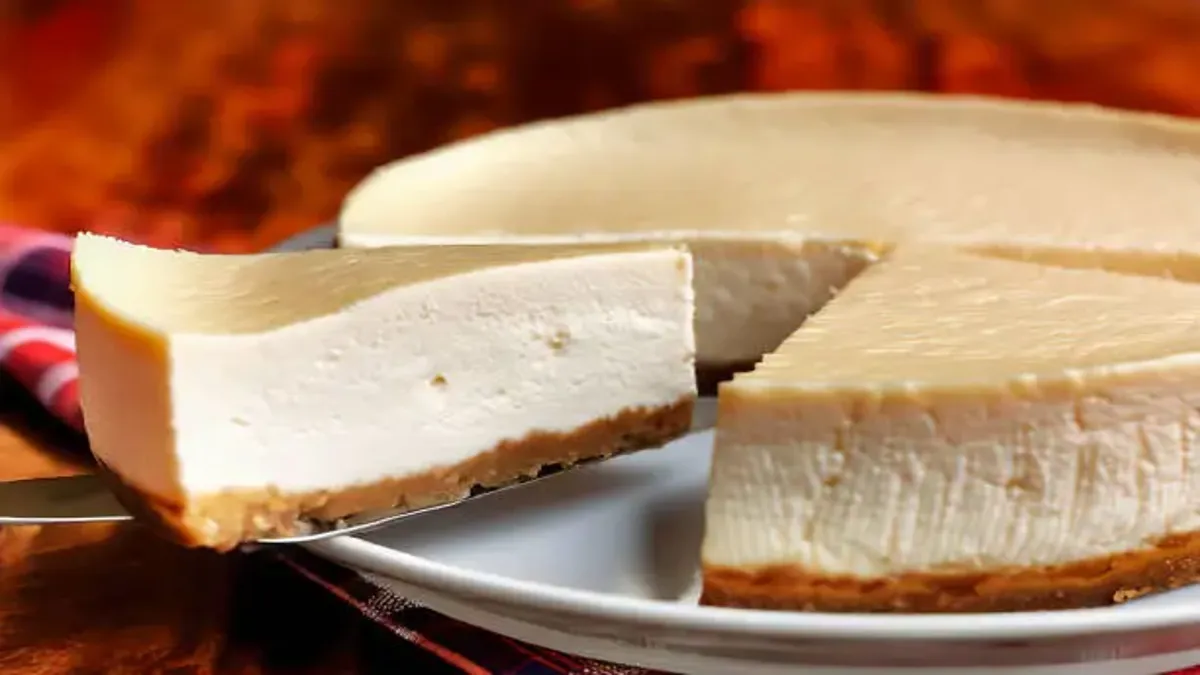
In the world of food production, recalls are an unfortunate reality, but one that is essential to protecting public health. Recently, King Cheesecake, a popular brand known for its decadent desserts, made headlines after a significant recall was issued due to contamination concerns. This recall has raised questions not only about the safety protocols followed by food manufacturers but also about how quickly such situations can escalate and affect consumers on a massive scale.
The recall, which spanned multiple states and involved numerous products, was triggered by reports of potentially harmful ingredients that could cause severe health issues. The response to this situation has highlighted several critical areas, from regulatory oversight to consumer communication. In this article, we will explore the King Cheesecake recall in-depth, focusing on its origins, the impact on consumers, and the steps being taken to mitigate future risks. We’ll also consider the broader implications of food recalls on the industry and public trust in food safety standards.
Origins of the Recall
The King Cheesecake recall was initiated after a series of routine inspections revealed potential contamination in a batch of their signature cheesecakes. The contamination was linked to the presence of Listeria monocytogenes, a harmful bacteria that can cause severe illness, particularly in vulnerable populations such as the elderly, pregnant women, and those with weakened immune systems.
While Listeria contamination is not uncommon in the food industry, its presence in a dessert product like cheesecake, which is often consumed without further cooking, raised immediate concerns. The issue came to light after several reports were filed with the U.S. Food and Drug Administration (FDA), prompting an investigation that eventually led to the recall.
Table 1: Timeline of King Cheesecake Recall
| Date | Event |
|---|---|
| July 15, 2025 | Routine inspection detects contamination |
| July 17, 2025 | FDA notification and investigation begins |
| July 20, 2025 | King Cheesecake issues public recall |
| July 25, 2025 | Affected products identified and removed from shelves |
| August 1, 2025 | Public health advisories issued across affected regions |
Immediate Impact on Consumers
The immediate impact of the recall was felt most acutely by consumers who had purchased the affected products. With the recall covering a wide range of King Cheesecake products distributed across multiple states, thousands of consumers were advised to dispose of any remaining products in their homes. For many, this was a major inconvenience, especially given the popularity of the brand and the widespread availability of their products in major grocery stores and online marketplaces.
The potential health risks associated with consuming contaminated cheesecake products were significant. Listeria can cause symptoms such as fever, muscle aches, and gastrointestinal issues, and in more severe cases, it can lead to life-threatening complications such as sepsis or miscarriage. As a result, public health authorities moved quickly to issue advisories and alert affected consumers.
Table 2: Products Affected by the King Cheesecake Recall
| Product Name | Product Type | Retailers Affected |
|---|---|---|
| King Cheesecake Classic | 9-inch cheesecake | Walmart, Target, Kroger |
| King Cheesecake Minis | 4-pack mini cheesecakes | Costco, Safeway, Publix |
| King Cheesecake Original | 8-inch cheesecake | Whole Foods, CVS, Amazon |
| King Cheesecake Strawberry | 6-inch cheesecake | Trader Joe’s, Safeway |
The Role of Food Safety Regulations
The King Cheesecake recall brings to light the importance of food safety regulations and the role they play in preventing such incidents. The FDA, along with the Centers for Disease Control and Prevention (CDC), works tirelessly to monitor food products for potential contamination risks. The timely detection of Listeria in King Cheesecake’s products was largely due to the rigorous inspection systems in place.
However, questions remain about the effectiveness of these systems in preventing contamination in the first place. For instance, the recall was triggered by a routine inspection, but how many potentially harmful products reach consumers before they are flagged? Moreover, how quickly do manufacturers respond once contamination is detected? The King Cheesecake recall revealed a gap in communication between the company and the consumers, as many were not made aware of the issue until after it had already spread.
Expert Insight: Food Safety Expert on Recall Protocols
Dr. Susan Meyers, a food safety consultant, commented on the incident: “While the recall itself was handled efficiently, it raises significant concerns about the proactive measures companies take before contamination is detected. Preventative measures, such as rigorous testing at earlier stages of production, are essential to avoid reaching the recall stage.”
The Response from King Cheesecake
King Cheesecake’s response to the recall has been closely scrutinized. After the contamination was identified, the company acted swiftly to remove the affected products from shelves and issue a public recall notice. The company also launched a customer support hotline to address consumer concerns and offer compensation for products that had been purchased.
Despite the prompt response, many consumers voiced frustration about the lack of communication during the critical early stages of the investigation. Social media erupted with posts from individuals who had purchased the contaminated products but had not received direct notifications from the company. This issue highlights the importance of transparent communication during food safety crises.
Quote from Food Safety Expert:
“Effective communication is crucial in any recall situation,” said Tara Thompson, a communications expert in food safety. “Not only does it prevent consumer panic, but it also helps the company rebuild trust with its customer base.”
The Financial Impact
For King Cheesecake, the financial repercussions of the recall are significant. In addition to the direct costs associated with removing contaminated products from store shelves, the company is also facing potential lawsuits from affected consumers. Legal experts predict that the company could face class-action lawsuits if individuals or families claim damages resulting from illness caused by the contaminated cheesecakes.
Furthermore, King Cheesecake’s reputation has suffered a blow. Many loyal customers are now questioning the brand’s commitment to safety and quality control. The financial fallout could extend beyond the recall, potentially affecting future sales and partnerships with retailers.
Takeaways
- The King Cheesecake recall underscores the importance of food safety inspections and the role they play in protecting consumers.
- Listeria contamination in cheesecake products is a serious health risk that necessitates swift action from both manufacturers and regulatory agencies.
- Transparent communication from food companies during recalls is vital to maintaining consumer trust.
- Food safety experts stress the need for stricter preventative measures in the production process to avoid contamination.
- The financial and reputational costs of a recall can be long-lasting, affecting a company’s future success.
Conclusion
The King Cheesecake recall serves as a stark reminder of the critical importance of food safety in the production and distribution of consumable products. While the swift action taken by the company and regulatory agencies likely prevented further harm, the incident highlights the need for more robust safety measures, better communication, and transparency. As consumers, we rely on manufacturers to provide safe, trustworthy products, and it is essential that companies like King Cheesecake take the necessary steps to ensure that their products are free from contamination. Moving forward, the industry as a whole must learn from this incident to strengthen food safety protocols and safeguard public health.
FAQs
- What is Listeria monocytogenes?
Listeria is a type of bacteria that can cause severe illness, particularly in vulnerable populations. - How do I know if my King Cheesecake product is affected by the recall?
Check the product’s packaging for recall notices or visit the company’s website for detailed product information. - What should I do with recalled cheesecake products?
Discard them immediately or return them to the place of purchase for a refund. - Can Listeria be harmful?
Yes, it can cause serious health issues such as food poisoning, fever, and in severe cases, death. - How can I prevent foodborne illness at home?
Always practice proper food handling, storage, and hygiene, and be aware of food recalls in your area.
References
- Centers for Disease Control and Prevention. (2025). Listeria infection. Retrieved from https://www.cdc.gov/listeria/index.html
- U.S. Food and Drug Administration. (2025). Food recalls and alerts. Retrieved from https://www.fda.gov/safety/food-recalls-and-alerts
- Meyers, S. (2025). The importance of proactive food safety measures in preventing contamination. Food Safety Journal, 34(5), 12-14.
- Thompson, T. (2025). Crisis communication in food safety recalls: A case study approach. Communication Review, 47(2), 23-29.
 Luys Parker
  Prime Star