

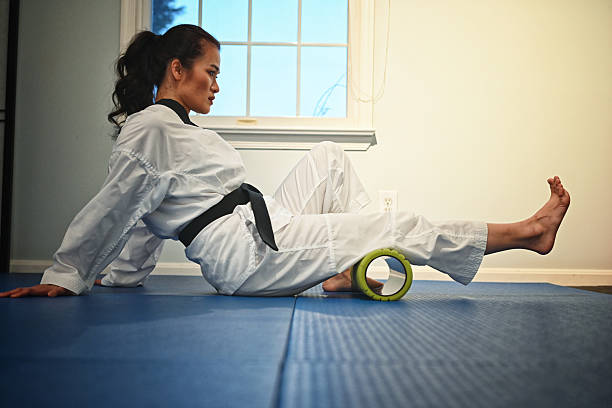
Introduction to Matsize
Matsize refers to the physical dimensions of a mat, including its length, width, thickness, and sometimes shape. While it may appear to be a simple measurement concept, matsize plays a critical role in determining comfort, safety, durability, and aesthetic appeal across various applications. From yoga studios and gyms to industrial workplaces, homes, sports arenas, vehicles, and commercial spaces, selecting the correct matsize ensures optimal performance and functionality.
In many cases, people focus on material quality or design while overlooking dimensions. However, even the highest-quality mat can fail to perform effectively if its size does not match the intended use. A mat that is too small may provide insufficient coverage, while one that is too large may disrupt layout harmony or create storage challenges. Therefore, understanding matsize requires evaluating space requirements, purpose, user comfort, and environmental factors in a comprehensive manner.
This detailed guide explores the concept of matsize across multiple industries and applications, offering insights into standards, customization options, benefits, material compatibility, measurement techniques, and emerging trends. By the end of this article, you will have a thorough understanding of how to select the most suitable matsize for any environment.
Understanding the Components of Matsize
When discussing matsize, it is important to consider three primary components: length, width, and thickness. In some cases, shape and edge design also influence functional dimensions.
1. Length
Length determines how much longitudinal coverage the mat provides. For example, in fitness applications, the mat’s length must accommodate the user’s full body during exercises such as stretching, planks, or lying poses. In industrial settings, length determines how much floor area is protected or cushioned.
2. Width
Width impacts lateral movement space. For yoga or exercise mats, sufficient width allows users to move arms and legs freely without stepping off the mat. For entrance mats, width must align with door frames to ensure effective dirt capture.
3. Thickness
Thickness significantly affects comfort and support. Thin mats offer stability and portability, while thicker mats provide cushioning and shock absorption. In industrial or anti-fatigue applications, thickness reduces pressure on joints and muscles during prolonged standing.
4. Shape and Edges
While rectangular mats are common, circular, square, runner-style, and custom-shaped mats are also available. Beveled edges are often used in industrial mats to prevent tripping hazards.
Standard Matsizes by Category
Different applications require different standard dimensions. Below is a detailed comparison of typical matsizes used in various settings.
| Category | Standard Length | Standard Width | Typical Thickness | Primary Purpose |
|---|---|---|---|---|
| Yoga Mat | 68–72 inches | 24 inches | 4–6 mm | Stretching & yoga |
| Extra-Long Yoga Mat | 74–84 inches | 24–30 inches | 5–8 mm | Tall users |
| Gym Exercise Mat | 72–78 inches | 24–36 inches | 10–15 mm | Fitness workouts |
| Door Mat | 18–48 inches | 30–72 inches | 5–10 mm | Dirt control |
| Anti-Fatigue Mat | 24–72 inches | 18–36 inches | 12–20 mm | Workplace support |
| Area Floor Mat | 3×5 ft to 9×12 ft | Varies | Thin–Medium | Interior décor |
| Sports Mat | Custom large | Custom | 20–50 mm | Athletic protection |
These sizes are general guidelines. Manufacturers may vary dimensions slightly depending on design and target users.
Matsize in Fitness and Wellness
Fitness environments demand precision in matsize selection because user comfort and injury prevention are top priorities. A yoga practitioner requires a mat long enough to support head-to-toe alignment. Taller individuals benefit from extended mats to avoid stepping beyond the mat’s boundaries during poses.
Gym mats, especially those used for high-impact exercises, need sufficient thickness to absorb shock. A standard home workout mat may measure approximately 72 inches in length and 24 to 36 inches in width. However, professional training facilities often use modular interlocking mats that can be assembled into larger surfaces, covering entire rooms.
The table below illustrates matsize considerations for fitness users based on height.
| User Height | Recommended Mat Length |
|---|---|
| Under 5’6” | 68 inches |
| 5’6”–6’0” | 72 inches |
| Over 6’0” | 74–84 inches |
Selecting appropriate matsize in fitness not only enhances comfort but also improves balance and stability during movements.
Matsize in Residential Interior Design
In interior design, matsize influences both aesthetics and functionality. Area mats anchor furniture arrangements and define spaces within rooms. An incorrectly sized mat can make a room feel disjointed or cramped.
For living rooms, designers often recommend mats large enough to accommodate at least the front legs of sofas and chairs. Dining room mats should extend beyond the table to ensure chairs remain on the mat when pulled out.
Below is a general reference for room-based matsize selection:
| Room Type | Suggested Matsize |
|---|---|
| Small Living Room | 5×8 ft |
| Medium Living Room | 8×10 ft |
| Large Living Room | 9×12 ft |
| Dining Room (6 seats) | 8×10 ft |
| Bedroom (Queen Bed) | 8×10 ft |
Proportional balance is key. Oversized mats may overwhelm smaller rooms, while undersized mats can appear visually insignificant.
Matsize in Commercial and Industrial Settings
Commercial and industrial environments require mats that enhance safety and productivity. Entrance mats must be long enough to allow multiple footsteps for effective dirt removal. Anti-fatigue mats should match workstation dimensions to reduce strain during prolonged standing.
Industrial mats typically feature thicker profiles to withstand heavy equipment and foot traffic. For example, a workstation mat may measure 36×72 inches with 15 mm thickness, providing cushioning across the entire standing area.
Proper matsize selection in workplaces improves employee comfort, reduces injury risk, and enhances operational efficiency.
Custom Matsize Solutions
Standard matsizes meet general needs, but certain scenarios demand customization. Businesses may require mats that fit unique floor layouts or incorporate branding elements. Custom matsize solutions allow flexibility in dimensions, shapes, and designs.
Advantages of Custom Matsize
- Precise fit for irregular spaces
- Enhanced branding opportunities
- Tailored safety coverage
- Optimized performance for specialized tasks
However, custom mats may involve higher costs and longer production times.
| Feature | Standard Mats | Custom Mats |
|---|---|---|
| Cost | Moderate | Higher |
| Delivery Time | Quick | Extended |
| Design Options | Limited | Flexible |
| Fit Precision | General | Exact |
Factors Influencing Matsize Selection
Selecting the correct matsize requires careful evaluation of several factors:
Space Measurement
Accurate measurement prevents mismatches. Use measuring tools to determine available floor area and ensure proper clearance around furniture or equipment.
User Needs
Consider body size, movement range, and intended activities. For example, stretching exercises require full-body coverage, while entry mats prioritize doorway width.
Traffic Volume
High-traffic areas may require larger mats to manage dirt and moisture effectively.
Storage and Portability
If portability is important, select matsizes that can be rolled or folded conveniently.
Safety Requirements
Industrial and sports mats must meet safety standards for coverage and thickness.
Material Compatibility with Matsize
The larger the matsize, the more important material strength becomes. Certain materials maintain structural integrity better in large dimensions.
| Material | Best For | Durability in Large Sizes |
|---|---|---|
| Rubber | Industrial, gym | High |
| PVC | Fitness, commercial | Moderate–High |
| Foam | Yoga, exercise | Moderate |
| Natural Fiber | Decorative | Moderate |
| Carpet Blend | Entrance mats | High |
Large mats require materials resistant to curling, sagging, and edge wear.
Benefits of Choosing the Correct Matsize
Selecting the appropriate matsize offers numerous advantages. Proper dimensions improve comfort, prevent injuries, enhance aesthetic harmony, and extend product lifespan. In commercial environments, well-sized mats reduce cleaning costs and increase safety compliance.
Additionally, correct matsize ensures efficient use of space. It allows for smooth movement, organized layouts, and balanced visual appeal. Over time, this contributes to better user satisfaction and reduced replacement expenses.
Measuring Matsize Accurately
Accurate measurement is essential before purchasing a mat. Follow these steps:
- Measure length and width of the intended area.
- Consider clearance for doors, furniture, or equipment.
- Account for expansion or contraction in certain materials.
- Double-check measurements before finalizing order.
Precision prevents costly errors and ensures seamless installation.
Future Trends in Matsize Design
Modern living and working environments are evolving, influencing matsize innovation. Modular mats allow flexible configurations, adapting to changing room layouts. Foldable and expandable mats support space-saving needs in urban apartments.
Smart mats embedded with sensors for fitness tracking are emerging, potentially influencing standard dimensions. Sustainable materials are also shaping design trends, with eco-friendly mats gaining popularity.
As technology advances, matsize customization may become more accessible, enabling users to design mats tailored precisely to their needs.
Conclusion
Matsize is far more than a basic measurement; it is a critical factor influencing comfort, safety, efficiency, and aesthetics across diverse applications. Whether selecting a yoga mat, industrial anti-fatigue mat, decorative area mat, or commercial entrance mat, understanding dimensions ensures optimal performance.
By evaluating space requirements, user needs, material strength, and intended purpose, individuals and businesses can make informed decisions. Proper matsize selection enhances daily experiences, prevents injuries, and contributes to long-term value.
In a world where environments are becoming increasingly dynamic, choosing the correct matsize remains a foundational step in creating functional and harmonious spaces.
click here for more blogs posts
Frequently Asked Questions (FAQs)
1. What is the most common matsize for yoga practice?
The standard yoga matsize is approximately 68–72 inches long and 24 inches wide.
2. How do I determine the correct matsize for my living room?
Measure the seating area and select a mat that fits proportionally under furniture for visual balance.
3. Are thicker mats always better?
Not necessarily. Thickness should match activity type, balancing cushioning and stability.
4. Can mats be customized to specific dimensions?
Yes, many manufacturers offer custom matsize options for specialized applications.
5. Does matsize affect safety in workplaces?
Yes, proper matsize ensures full coverage of work areas, reducing fatigue and preventing slips.
3 messages remaining.Upgrade to Plus to keep the convers
 Sky Bloom IT