

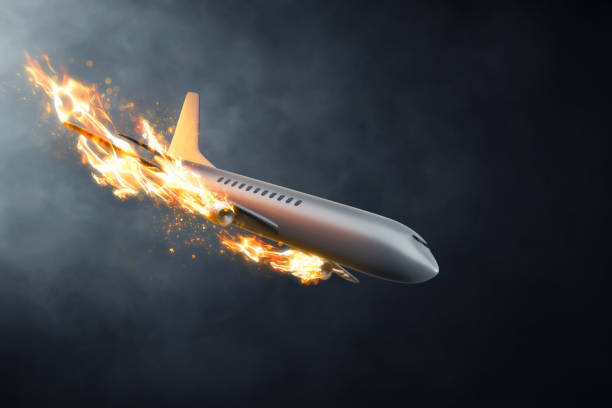
A plane crash is an aviation accident involving an aircraft, often resulting in significant damage to the aircraft and, in some cases, injury or loss of life. Plane crashes are among the most dramatic and widely publicized accidents, largely because of their rarity compared to other forms of transportation and their potentially catastrophic outcomes. Despite this, aviation remains one of the safest modes of travel, with advanced technology, stringent regulations, and robust safety measures minimizing the risk of accidents. Understanding plane crashes involves examining multiple factors, including technical failures, human error, environmental conditions, and procedural lapses.
Plane crashes can occur during takeoff, mid-flight, or landing and often involve complex interactions between mechanical systems, pilot decisions, air traffic control, and weather conditions. Studying crashes provides critical insights that drive improvements in aircraft design, operational procedures, and aviation regulations worldwide.
Causes of Plane Crashes
Plane crashes are rarely caused by a single factor. Most accidents result from a combination of human, mechanical, and environmental influences. The main categories of causes include:
Human Error
Human error is a leading factor in plane crashes, accounting for approximately 50–60% of aviation accidents. Errors can occur at various levels:
- Pilot Error: Misjudgment, miscommunication, or failure to respond to emergency situations.
- Air Traffic Control Mistakes: Misinterpretation of flight paths or incorrect instructions can lead to collisions or dangerous maneuvers.
- Maintenance Oversights: Improper maintenance or failure to detect mechanical issues can cause critical failures during flight.
Human error highlights the importance of training, standardized procedures, and cockpit automation to reduce accidents.
Mechanical Failures
Mechanical or technical issues contribute to roughly 20–25% of plane crashes. Common mechanical problems include:
- Engine failure
- Hydraulic system malfunction
- Landing gear issues
- Electrical or avionics system failure
Airlines perform routine inspections and maintenance to minimize mechanical risks, but unexpected failures can still occur due to manufacturing defects, component fatigue, or undetected damage.
Environmental Factors
Weather and environmental conditions significantly affect flight safety. Environmental causes include:
| Environmental Factor | Effect on Aircraft Safety |
|---|---|
| Thunderstorms | Severe turbulence, lightning strikes |
| Fog or Low Visibility | Difficult navigation, runway approach challenges |
| Icing | Accumulation on wings, affecting lift and control |
| Wind Shear | Sudden changes in wind speed and direction |
| Bird Strikes | Engine or windshield damage leading to accidents |
Pilots rely on meteorological data, onboard sensors, and air traffic guidance to mitigate these risks, yet sudden weather changes can challenge even experienced crews.
Sabotage and External Factors
Although rare, sabotage, terrorism, or missile strikes have caused some crashes. Historical incidents show that intentional acts, whether politically motivated or criminal, necessitate rigorous security measures in aviation. Enhanced airport security, passenger screening, and monitoring systems aim to reduce the likelihood of such events.
Types of Plane Crashes
Plane crashes can vary depending on the phase of flight and circumstances. Common types include:
- Takeoff Crashes: Occur during initial ascent; often caused by engine failure, runway overruns, or pilot miscalculation.
- Mid-Air Collisions: Rare but catastrophic; usually due to miscommunication or radar errors.
- Landing Accidents: Runway overruns, hard landings, or poor weather conditions contribute to accidents during approach or landing.
- Controlled Flight Into Terrain (CFIT): When an aircraft unintentionally flies into terrain due to navigational errors or poor visibility.
- Runway Excursions: Aircraft veers off the runway due to braking issues, weather, or pilot error.
Understanding these categories helps aviation authorities prioritize safety measures for each flight phase.
Investigating Plane Crashes
Investigation of plane crashes is critical for preventing future incidents. Authorities like the National Transportation Safety Board (NTSB) in the United States or the International Civil Aviation Organization (ICAO) globally follow structured protocols:
Initial Response
- Securing the crash site
- Assisting survivors
- Collecting preliminary data
Data Collection
Investigators analyze:
- Flight Data Recorders (Black Box): Records speed, altitude, and control inputs.
- Cockpit Voice Recorders: Provides insights into pilot decisions and communication.
- Wreckage Analysis: Examines mechanical failures or structural damage.
- Weather Reports: Determines environmental factors contributing to the crash.
Reporting and Recommendations
After analysis, investigators release detailed reports highlighting causes and preventive measures. Recommendations often include:
- Design improvements
- Procedural changes
- Training enhancements
- Regulatory updates
Safety Measures in Aviation
Modern aviation employs multiple layers of safety to reduce crash risk:
| Safety Measure | Description |
|---|---|
| Redundant Systems | Backup engines, electrical, and hydraulic systems |
| Advanced Navigation | GPS, autopilot, and collision avoidance systems |
| Pilot Training | Simulator exercises, emergency protocols, regular tests |
| Maintenance Standards | Scheduled inspections and component replacement |
| Air Traffic Control | Real-time flight monitoring and traffic management |
| Weather Monitoring | Early warning systems for storms, wind, and turbulence |
These measures ensure aviation remains one of the safest transportation modes despite occasional crashes.
Psychological Impact on Survivors and Families
Plane crashes have profound psychological effects:
- Survivors: May experience PTSD, survivor guilt, anxiety, or phobias related to flying.
- Families: Emotional trauma, grief, and prolonged mourning.
- Communities: Crashes often leave lasting societal impressions due to media coverage and public interest.
Support systems such as counseling, survivor groups, and mental health services are essential for recovery and coping.
Notable Plane Crashes in History
Studying past crashes provides lessons for aviation safety:
| Year | Flight/Location | Cause | Casualties |
|---|---|---|---|
| 1977 | Tenerife Airport | Runway collision | 583 |
| 1985 | Japan Airlines 123 | Mechanical failure | 520 |
| 2001 | American Airlines 11 | Terrorism (9/11) | 92 |
| 2009 | Air France 447 | Pilot error and weather | 228 |
| 2014 | Malaysia Airlines MH370 | Disappearance, cause undetermined | 239 |
Each incident influenced regulatory changes, safety protocols, and technological advancements in aviation.
Preventive Strategies and Modern Innovations
Aviation continuously evolves to prevent crashes:
- Next-Generation Air Traffic Control: Uses satellite-based tracking to reduce mid-air collisions.
- Enhanced Cockpit Automation: AI-assisted monitoring systems detect anomalies before human error occurs.
- Predictive Maintenance: Sensors analyze engine health in real time, preventing mechanical failures.
- Crash-Resistant Aircraft Design: Materials and structures engineered to withstand impact and increase survivability.
- Passenger Safety Programs: Briefings, emergency exits, and accessible safety equipment improve survival rates.
Myths and Misconceptions About Plane Crashes
Despite their severity, plane crashes are rare, yet myths persist:
- Myth 1: Crashes are common. Reality: Air travel is statistically safer than cars or trains.
- Myth 2: Turbulence causes crashes. Reality: Modern aircraft withstand severe turbulence.
- Myth 3: Plane crashes are always fatal. Reality: Many survive due to design and safety protocols.
- Myth 4: Flying at night is riskier. Reality: Safety is consistent regardless of time.
- Myth 5: Smaller planes crash more. Reality: Safety depends on maintenance, pilot skill, and conditions.
Education and awareness reduce fear and promote informed decision-making among travelers.
Global Aviation Safety Standards
International aviation authorities establish rules to ensure safety:
| Organization | Role |
|---|---|
| ICAO | Sets international safety standards |
| FAA | Oversees US aviation regulations |
| EASA | Regulates European aviation safety |
| IATA | Provides operational safety guidelines |
| NTSB | Investigates accidents in the US |
Compliance with these standards ensures globally consistent safety, training, and operational practices.
Conclusion
Plane crashes, while dramatic and sometimes tragic, remain statistically rare due to advanced safety measures, rigorous training, and continuous innovation in aviation technology. Understanding the causes, from human error to mechanical failures and environmental factors, helps aviation authorities, pilots, and passengers take preventive actions. Investigations provide insights that save lives, while modern innovations continue to make flying safer. Despite public perception, air travel remains a highly reliable and secure mode of transportation, with lessons from past accidents guiding a safer future for global aviation.
FAQs
Q1: What is the main cause of plane crashes?
A1: Human error is the leading cause, often combined with mechanical failures or environmental factors.
Q2: Are plane crashes common?
A2: No, air travel is one of the safest modes of transportation, with crashes being extremely rare.
Q3: How are plane crashes investigated?
A3: Authorities analyze black boxes, wreckage, weather data, and pilot communication to determine causes.
Q4: Can passengers survive a plane crash?
A4: Yes, many passengers survive due to modern aircraft design, safety measures, and emergency procedures.
Q5: What technologies prevent plane crashes?
A5: GPS navigation, autopilot, collision avoidance systems, predictive maintenance, and advanced cockpit automation all help prevent accidents.