

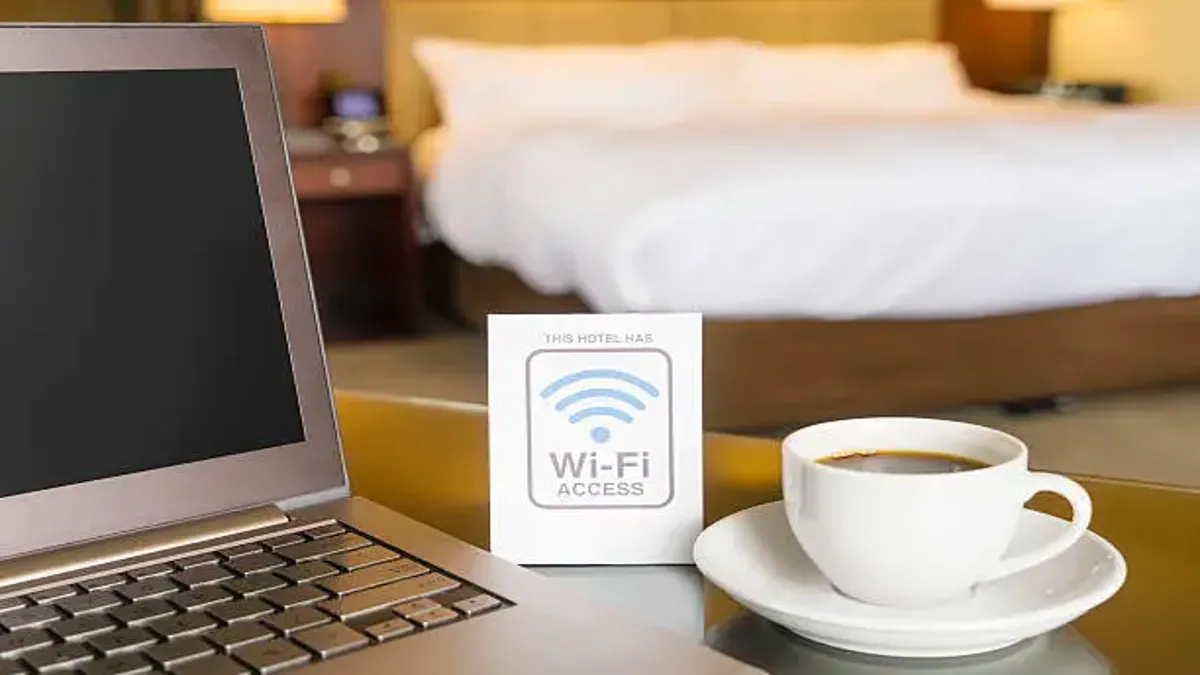
In 2025, Wi-Fi is no longer just an amenity – it’s a key factor in guest satisfaction. The one question guests ask isn’t about breakfast or check-in times – it’s now “What’s the password for the Wi-Fi?” Reliable internet in hotel settings is as essential as access to running water. Whether your property caters to business travelers, remote workers, families, or visitors, fast and secure Wi-Fi can make or ruin their stay.
Hotel internet services are evolving faster than ever before. Guests demand more speed, better security, and more convenience. And hotels leading these Wi-Fi trends are the ones succeeding with enhanced reviews, repeat bookings, and higher guest satisfaction.
So, let’s break down the top 9 hotel Wi-Fi trends that will shape hospitality in 2025, and how your hotel can stay ahead of the curve.
1. Wi-Fi as a Core Part of Guest Experience
Wi-Fi isn’t optional anymore – it’s expected. Business travelers want to join Zoom calls, families stream Netflix, and leisure guests upload Instagram stories without buffering. Slow internet in hotels can make a great hotel stay feel kind of disappointing. Modern hotel internet services today are all about providing uninterrupted, consistent speed to multiple devices at once. Even in busy lobbies or conference rooms, connectivity has to stay solid.
2. Wi-Fi 6 and Wi-Fi 6E for Higher Speed and Capacity
Older Wi-Fi networks can struggle when multiple devices connect simultaneously. Wi-Fi 6 and Wi-Fi 6E offer higher speeds, reduced latency, and better handling of dense device traffic. This is especially important in common areas such as lobbies, conference rooms, or restaurants, where many guests connect at once.
Hotels adopting these technologies are better prepared to meet guest expectations and reduce network congestion.
3. Passwordless Connections with Passpoint Technology
Conventional login processes slow down the guest experience. Passpoint (Hotspot 2.0) technology allows devices to connect and remember each connection after the initial login. Guests enjoy immediate, secure access with no password entry each time, while hotels make it simpler to manage networks.
4. Tiered Bandwidth Options
Guests have different connectivity needs. By offering tiered bandwidth – regular for light browsing, premium for watching videos, and topmost priority for corporate users – hotels can ensure a consistent experience while also refraining from overloading the networks. In addition, this approach also presents new revenue streams, especially in business hotels.
5. Enhanced Cybersecurity Measures
Wi-Fi security is paramount, particularly when visitors make sensitive transactions online. Modern hotels are implementing:
- Network segmentation to disconnect guest traffic from internal networks
- Firewalls and encrypted connections
- Device-level authentication
Hotel Wi-Fi providers like Spectra incorporate built-in security measures, helping hotels maintain safe networks without requiring extensive in-house IT resources.
6. Managed Wi-Fi Services
In-house management of hotel Wi-Fi can be challenging, particularly for small properties. Managed Wi-Fi services look after design, monitoring, maintenance, and support. Advantages are 24/7 monitoring, quicker issue resolution, and guaranteed performance supported by SLAs – allowing hotel staff to concentrate on guest service rather than technical issues.
7. Smart Room Integration
The rise of smart hotel rooms – including automated lighting, climate control, smart TVs, and voice assistants – depends on strong Wi-Fi coverage. Poor connectivity can make these features frustrating instead of impressive. Ensuring consistent network performance throughout the property is essential for modern guest expectations.
8. Data-Driven Insights from Wi-Fi
Wi-Fi for hotels can be used to deliver actionable insights if handled responsibly. Data can help hotels understand:
- Guest movement patterns
- Peak usage times
- Popular areas for dining or leisure
These results support business enhancement, focused promotions, and improved guest experience, giving hotels a competitive edge.
9. Seamless Coverage Across the Property
Dead spots in the rooms, pools, and conference rooms can annoy guests. Mesh networks and other access points are costing hotels more to ensure seamless coverage in every corner and crevice of the property, from lobby to outdoor spaces. This increased coverage facilitates both operational efficiency and guest satisfaction.
Why Modern Hotel Wi-Fi Matters
Investing in a strong internet in hotel environments is not only about convenience, but it has a direct impact on guest satisfaction, repeat business, and online reviews. The upgrade of networks, embracing Wi-Fi 6, utilizing managed hotel internet services, and expanding coverage can revolutionize a hotel’s digital experience.
Operators such as Spectra are facilitating hotels by integrating these solutions with high-speed fibre, advanced security, and managed services that can ensure connectivity meets both guest expectations and operational effectiveness.
Conclusion: Make Wi-Fi a Priority
In 2025, Wi-Fi for hotels is no longer just an added amenity – it’s a core part of the guest experience. Hotels that adopt modern trends like Wi-Fi 6, managed services, tiered bandwidth, and seamless coverage can provide faster, more secure, and reliable connectivity. This keeps guests happy, reduces complaints, and supports smooth hotel operations, from smart rooms to efficient staff workflows.
For hotels seeking to upgrade, selecting the right hotel Wi-Fi providers is essential. Providers like Spectra provide high-speed, secure, managed solutions that ensure consistent internet performance. Step into the future today – evaluate your existing Wi-Fi infrastructure, discover innovative solutions, and ensure your hotel provides the seamless connectivity guests expect.
 HoneyLinkers
  admin
admin