

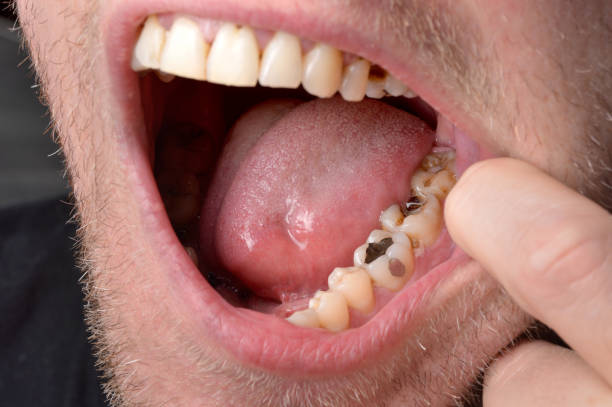
A cavity is a damaged area on a tooth that develops into a small hole or opening over time. It is one of the most common dental concerns affecting people of all ages, and its appearance can vary depending on the stage of decay, the location on the tooth, and individual oral health habits. Many people assume that cavities are always visible as dark holes, but in reality, they can look very different during early development compared to advanced stages. Recognizing what a cavity looks like can help individuals seek treatment sooner and prevent more serious dental problems.
Cavities form when bacteria in the mouth break down sugars from food and drinks, producing acids that gradually wear away the tooth’s protective enamel. As the enamel weakens, small changes in the tooth’s surface begin to appear. These changes may start as subtle discoloration or roughness before progressing into visible pits, cracks, or holes. Understanding these visual cues is essential for maintaining oral health and avoiding complications such as pain, infection, or tooth loss.
This detailed guide explains how cavities appear at different stages, how to identify early warning signs, and how to distinguish cavities from other tooth issues. It also explores prevention strategies and treatment options to support long-term dental health.
Early Signs of a Cavity
Subtle Changes in Enamel
In the earliest stage, a cavity may not look like a hole at all. Instead, it often appears as a small white or chalky spot on the tooth surface. This occurs when minerals are lost from the enamel due to acid exposure. These spots may be difficult to notice without proper lighting or a dental examination, but they signal that the enamel is weakening.
As the condition progresses, the white spot can turn light brown or yellow. The surface may feel slightly rough when touched with the tongue. At this stage, the damage is still reversible with proper oral care and fluoride treatments. However, if left untreated, the decay will continue to deepen.
Mild Sensitivity
Although not always visible, sensitivity can accompany early cavities. Individuals may notice discomfort when consuming cold, hot, or sweet foods. This sensitivity occurs because the enamel is thinning, allowing stimuli to affect the inner layers of the tooth.
Recognizing these early signs can prevent the cavity from worsening. Regular dental checkups help detect these subtle changes before they become more serious.
What a Cavity Looks Like in Different Stages
Enamel Demineralization
In the first stage, the cavity appears as a small white or dull spot on the tooth. This spot indicates mineral loss in the enamel. There is usually no hole yet, and the tooth’s surface remains intact. However, the area may look less shiny than the surrounding enamel.
Enamel Decay
As decay progresses, the white spot darkens to brown or black. The enamel begins to break down, forming a small pit or groove. This is when the cavity becomes more noticeable. The tooth may look slightly damaged or uneven.
Dentin Decay
When decay reaches the dentin layer beneath the enamel, the cavity becomes larger and darker. The dentin is softer than enamel, so the hole can expand more quickly. At this stage, the cavity may appear as a visible dark opening on the tooth surface.
Pain and sensitivity often increase because the dentin contains tiny tubules that connect to the tooth’s nerve. The tooth may look chipped or worn around the cavity.
Pulp Involvement
In advanced stages, decay reaches the pulp, the innermost part of the tooth containing nerves and blood vessels. The cavity may appear very large and dark, sometimes with visible damage to the tooth structure. Swelling or discoloration around the tooth may also occur.
This stage often causes severe pain and requires immediate dental treatment, such as a root canal or extraction.
Visual Characteristics of Cavities
The appearance of a cavity can vary depending on its location and severity. The table below summarizes common visual characteristics.
| Stage | Appearance | Color | Texture | Sensation |
|---|---|---|---|---|
| Early | White or chalky spot | White | Smooth or slightly rough | Mild sensitivity |
| Moderate | Small pit or groove | Brown or yellow | Rough | Increased sensitivity |
| Advanced | Visible hole | Dark brown or black | Soft or crumbly | Pain and discomfort |
| Severe | Large damaged area | Dark with possible swelling | Broken or hollow | Severe pain |
Cavities in Different Areas of the Mouth
Front Teeth
Cavities on front teeth often appear as small dark spots near the edges or between teeth. Because these teeth are more visible, discoloration may be noticeable early. In some cases, the cavity may look like a tiny line or stain rather than a hole.
Back Teeth (Molars)
Molars are more prone to cavities due to their grooves and pits, which can trap food particles. Cavities here often appear as dark spots or holes in the chewing surfaces. They may be harder to detect without a mirror or dental examination.
Between Teeth
Cavities between teeth are difficult to see with the naked eye. They may appear as faint shadows or discoloration near the contact points. Dental X-rays are often needed to detect these cavities early.
Along the Gumline
Cavities near the gumline can appear as dark lines or patches where the tooth meets the gums. These areas may look slightly recessed or damaged. Gum sensitivity and bleeding may accompany these cavities.
Causes of Cavities
Cavities develop due to a combination of factors that contribute to enamel breakdown. Understanding these causes helps prevent future decay.
| Cause | Explanation | Impact |
|---|---|---|
| Poor oral hygiene | Infrequent brushing and flossing | Allows plaque buildup |
| Sugary foods | Frequent sugar consumption | Feeds cavity-causing bacteria |
| Acidic drinks | Soft drinks and juices | Weakens enamel |
| Dry mouth | Reduced saliva | Less protection for teeth |
| Genetics | Enamel strength varies | Increased susceptibility |
How to Identify a Cavity at Home
While professional dental exams are the most reliable way to detect cavities, some signs can be observed at home. Using a mirror and good lighting, individuals may notice discoloration, small holes, or rough spots on teeth. Sensitivity when eating or drinking can also indicate a developing cavity.
However, not all cavities are visible. Some develop between teeth or beneath the surface. Regular dental checkups ensure early detection and treatment.
Preventing Cavities
Prevention is the most effective way to maintain healthy teeth. Good oral hygiene and lifestyle habits play a significant role in preventing cavities.
Daily Oral Care
Brushing teeth twice a day with fluoride toothpaste helps remove plaque and strengthen enamel. Flossing removes food particles and plaque from between teeth. Using mouthwash can provide additional protection.
Healthy Diet
Reducing sugar intake and choosing tooth-friendly foods supports oral health. Crunchy fruits and vegetables stimulate saliva production, which helps neutralize acids. Drinking water throughout the day also helps rinse away food particles.
Regular Dental Visits
Routine dental checkups allow professionals to detect cavities early. Professional cleanings remove plaque and tartar buildup. Dentists may also apply fluoride treatments or sealants to protect teeth.
Treatment Options for Cavities
Treatment depends on the stage of the cavity. Early cavities may be reversed with fluoride treatments and improved oral care. Moderate cavities require fillings to restore the tooth. Advanced cavities may need crowns, root canals, or extractions.
Prompt treatment prevents further damage and preserves the tooth structure. Ignoring cavities can lead to infections and more complex procedures.
Psychological and Social Impact
Cavities can affect more than just physical health. Visible decay may impact confidence and self-esteem. Pain and discomfort can also affect daily activities such as eating and speaking. Addressing cavities early helps maintain both physical and emotional well-being.
Long-Term Dental Health
Maintaining healthy teeth requires consistent care and awareness. Recognizing what a cavity looks like empowers individuals to take action before problems worsen. With proper hygiene, regular dental visits, and a balanced diet, cavities can often be prevented or treated effectively.
Conclusion
A cavity can appear in many forms, from subtle white spots to visible dark holes. Understanding these visual and physical signs helps individuals recognize problems early and seek appropriate care. By maintaining good oral hygiene, making healthy dietary choices, and visiting the dentist regularly, it is possible to prevent cavities and protect long-term dental health. Awareness and proactive care are key to keeping teeth strong, functional, and pain-free.
FAQs
1. What color is a cavity usually?
Cavities can be white, yellow, brown, or black depending on the stage of decay and severity.
2. Can a cavity look like a stain?
Yes, early cavities may resemble stains or discoloration before developing into holes.
3. Do cavities always hurt?
Not always. Early cavities may be painless, but advanced ones often cause sensitivity or pain.
4. Can cavities be reversed?
Early-stage cavities can sometimes be reversed with fluoride and proper oral care.
5. How can I tell if I have a cavity between teeth?
Cavities between teeth are hard to see and usually require a dental exam or X-ray for detection.
 Prime Star