

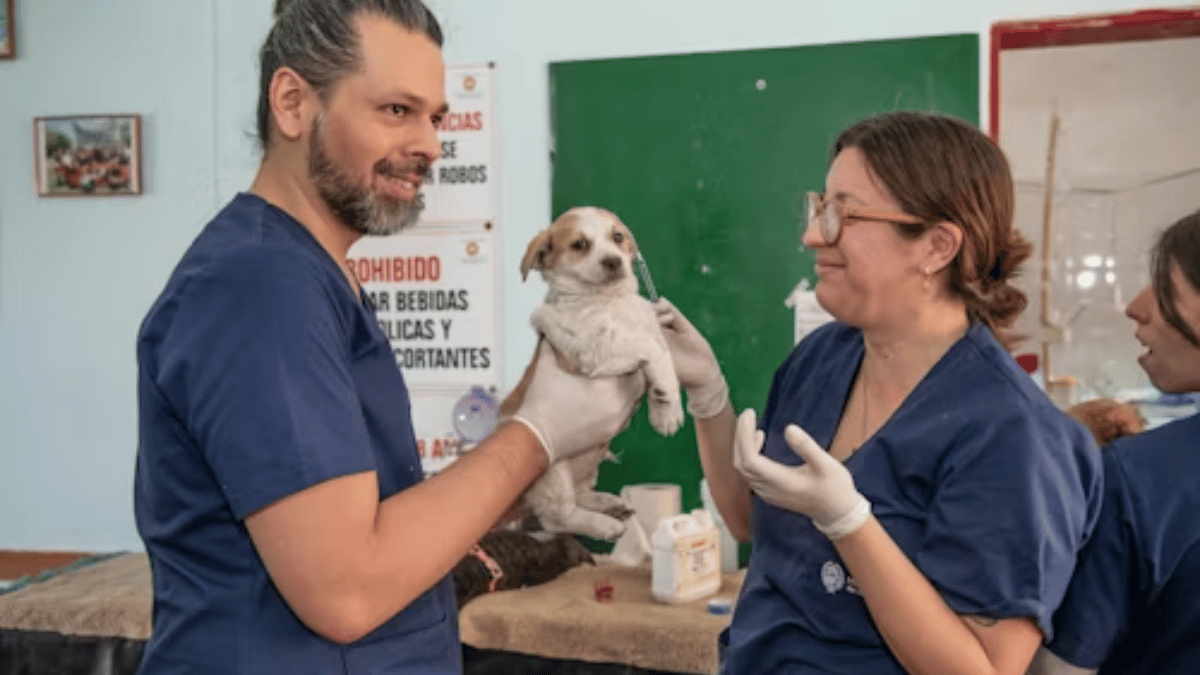
When your pet is sick or hurt, you feel fear, confusion, and urgency all at once. You want clear answers. You want to know what is happening and what to do next. That is why animal hospitals focus so much on client education and awareness. You are part of your pet’s care team. Your choices at home shape recovery, comfort, and safety. Clear teaching helps you spot early warning signs, give medicine the right way, and prevent many emergencies. It also helps you weigh hard choices about tests, surgery, or long term treatment. Every animal hospital in Alexandria, VA that takes your trust seriously will spend time explaining risks, options, and costs in plain language. This is not extra. It is core medical care. When you understand what is going on, your pet gets better care, you feel less helpless, and small problems are less likely to grow.
Your pet spends a short time in the clinic. The rest of the time your pet is with you. That simple fact shapes everything. The team can diagnose, treat, and monitor for a few hours. Then you carry the plan at home.
You need three things to do that well.
- Clear steps to follow
- Plain words for what is wrong
- Warnings that tell you when to call for help
Without those pieces, strong medical skill in the clinic loses power. A missed dose, skipped follow up, or late response to a new symptom can undo days of work. Honest teaching prevents that loss.
Education turns fear into action
Fear is common in pet care. You fear losing your pet. You fear high bills. You fear making a bad choice. Silence makes that fear heavier. Simple teaching gives you control.
You gain three forms of control.
- You know what to watch for at home
- You know how to give medicine and care
- You know when to seek urgent help
That control reduces panic. It also protects your pet from slow, hidden problems. For example, the U.S. Food and Drug Administration explains flea and tick product safety in clear terms. When your veterinary team shares this kind of guidance with you, you avoid unsafe products and dosing errors that can poison your pet.
Why animal hospitals teach before, during, and after visits
Education is not one talk at the end of a visit. Strong hospitals build it into each step. You see this in three key moments.
- Before a visit, through reminders and clear instructions
- During an exam through open questions and plain language
- After a visit through written plans and follow-up calls or messages
Each moment has a different goal. Before the visit, the goal is preparation. During the visit, the goal is to make shared decisions. After the visit, the goal is safe follow-through at home.
How education improves real health outcomes
Client education is not about being nice. It changes health outcomes you can measure. When you understand what to do, you are more likely to finish treatment, return for checks, and use preventives on time.
The table below shows common tasks at home and how education shapes success.
| Home task | With clear education | Without clear education |
|---|---|---|
| Giving daily medicine | Most doses given on time. Side effects caught early. Fewer relapses. | Doses missed or stopped early. Condition returns or worsens. |
| Post surgery care | Incision stays clean. Pet activity stays limited. Fast healing. | Pet jumps, licks, or pulls stitches. Infections and extra visits. |
| Weight control | Clear feeding guide. Planned exercise. Slow, steady weight loss. | Random diet changes. Little progress. Higher risk for diabetes. |
| Parasite prevention | Correct product, dose, and schedule. Lower risk of heartworm and Lyme disease. | Missed doses. Wrong product. Ongoing exposure to parasites. |
| Chronic disease care | Regular checks. Home tracking of signs. Longer stable periods. | Late response to flare-ups. More crises and emergency visits. |
Each row reflects one truth. Knowledge at home changes the path of disease.
Trusted sources support what your veterinarian explains
Your veterinary team often points you to trusted online sources. That choice is deliberate. Random searches can lead to myths that hurt your pet. Clear sources prevent that harm.
For example, the Centers for Disease Control and Prevention’s Healthy Pets, Healthy People pages explain how pets and people share germs. When your veterinarian walks through this information with you, you learn how hand washing, litter box care, and tick checks protect both your family and your pet.
Education from clinics and trusted public sources works together. Your veterinarian explains how general guidance fits your pet. You then use that combined knowledge in daily life.
What strong client education looks like in practice
You can recognize a strong teaching culture in three quick ways during a visit.
- The team invites your questions and waits for you to finish speaking
- The doctor explains problems and options in short, clear sentences
- You leave with written instructions that match what you heard
You should also feel free to repeat back what you heard. This simple step exposes confusion before you leave. A good team welcomes this and corrects any gaps without judgment.
How you can take an active role
You do not need medical training to be an effective partner. You only need a plan for each visit. Three simple actions help.
- Bring a written list of your pet’s signs and any questions
- Ask what you should watch for at home and when to call
- Request written dosing charts and clear follow up dates
You can also ask the team to show you how to give medicine, clean ears, or check teeth. A short in person lesson can prevent painful mistakes later at home.
Education builds trust that lasts
Client education is more than information. It is a promise. The promise is simple. You will never be left alone in the dark with a sick pet and no plan.
When an animal hospital keeps that promise, three things happen over time. You trust the team. Your pet gains steady care. Your stress during each health scare eases. That is why strong hospitals invest time in teaching. Your knowledge is part of your pet’s treatment.