

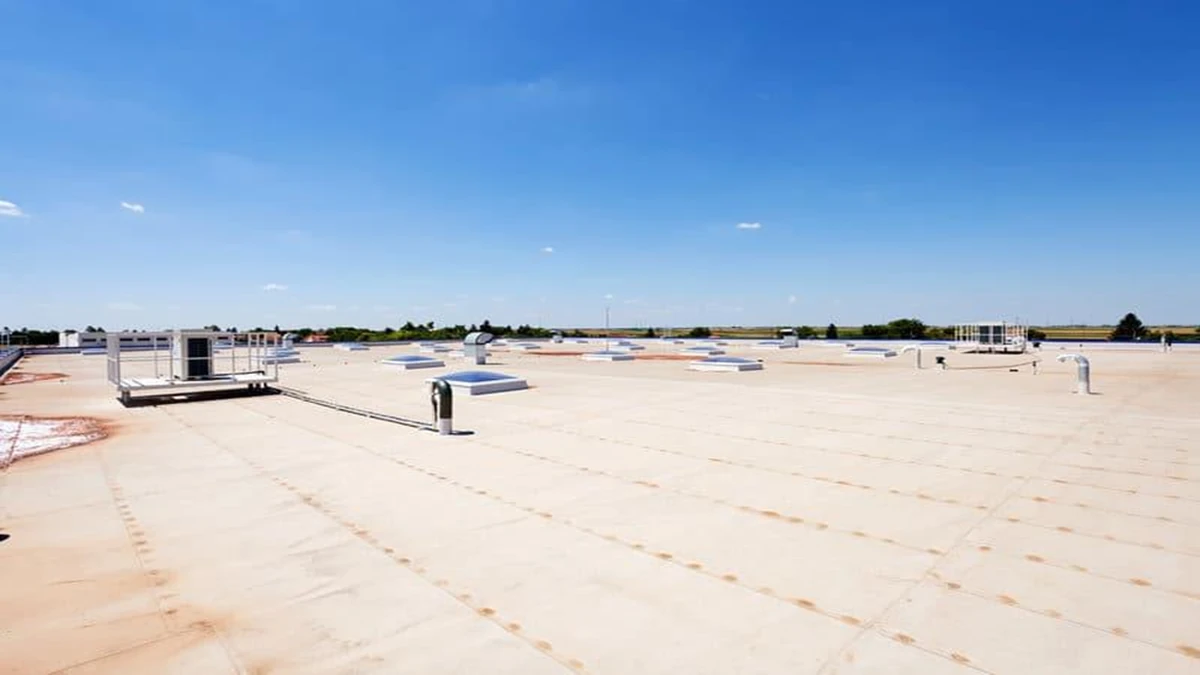
Owning property in Colorado comes with spectacular mountain views, fresh air, and a climate that inspires an active lifestyle. It also comes with weather conditions that test a roof every season. From steep temperature swings to hail events, snow-packed winters, and high-altitude UV exposure, your roof carries a heavy workload year-round. That reality makes your choice of a roofing professional far more important than many homeowners and business owners realize.
Hiring licensed Colorado roofers is one of the best financial decisions you can make for your home or commercial building. Whether you are managing a busy storefront, overseeing a rental property, or caring for your family home, the quality of your roof affects everything from energy efficiency to long-term maintenance costs. When the work is done correctly by qualified professionals, you gain protection, stability, and confidence that your investment is secure.
This article explores the many reasons why choosing the right roofing specialist matters, how it reduces the risks associated with repairs and replacements, and what benefits you gain when relying on trained experts who understand Colorado’s unique climate and building requirements.
The Importance of Choosing Qualified Professionals
One of the first advantages of hiring properly trained specialists is the assurance that the work is done according to industry standards. Roofing is not a DIY-friendly trade. It involves safety, structural knowledge, understanding of local building codes, and precise installation practices. Working with someone who lacks the skills or qualifications can lead to leaks, ventilation problems, and structural concerns that are not always obvious right away. These issues often reveal themselves months or years later, long after the person you hired has moved on.
This is why many property owners in Colorado turn to the best commercial roofing contractors in Colorado when looking for knowledgeable, reputable professionals. Putting your project in the hands of experts reduces costly risks and ensures the work is completed with careful attention to detail.
Licensed professionals undergo training, testing, and ongoing education, giving them the technical foundation to recognize potential issues before they worsen. This proactive approach plays a major role in extending roof life and preventing premature replacements.
Understanding Local Regulations and Building Codes
Colorado has strict building codes to ensure safety and performance. Roofs must withstand high winds, heavy snow loads, and dramatic temperature changes. A licensed specialist understands these requirements and applies them throughout every stage of the project.
Knowledge of specific Colorado regulations includes:
• Proper underlayment for snowy regions
• Ice and water barrier placement
• Ventilation requirements that reduce moisture buildup
• Flashing techniques that prevent leaks in vulnerable areas
• Appropriate fastening methods and materials
Hiring someone without this understanding increases the chances of a failed inspection or hidden problems that compromise the structure. Even a small misstep can lead to water intrusion or poor ventilation. The cost of fixing these mistakes far outweighs the savings of choosing a cheaper, unqualified worker.
A qualified professional ensures every step aligns with state standards, which means fewer issues, greater safety, and long-term stability for the structure.
Why Expertise Matters in a Climate as Demanding as Colorado
Unlike many parts of the country, roofs in Colorado face unique environmental pressures. UV rays are stronger at higher elevations, causing faster wear on materials. Afternoon storms arrive quickly, bringing wind, rain, or hail. Winters can be harsh, and freeze-thaw cycles occur frequently.
Only trained specialists understand how these conditions affect different roofing systems and materials. Their knowledge helps them select products that stand up to the climate, including:
• Reinforced shingles
• Impact-resistant materials
• Elastomeric membranes
• Proper insulation configurations
• Durable flashing systems
Their experience prepares them to address installation challenges and make adjustments based on altitude, slope, and drainage needs. A roof in Colorado must work harder than a roof in many other states, which is why hiring skilled experts is one of the smartest decisions a property owner can make.
Protecting Yourself With Proper Insurance and Liability Coverage
Roofing work involves steep heights, heavy materials, and tools that require precision and training. Accidents can happen even with careful preparation. When you hire insured professionals, you protect yourself from financial liability should injuries or property damage occur during the project.
Many uninsured workers offer low-cost services because they skip necessary coverage. While this may seem like a savings opportunity, it poses huge risks. If an accident happens, you might be responsible for the costs.
Hiring properly insured experts ensures:
• You are shielded from liability
• The workers are protected
• The property remains safe
• Coverage is available in case of unexpected mishaps
This layer of protection is one reason many property owners choose recognized professionals. Peace of mind is invaluable when it comes to safeguarding your home or commercial building.
Trusted Workmanship Leads to Stronger, Longer-Lasting Results
Every quality roof starts with good workmanship. Even the best materials will fail early if improperly installed. Trained professionals know how to install each component correctly so the system functions as intended.
They understand how small details support long-term performance, including:
• Correct fastening patterns
• Balanced ventilation
• Accurate flashing installation
• Proper sealing around edges and accessories
• Clean transitions at valleys and ridges
When workmanship is solid, your roof lasts longer, performs better, and requires fewer repairs. This reduces long-term expenses and keeps your property protected throughout Colorado’s changing seasons.
For commercial properties, professionals may recommend additional protective measures or long-term maintenance plans, such as applying a commercial roof coating to boost energy efficiency and add years to the roof’s lifespan. These options only work effectively when applied correctly by skilled professionals.
Warranty Protection That Works in Your Favor
Many roofing manufacturers offer warranties, but these warranties often require the system to be installed by trained specialists. If the roofer is unqualified or uninsured, the warranty may be void.
Hiring licensed professionals ensures:
• Your warranty remains valid
• You receive documentation of the installation
• Material defects are covered
• Workmanship guarantees protect your property
This becomes especially important when unexpected issues arise. If something fails prematurely, you want the assurance that your investment is protected. Proper warranty coverage can save thousands of dollars over the lifetime of the roof.
Avoiding Common Scams and Storm-Chasing Crews
Colorado often experiences strong hailstorms, and storm-chasing crews frequently move through affected towns offering quick, low-cost repairs. While some may be legitimate, many leave town before problems surface. This lack of accountability can leave property owners with leaks, poor workmanship, and no recourse.
Hiring established, credentialed professionals eliminates these risks. Local specialists invest in their community, maintain ongoing relationships with clients, and stand behind their work.
Signs of trustworthy professionals include:
• A verifiable business address
• Local reviews and testimonials
• Visible proof of training and insurance
• Clear communication
• Detailed written estimates
With credible experts, you receive consistent service and support long after the project is complete.
Better Long-Term Value and Lower Overall Costs
A high-quality roof installed by skilled professionals may cost more upfront, but the long-term savings are significant. When a roof lasts longer, requires fewer repairs, and withstands weather more effectively, the reduction in lifetime expenses becomes clear.
Professional installation also increases energy efficiency. Proper ventilation and insulation help regulate indoor temperatures, reducing heating and cooling costs. Over time, this adds value to your property and supports environmental sustainability.
Long-term maintenance becomes easier as well. A well-built roof is simpler to inspect, repair, and preserve because the original workmanship is solid. This kind of stability is essential for residential and commercial property owners alike.
Conclusion
Hiring licensed Colorado roofers is one of the smartest and most protective steps you can take when caring for your home or commercial building. Their experience, training, understanding of local regulations, and commitment to high-quality workmanship ensure that your investment remains secure for years to come.
When you choose qualified professionals, you gain peace of mind, reliable performance, long-term savings, and confidence that your roof can handle everything Colorado weather has to offer. A strong roof is more than a building component. It is a safeguard for your family, your business, your finances, and your future.
FAQs
1. How can I verify whether a roofer is properly licensed?
Always ask for the contractor’s license number and verify it through your municipal or county building department. Licensed professionals will be transparent about their credentials and happy to provide documentation.
2. Why does Colorado’s climate require experienced roofing professionals?
High-altitude UV exposure, shifting temperatures, heavy snow loads, and hailstorms can weaken materials quickly. Experienced specialists understand how to select and install products that can withstand these extreme conditions.
3. What should I expect from a reputable roofing professional?
A trustworthy expert will offer a detailed written estimate, proof of insurance, clear communication, and a structured plan for completing the project. They will also provide guidance on maintenance and answer questions openly.
 Prime Star