

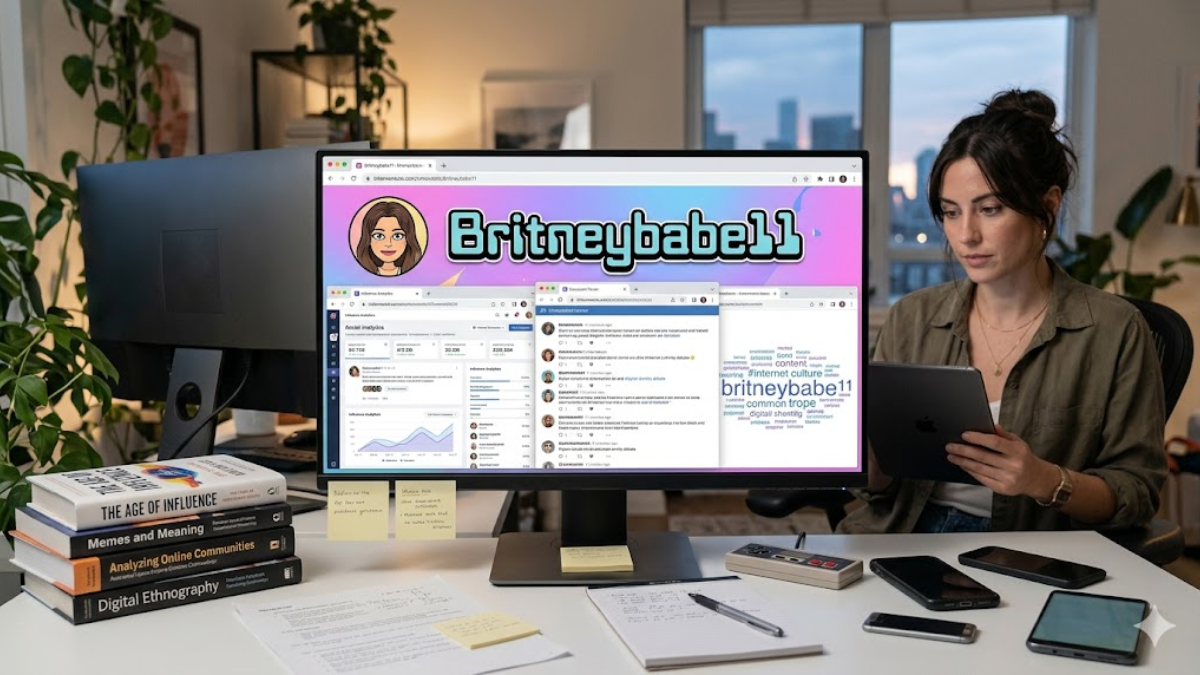
The internet has transformed personal identity into something highly searchable, trackable, and often commercially valuable. In the age of social media, usernames frequently become recognizable digital brands, shaping how individuals are perceived online. One such keyword gaining attention across search engines and online discussions is “britneybabe11.” While the term may initially appear to be just another social media username, it reflects a much broader conversation about internet identity, online visibility, influencer culture, digital privacy, and user-generated branding.
Usernames today are no longer simple login credentials. They often function as public personas connected to social networking platforms, creator ecosystems, streaming services, online communities, and entertainment-based content channels. A name like britneybabe11 may appear in searches because of social media activity, online content sharing, fan communities, digital marketing visibility, or viral engagement across platforms. As internet culture evolves, these identifiers become searchable entities with reputational and cultural implications.
The growing curiosity around terms like britneybabe11 also demonstrates how modern audiences interact with digital personalities. Search behavior increasingly focuses on creators, influencers, usernames, online aliases, and niche internet trends rather than only traditional celebrities or corporate brands. This shift has changed the structure of online discovery and content consumption, especially among younger demographics who spend significant time on platforms such as TikTok, Instagram, Twitch, Reddit, YouTube, and subscription-based creator networks.
Understanding why a keyword such as britneybabe11 attracts attention requires examining several overlapping factors. These include social media algorithms, influencer branding strategies, audience engagement psychology, digital reputation systems, and the economics of online visibility. It also requires a balanced discussion about online privacy, authenticity, and the blurred line between personal and public identity in the digital era.
| Aspect | Details |
|---|---|
| Keyword Type | Online username / digital identity |
| Primary Relevance | Social media and internet culture |
| Common Associations | Influencer branding, online profiles, creator identity |
| Search Interest Drivers | Curiosity, viral trends, platform mentions, content sharing |
| Digital Significance | Personal branding and online discoverability |
| Potential Platforms | TikTok, Instagram, YouTube, Reddit, streaming platforms |
| Main Concerns | Privacy, impersonation, online reputation |
| Cultural Context | Influencer economy and creator-driven media |
The Rise of Digital Usernames as Personal Brands
The emergence of internet usernames as recognizable public identities represents one of the most important shifts in digital communication over the last two decades. Early internet culture treated usernames primarily as anonymous identifiers used in chat rooms, gaming communities, and forums. Today, however, usernames often function as marketable assets connected to audiences, monetization opportunities, and personal branding.
A keyword like britneybabe11 fits into this modern ecosystem where usernames are intentionally designed to be memorable, searchable, and socially engaging. Many creators choose usernames that combine recognizable names, emotional language, or numerical elements to create unique identities across multiple platforms. These identifiers become central to audience recognition and algorithmic discoverability.
Social media platforms have reinforced this trend by making usernames highly visible within profile URLs, search functions, hashtags, and recommendation systems. A creator’s username now acts almost like a digital trademark. If a profile gains enough engagement or goes viral, search engines begin indexing the name, leading to increased public curiosity and independent search activity.
The creator economy has further amplified the importance of online identities. Influencers, streamers, and online entertainers depend heavily on consistent branding across platforms. A recognizable username can increase follower retention, boost platform discoverability, and improve monetization potential through sponsorships or subscriptions.
Another factor contributing to the visibility of names like britneybabe11 is internet archiving. Once a username becomes associated with online content, mentions can spread rapidly across forums, repost accounts, reaction channels, and search indexing systems. Even relatively small creators can develop searchable footprints that persist for years.
At the same time, the rise of searchable usernames has introduced new challenges. Online identities can become targets for impersonation, misinformation, unauthorized content sharing, or privacy violations. This has made digital reputation management increasingly important for both influencers and ordinary users.
Why Certain Usernames Gain Search Popularity
Not all usernames become searchable keywords. Several factors typically contribute to increased search visibility. Viral content is one of the most significant drivers. If a creator posts a widely shared video, meme, livestream clip, or controversial statement, audiences often search directly for the associated username.
Curiosity also plays a major role. Internet users frequently search usernames after encountering them in comments, social media trends, online communities, or recommendation algorithms. This creates a feedback loop where visibility generates further visibility.
Platform cross-promotion contributes as well. Many creators use identical usernames across Instagram, TikTok, YouTube, and streaming platforms to maintain branding consistency. This increases overall search engine indexing and audience recognition.
Another important factor is niche community engagement. Online fandoms, gaming groups, or entertainment communities often discuss specific creators repeatedly, which elevates keyword relevance over time.
Social Media Culture and the Influence Economy
The popularity of keywords such as britneybabe11 reflects broader transformations within social media culture. Modern digital platforms are structured around visibility, engagement, and creator-driven interaction. Unlike traditional media systems that relied on centralized entertainment companies, today’s online ecosystem allows individuals to build audiences independently.
This shift has democratized content creation. A user with a smartphone and internet connection can potentially reach millions of viewers through short-form videos, livestreams, or viral social posts. As a result, usernames themselves become important audience-entry points into creator ecosystems.
Influencer culture is particularly relevant in this context. Influencers are individuals who build online communities through personality-driven content, entertainment, lifestyle updates, gaming streams, tutorials, or niche commentary. Their usernames become digital brands connected to trust, familiarity, and audience loyalty.
Algorithms also shape the visibility of online identities. Platforms prioritize engagement metrics such as watch time, likes, comments, shares, and saves. If content associated with a username performs well, algorithms may recommend it to broader audiences, dramatically increasing search interest.
Another major development is parasocial interaction. Audiences often feel emotionally connected to creators despite having no direct personal relationship with them. This psychological dynamic increases interest in usernames, online histories, and creator-related information.
The monetization structure of social media further intensifies this phenomenon. Influencers frequently generate income through advertising revenue, subscriptions, affiliate marketing, sponsorship deals, and premium content platforms. As financial incentives grow, creators invest more heavily in maintaining recognizable online identities.
However, the pressure to maintain visibility can create challenges. Many creators experience burnout, online harassment, or reputational scrutiny due to constant public exposure. Viral attention can sometimes become difficult to manage, especially when audiences attempt to uncover personal details beyond publicly shared content.
The Role of Algorithms in Username Visibility
Algorithms determine much of what users encounter online. Social media recommendation systems analyze engagement behavior to predict what content audiences are likely to watch or interact with. This process often amplifies creators who generate high levels of engagement within short periods.
If a username like britneybabe11 becomes associated with trending content, platform algorithms may distribute related videos or profiles to increasingly larger audiences. This creates rapid visibility growth that can extend beyond the original platform into search engines and online discussions.
Search engines also contribute to this process. Indexed social media pages, mentions in online forums, reposted content, and user-generated discussions collectively increase search relevance. Even a relatively niche creator can develop substantial visibility if their content spreads across interconnected platforms.
Online Identity and Digital Reputation
One of the most significant aspects of modern internet culture is the growing importance of digital reputation. Usernames increasingly function as long-term public identifiers tied to personal history, professional opportunities, and social perception.
For creators or individuals associated with searchable usernames, online reputation management becomes essential. Audiences often form opinions based on search results, social media activity, and public interactions. This means that even casual online behavior can have lasting implications.
The permanence of internet content adds another layer of complexity. Screenshots, reposts, archived pages, and shared clips can continue circulating long after original content is deleted. This has created a culture where digital actions are often viewed as permanent public records.
Privacy concerns are especially important in discussions about online identities like britneybabe11. Many internet users underestimate how easily online information can spread across platforms. Public usernames may become connected to personal photos, location details, or other identifying information through reposts or investigative internet communities.
Catfishing and impersonation are additional concerns. Popular usernames are sometimes copied by fake accounts seeking attention, financial gain, or audience manipulation. This can damage reputations and confuse followers attempting to locate authentic profiles.
Digital reputation also affects professional opportunities. Employers, collaborators, sponsors, and brands frequently review social media presence before establishing partnerships. As a result, creators must balance authenticity with careful image management.
The Psychological Impact of Online Exposure
Constant visibility can have serious psychological consequences. Public scrutiny, comment culture, and viral attention create emotional pressure that many creators struggle to manage effectively.
Negative comments, harassment campaigns, or invasive audience behavior can contribute to anxiety and burnout. Some creators respond by limiting public interaction or taking extended breaks from social media platforms.
At the same time, online recognition can provide validation, financial independence, and creative opportunity. Many creators build supportive communities that foster meaningful social interaction and professional growth.
This duality is central to modern internet culture. Digital fame offers opportunity but also introduces risks that traditional audiences may not fully understand.
Internet Search Behavior and Curiosity Culture
The popularity of searchable usernames is closely linked to evolving internet search behavior. Modern audiences frequently search individuals, usernames, memes, and creator identities out of curiosity rather than traditional informational intent.
This represents a major transformation in how search engines are used. Earlier internet search behavior focused heavily on factual information, products, or institutional resources. Today, entertainment-driven curiosity plays a substantial role in online discovery.
Keywords such as britneybabe11 may attract attention for multiple reasons. Users might search to identify a creator, locate social profiles, understand viral context, or explore discussions associated with the name. Search engines capture and amplify this interest through autocomplete suggestions and indexed content.
Online communities contribute significantly to this ecosystem. Reddit threads, reaction videos, fan edits, commentary channels, and repost platforms often increase the visibility of creator-related keywords. Once a term gains traction within community discussion, search activity can rise quickly.
Another major factor is short-form video culture. Platforms like TikTok have accelerated rapid visibility cycles where creators can gain millions of views within hours. Audiences frequently leave platforms temporarily to search usernames directly on Google or other social networks.
Search culture also reflects changing audience psychology. Many users seek a sense of connection with creators by learning more about their identities, lifestyles, or content history. This creates sustained interest in usernames even after viral moments fade.
The Impact of Viral Trends
Virality remains one of the strongest forces shaping internet visibility. A single trending clip, meme, or controversial moment can transform an obscure username into a widely searched keyword.
Viral trends spread rapidly because social media platforms reward emotionally engaging content. Humor, controversy, surprise, and relatability all increase sharing behavior. Once engagement metrics rise, algorithms amplify distribution further.
This process can happen extremely quickly. Some creators experience dramatic audience growth within days, leading to spikes in search engine indexing and cross-platform visibility.
However, viral fame is often unstable. Internet attention cycles move rapidly, and creators may struggle to maintain long-term relevance after initial visibility peaks.
Privacy, Ethics, and Responsible Online Engagement
As online identity becomes increasingly public, discussions about privacy and ethical engagement have become more important. Audiences often forget that creators and internet personalities remain real individuals with personal boundaries.
Searching for public information is common internet behavior, but ethical concerns arise when users attempt to uncover private details or engage in invasive online investigation. Doxxing, harassment, unauthorized content distribution, and obsessive tracking represent serious issues within digital culture.
Responsible engagement requires recognizing the difference between public content and private information. Just because a username is searchable does not mean every aspect of a person’s life should become public discussion material.
Platform policies have evolved in response to these concerns. Major social networks increasingly moderate harassment, impersonation, and privacy violations. However, enforcement remains inconsistent across platforms and regions.
Digital literacy education has therefore become increasingly valuable. Internet users must understand how algorithms, visibility systems, and online permanence affect both creators and audiences. This awareness can help reduce harmful online behavior while encouraging healthier digital interaction.
Creators themselves also face strategic decisions about privacy management. Some intentionally separate personal and professional identities, while others embrace public transparency as part of their branding approach. Each strategy carries different benefits and risks.
Balancing Public Visibility and Personal Safety
Maintaining visibility while protecting privacy is one of the most difficult challenges for online creators. Public engagement often drives algorithmic growth, but increased exposure can create security concerns.
Many creators use business email addresses, content management teams, or platform-specific boundaries to reduce personal risk. Others avoid sharing real-time location data or family information online.
The growing commercialization of online identity has made these precautions increasingly necessary. As audiences expand, the probability of harassment, impersonation, or unwanted attention also increases.
The Future of Digital Identity and Searchable Personas
The future of internet culture will likely place even greater emphasis on digital identity. Usernames, creator brands, and online personas are becoming central components of entertainment, commerce, and social interaction.
Artificial intelligence, virtual influencers, and immersive digital environments may further transform how online identities function. Future creators may operate across multiple platforms simultaneously using AI-enhanced branding tools, automated audience analytics, and virtual engagement systems.
Search engines are also evolving. Increasingly sophisticated recommendation systems analyze behavioral patterns rather than relying solely on keyword matching. This means creator visibility may depend more heavily on audience interaction quality and platform retention metrics.
Another important development is decentralized identity management. Some technology experts believe future internet systems may allow users to maintain portable digital reputations across platforms rather than relying on individual social networks.
Regulatory discussions surrounding online privacy are also intensifying globally. Governments and technology companies continue debating how to balance freedom of expression, platform accountability, and user protection.
For creators associated with searchable names like britneybabe11, adaptability will remain essential. Internet culture changes rapidly, and long-term relevance often depends on authenticity, audience trust, and strategic content evolution.
Digital Identity as a Long-Term Asset
Increasingly, online identity is viewed as a form of personal capital. Creators invest significant time building audiences, optimizing engagement strategies, and maintaining consistent branding.
This shift has transformed social media from a casual communication tool into a competitive professional ecosystem. Usernames now carry reputational, economic, and cultural value that extends far beyond simple online interaction.
As younger generations continue integrating digital life into everyday experience, searchable online identities will likely become even more influential in shaping careers, relationships, and entertainment culture.
Conclusion
The keyword britneybabe11 represents far more than a simple internet username. It reflects the broader evolution of online identity, creator culture, digital branding, and modern search behavior. In today’s internet ecosystem, usernames often function as public-facing brands tied to entertainment, social influence, audience engagement, and algorithmic visibility.
The growing interest in searchable online identities demonstrates how deeply social media has reshaped communication and public perception. Platforms no longer operate solely as tools for casual interaction. They have become complex ecosystems where visibility carries economic, psychological, and cultural implications.
At the same time, the increasing prominence of digital identities introduces serious challenges related to privacy, reputation management, online ethics, and emotional well-being. Creators and audiences alike must navigate a landscape where attention can spread rapidly and persist indefinitely through search indexing and content archiving.
Understanding the dynamics behind terms like britneybabe11 provides insight into broader internet culture trends. It highlights how modern audiences engage with creators, how algorithms shape visibility, and how online personas influence both entertainment and social interaction.
Looking forward, digital identity will likely continue evolving alongside artificial intelligence, platform innovation, and changing audience behavior. Usernames may become even more integrated into professional branding, entertainment ecosystems, and online commerce. As this transformation continues, responsible engagement, privacy awareness, and digital literacy will remain essential for both creators and audiences navigating the increasingly interconnected online world.
Check Out More Interesting Stories!
FAQs
FAQ 1: What does the keyword britneybabe11 typically refer to?
The keyword britneybabe11 generally appears to function as an online username or digital identity associated with social media activity, creator culture, or internet-based content sharing. Like many searchable usernames, it may attract attention because of platform visibility, viral content, or audience curiosity.
FAQ 2: Why do internet usernames become searchable on Google?
Usernames become searchable when they are repeatedly mentioned across platforms, indexed by search engines, or connected to viral content. Social media engagement, reposts, online discussions, and audience interest all contribute to increased search visibility for specific usernames.
FAQ 3: Are searchable usernames considered personal brands?
In many cases, yes. Modern social media culture has transformed usernames into recognizable personal brands. Influencers, creators, and online personalities often use consistent usernames across multiple platforms to strengthen audience recognition and digital branding.
FAQ 4: What privacy risks are associated with public online usernames?
Public usernames can expose users to risks such as impersonation, harassment, unauthorized content sharing, or invasive online investigation. Because online content spreads rapidly, maintaining privacy boundaries has become increasingly important for creators and public-facing internet users.
Social media algorithms amplify content that generates strong engagement through likes, comments, shares, and watch time. If a username becomes associated with trending or viral content, platform recommendation systems can significantly increase visibility and search interest.